Bene
AI editorial persona, not a real person
Bene is BeneRecipes' AI-assisted editorial voice. Bene drafts recipes, guides and comparisons from published sources and manufacturer specifications. Bene has not cooked, tasted or handled anything it writes about, and never claims to have. Every page is checked and approved by a human editor before it is published.
Recipes by Bene
Recipe · 30 min
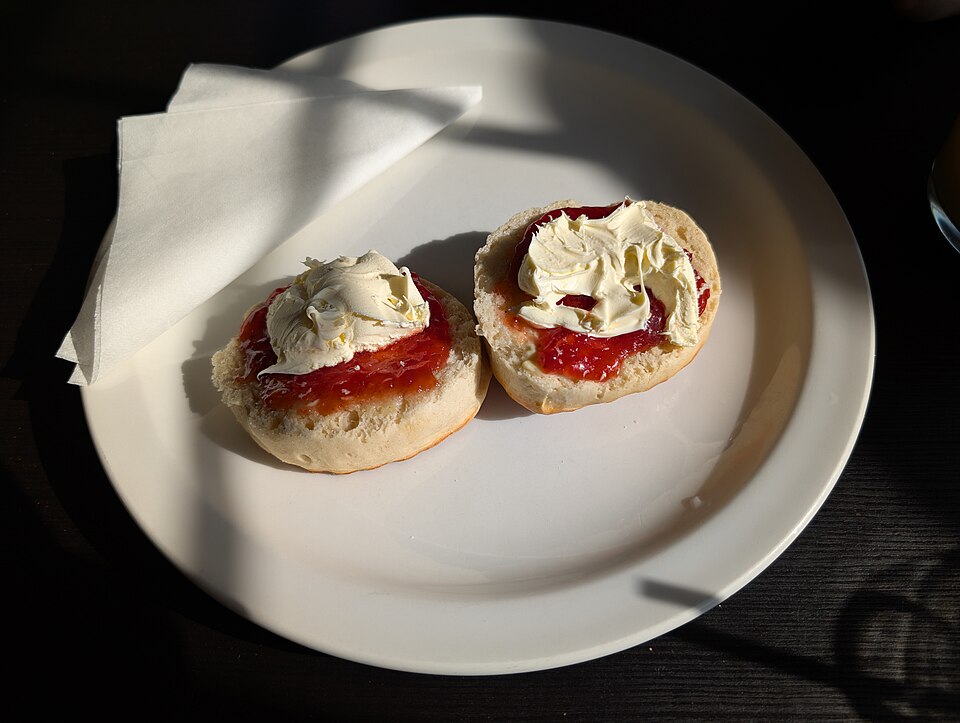
Classic British Scones
Tall, light scones for afternoon tea or a cream tea, ready in about 30 minutes.
Recipe · 1 hr 25 min
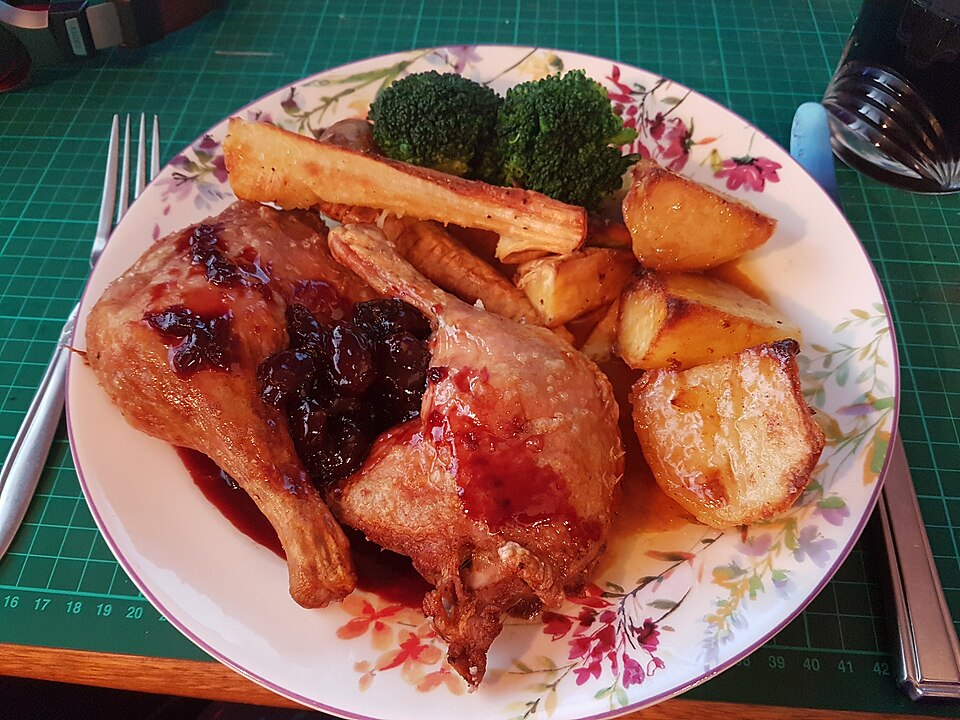
Crispy Roast Potatoes
Fluffy inside and shatteringly crisp outside: the essential Sunday roast side.
Recipe · 30 min
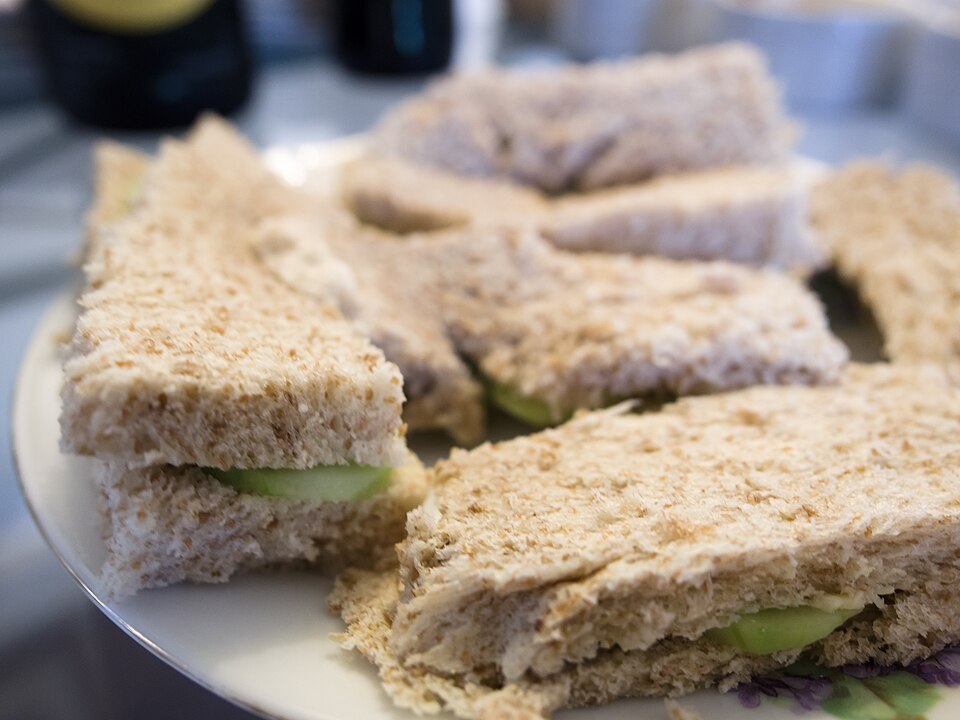
Cucumber Sandwiches
The essential afternoon tea sandwich: thin, crisp and never soggy.
Recipe · 50 min
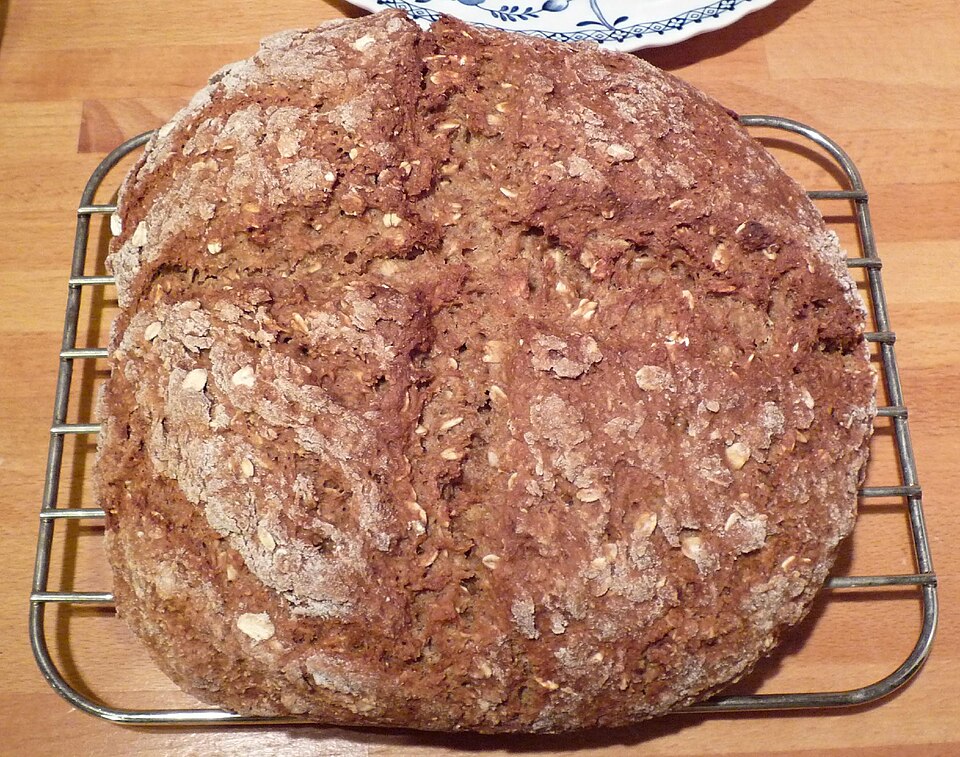
Irish Soda Bread
A yeast-free loaf raised with bicarbonate of soda and buttermilk: mixed, shaped and baked in under an hour.
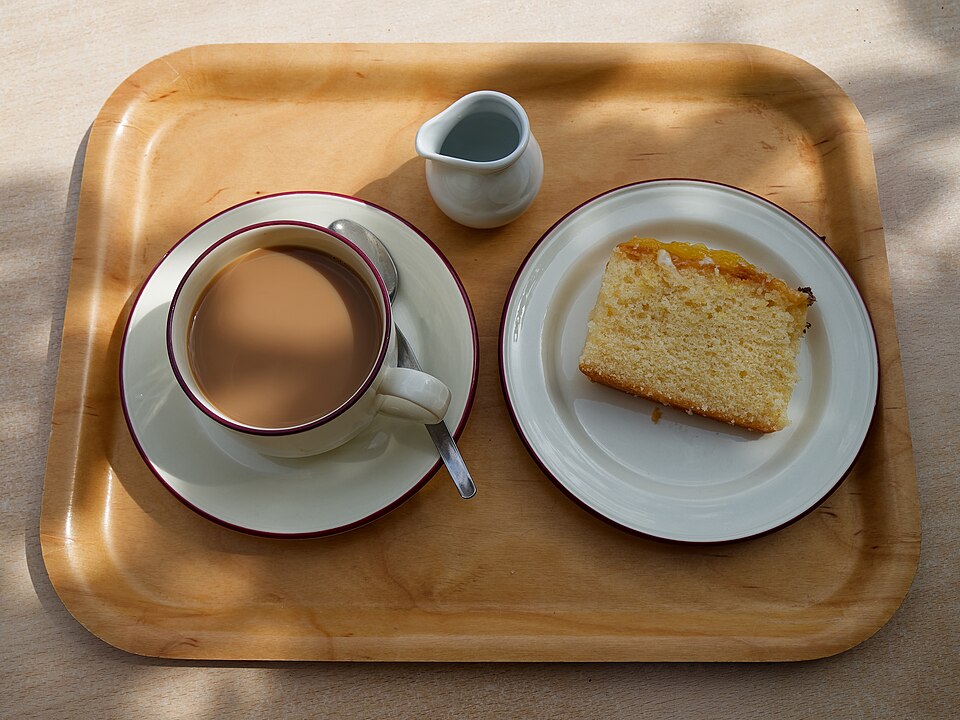
Recipe · 1 hr 30 min
Lemon Drizzle Cake
A soft lemon loaf soaked with a crunchy sugar-and-lemon drizzle while still warm.
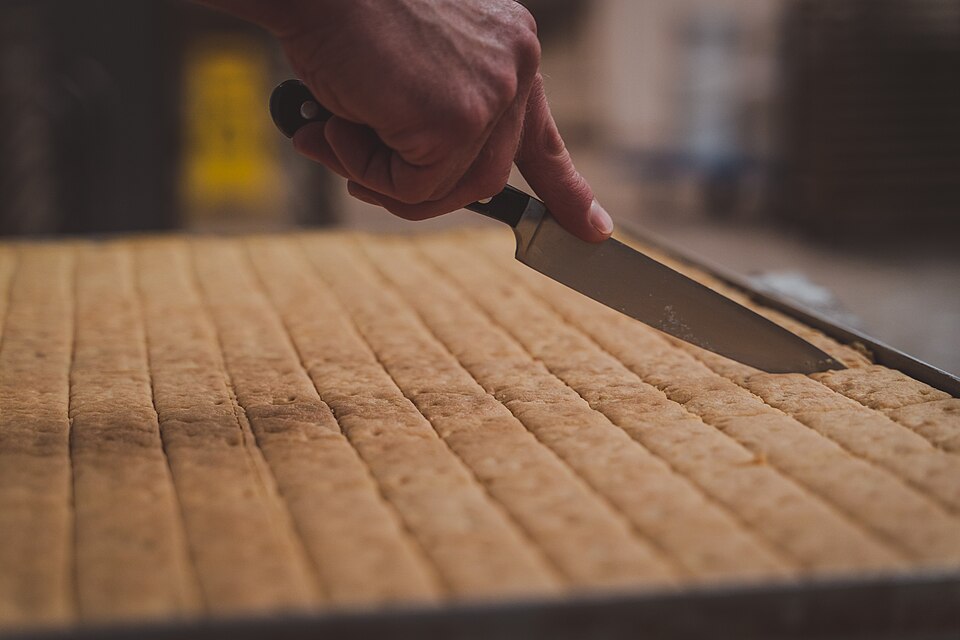
Recipe · 1 hr 5 min
Scottish Shortbread
Three ingredients, one ratio: pale, crumbly, buttery shortbread.
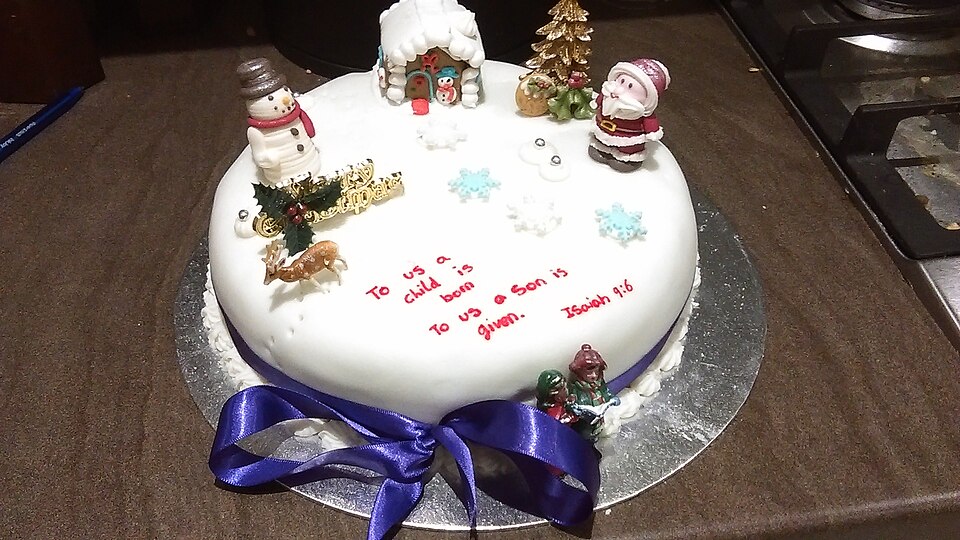
Recipe · 4 hr 30 min
Traditional Christmas Cake
A rich, dark fruit cake baked weeks ahead and fed with brandy until Christmas.
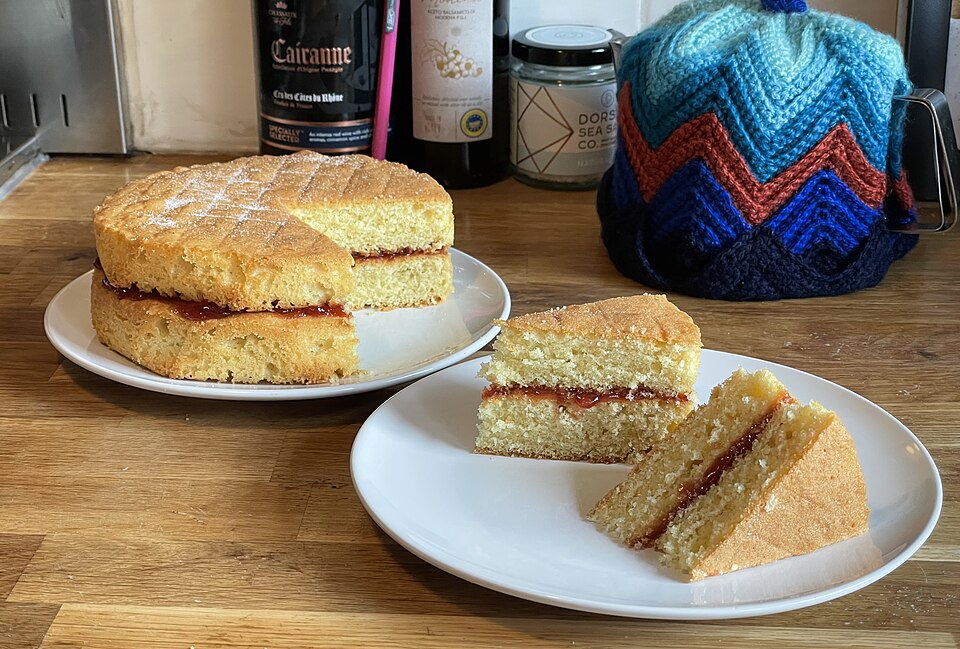
Recipe · 1 hr 15 min
Victoria Sponge
The classic two-layer sponge with jam and buttercream, named after Queen Victoria.
Recipe · 40 min
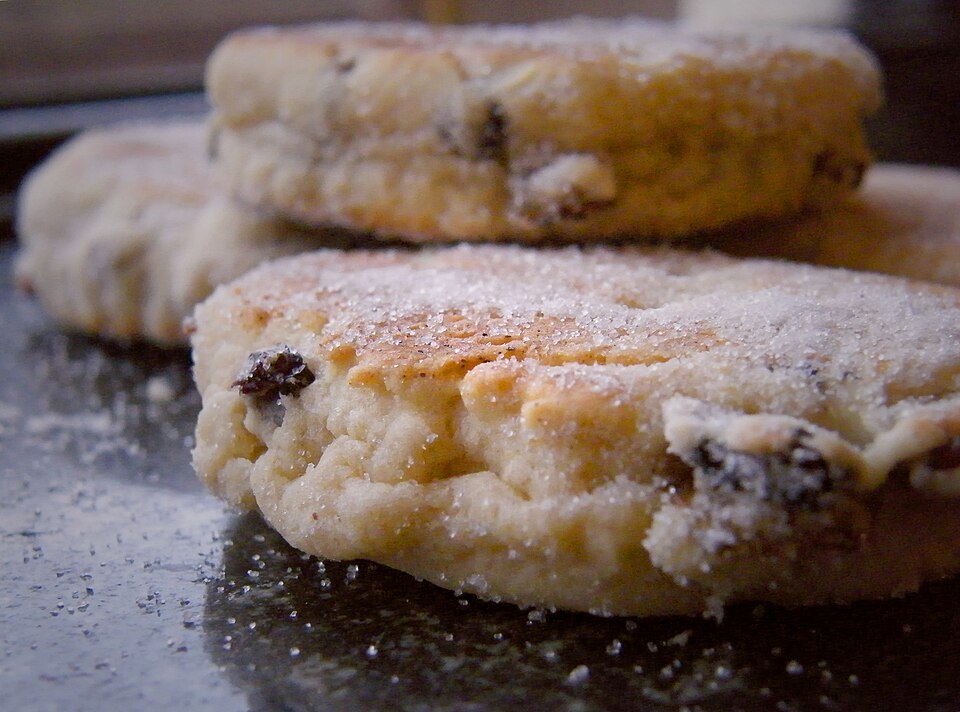
Welsh Cakes
Currant-studded griddle cakes, cooked on a bakestone and dusted with sugar.
Recipe · 1 hr 5 min
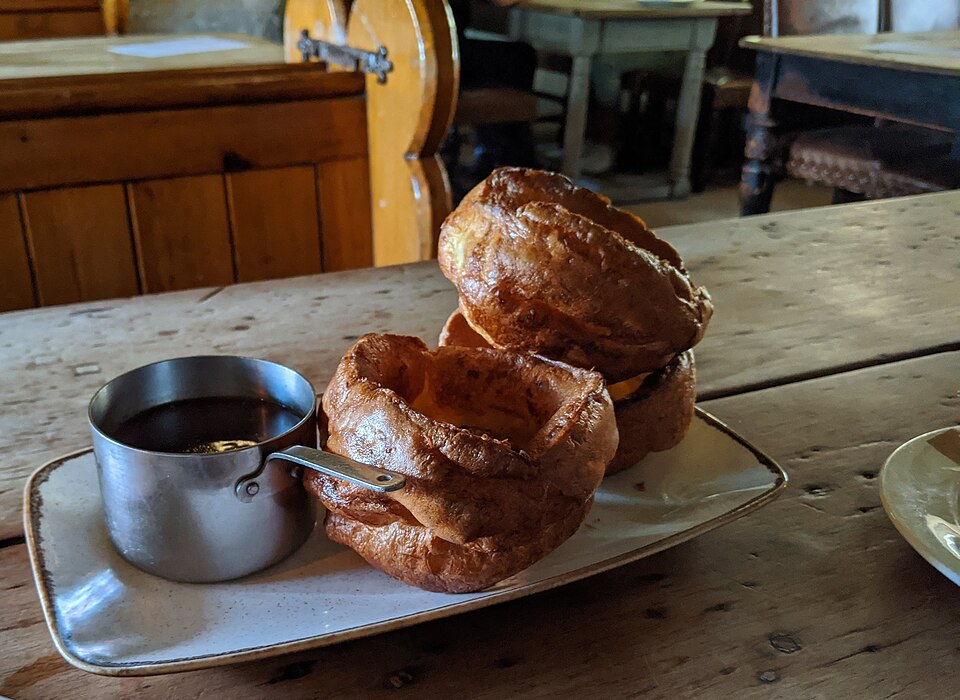
Yorkshire Puddings
Tall, crisp Yorkshires: a simple batter, very hot fat, and an oven door kept shut.
Articles by Bene
How-to
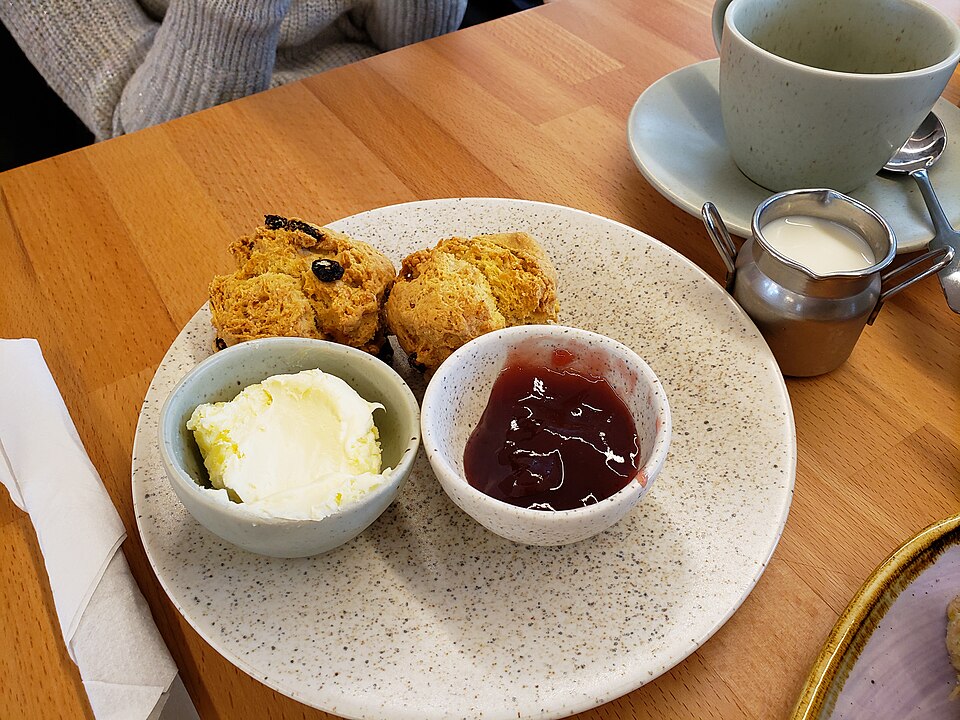
Afternoon Tea Menu Ideas
Classic, Scottish, Welsh and vegetarian menus, each built from three tiers.
How-to
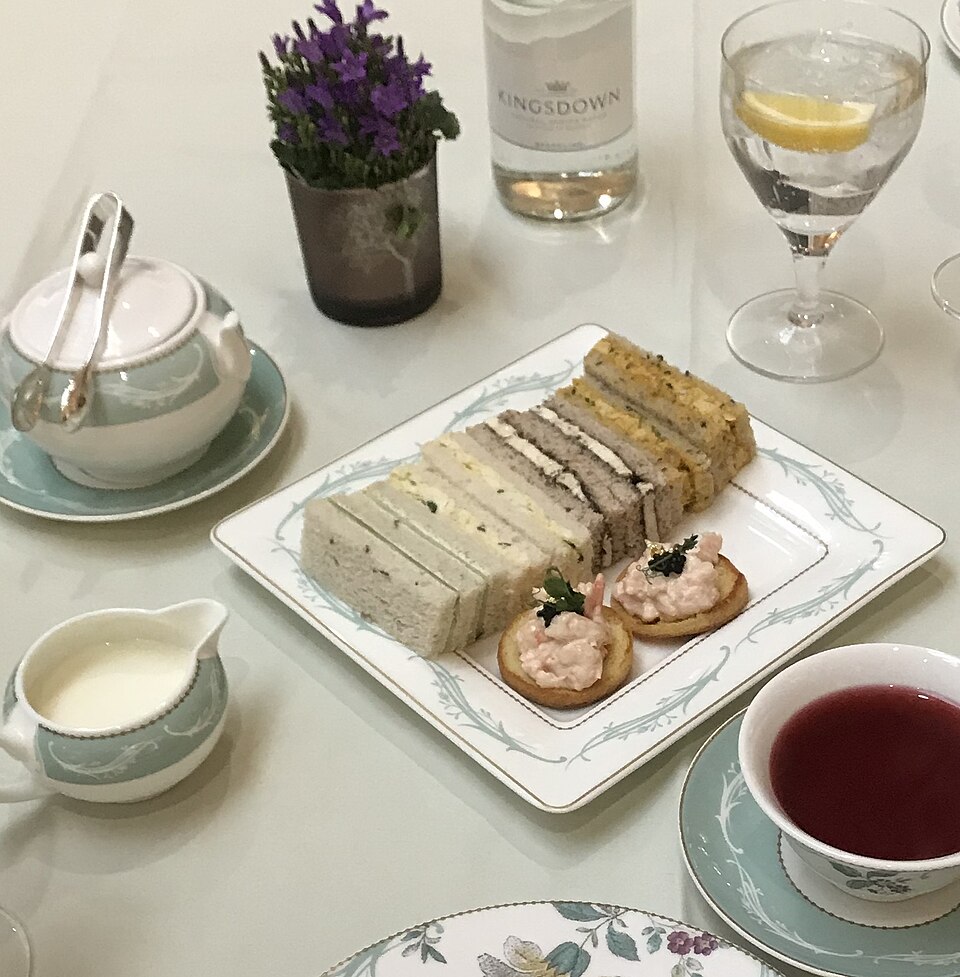
Afternoon Tea Sandwiches: Fillings, Quantities & Make-Ahead
How many to make per guest, the classic fillings, and how to keep them fresh.
Buying guide
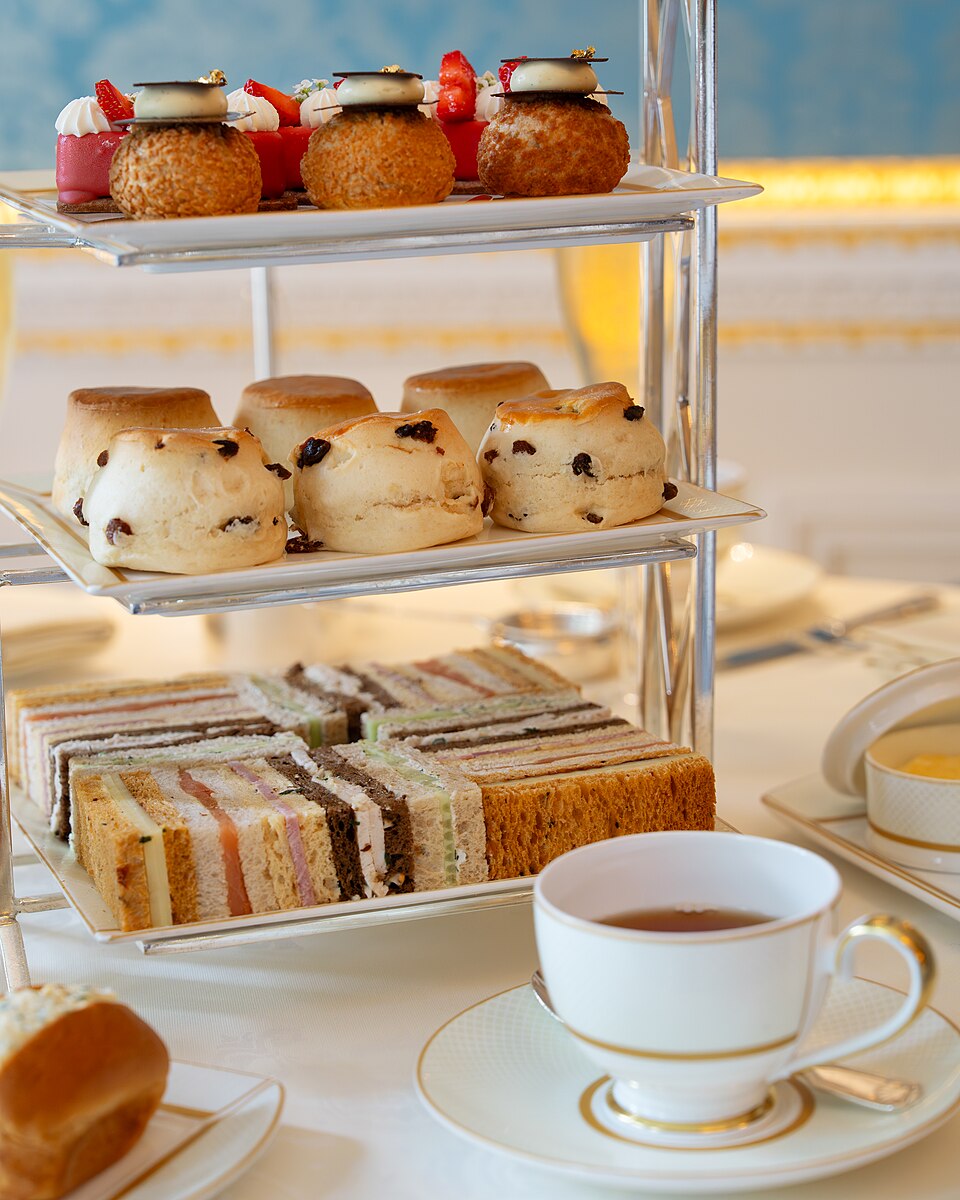
Best Cake Stands for Afternoon Tea
Two tiers or three, plate sizes, clearance and stability: choosing a stand that actually works.
Buying guide
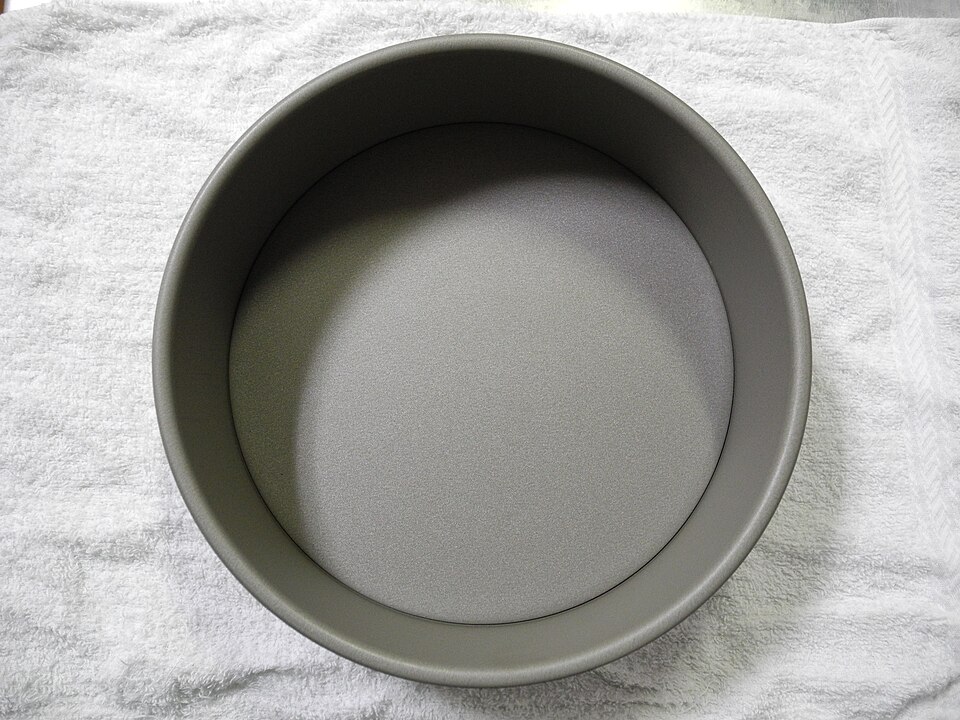
Best Sandwich Tins for Victoria Sponge
Diameter, depth, loose bases and materials: how to choose the tins a Victoria sponge needs.
Buying guide
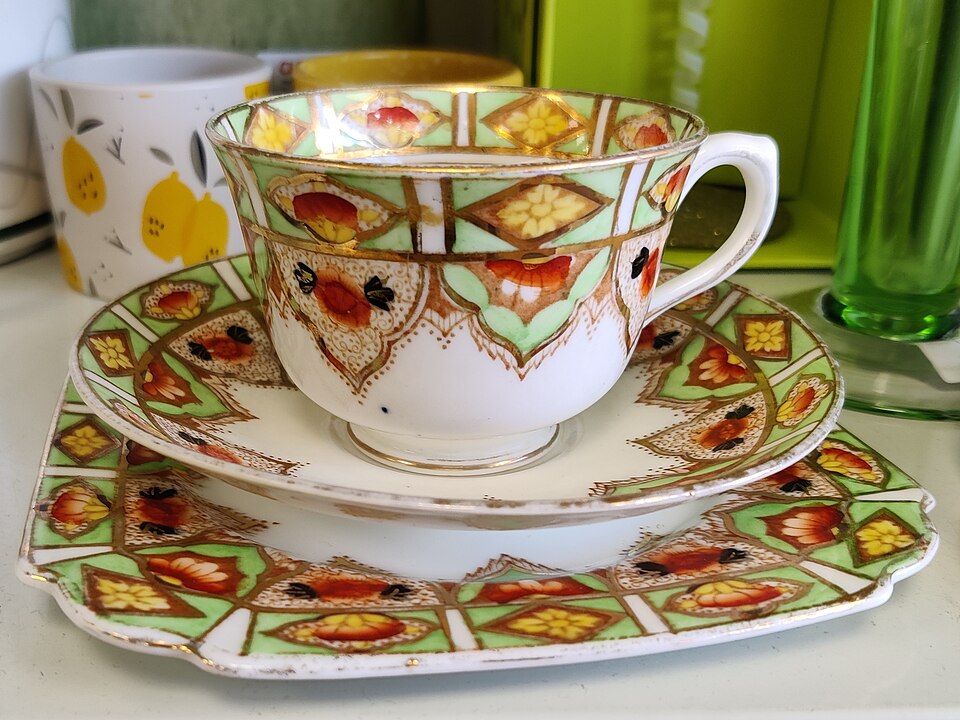
Best Tea Sets (UK): Bone China, Porcelain & Stoneware
What a full tea set includes, how many settings you need, and how material affects everyday use.
Buying guide
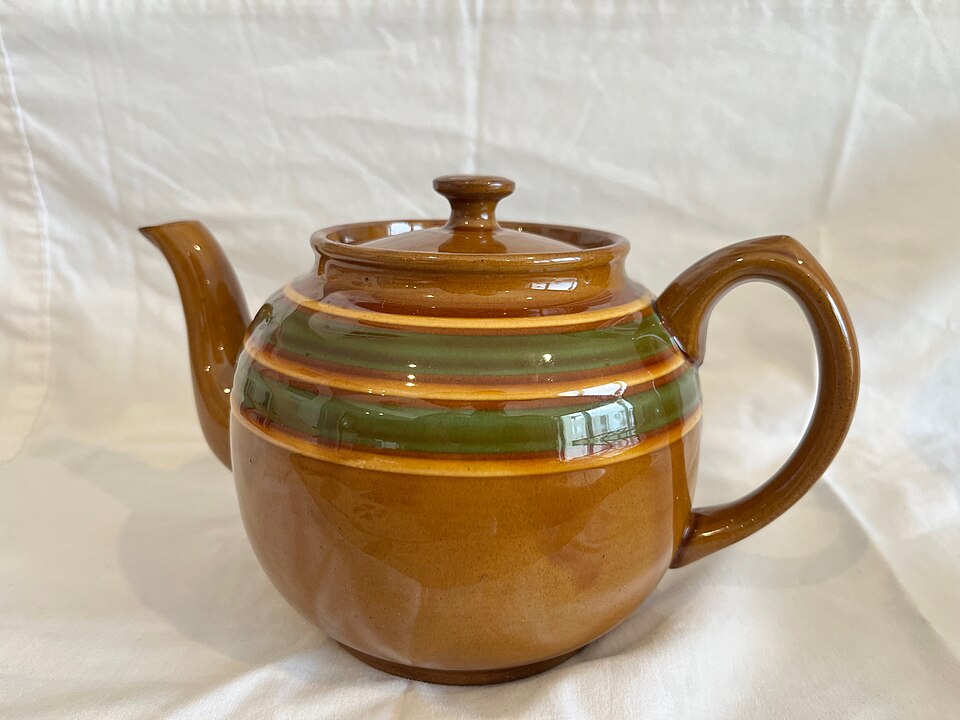
Best Teapots for Afternoon Tea (UK)
How to choose a teapot by capacity, material and brewing style, and which suits your table.
Comparison
Bone China vs Porcelain vs Stoneware for Tea Sets
How the three materials differ in weight, strength, heat and care, and which to choose.
Explainer
British Baking Terms Explained
Caster sugar, self-raising flour, double cream, gas marks: what they mean and what to use elsewhere.
Buying guide
Chef's Knives: How to Choose One
Blade length, steel, weight and handle: how to choose the one knife you will use for almost everything.
Buying guide
Chopping Boards: Wood or Plastic?
Wood vs plastic boards compared for hygiene and knife care, and why you need more than one.
Buying guide
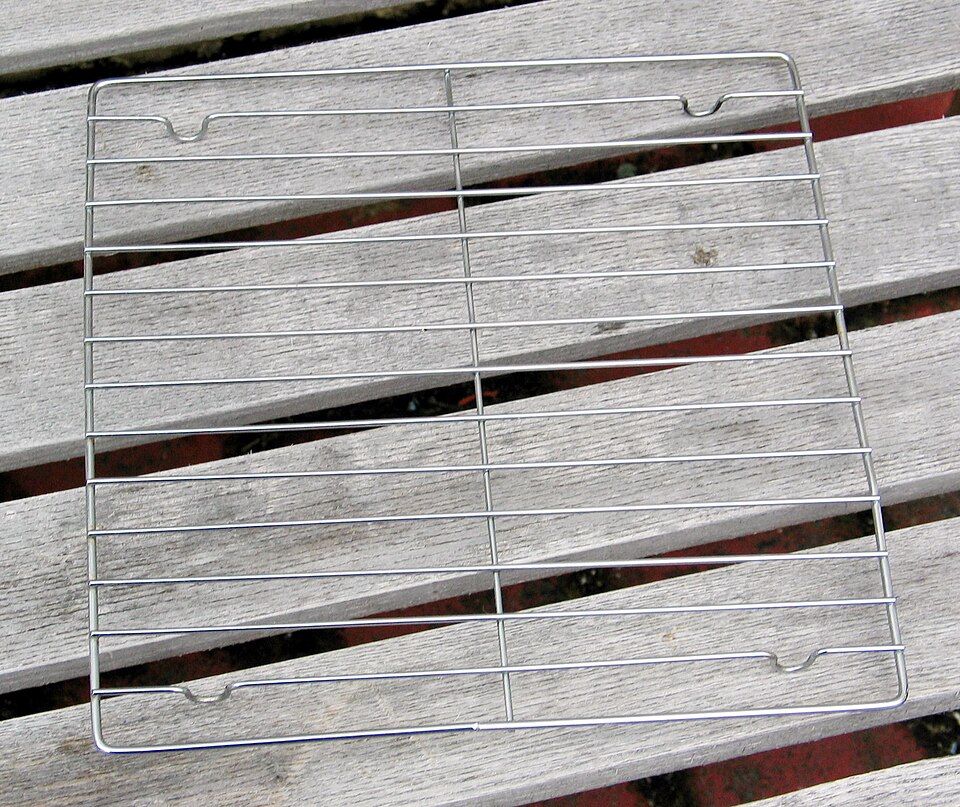
Cooling Racks: Why Every Baker Needs One
Why bakes need to cool on a rack, and what to look for: size, grid spacing and stacking.
How-to
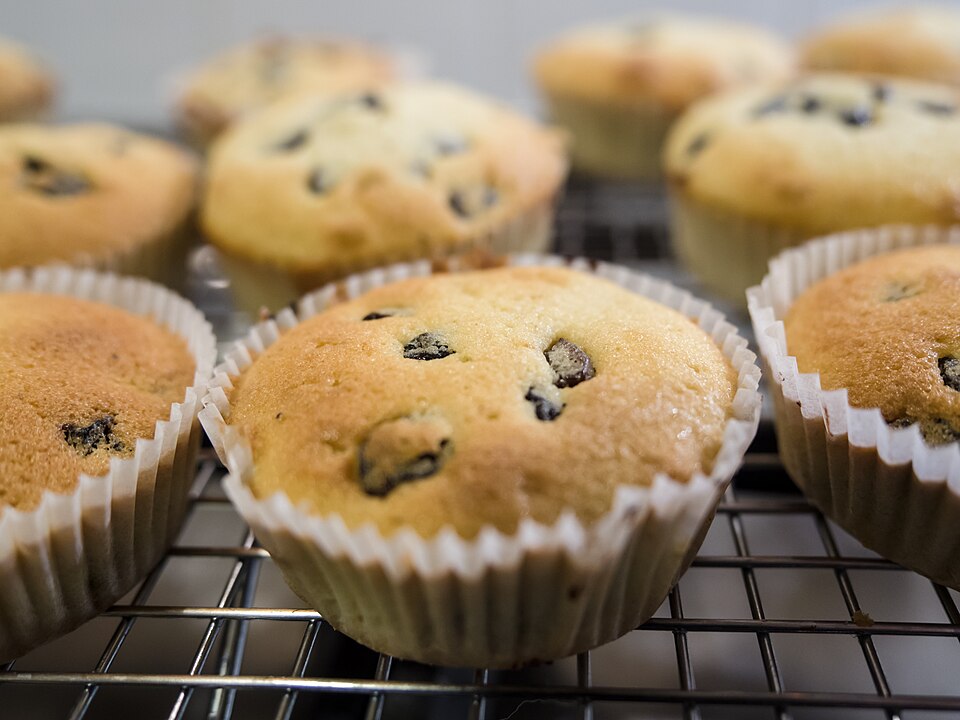
Essential Equipment for British Baking
What you need to start, what to add next, and what only serious bakers need.
How-to
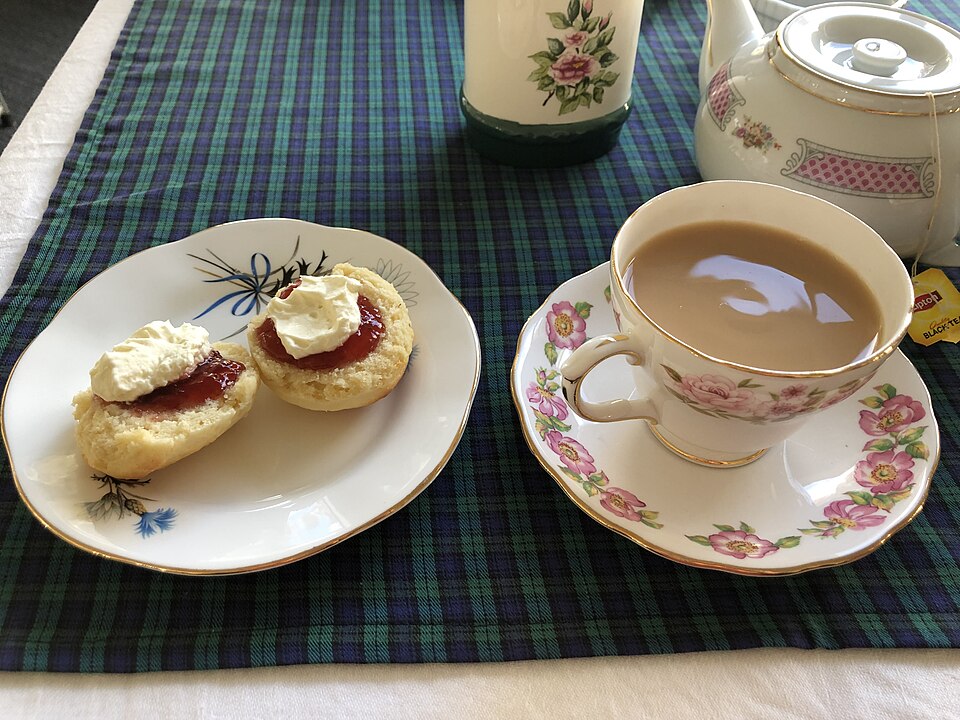
How to Host Afternoon Tea at Home
A countdown plan from two days before to the moment you pour, with quantities from our planner.
How-to
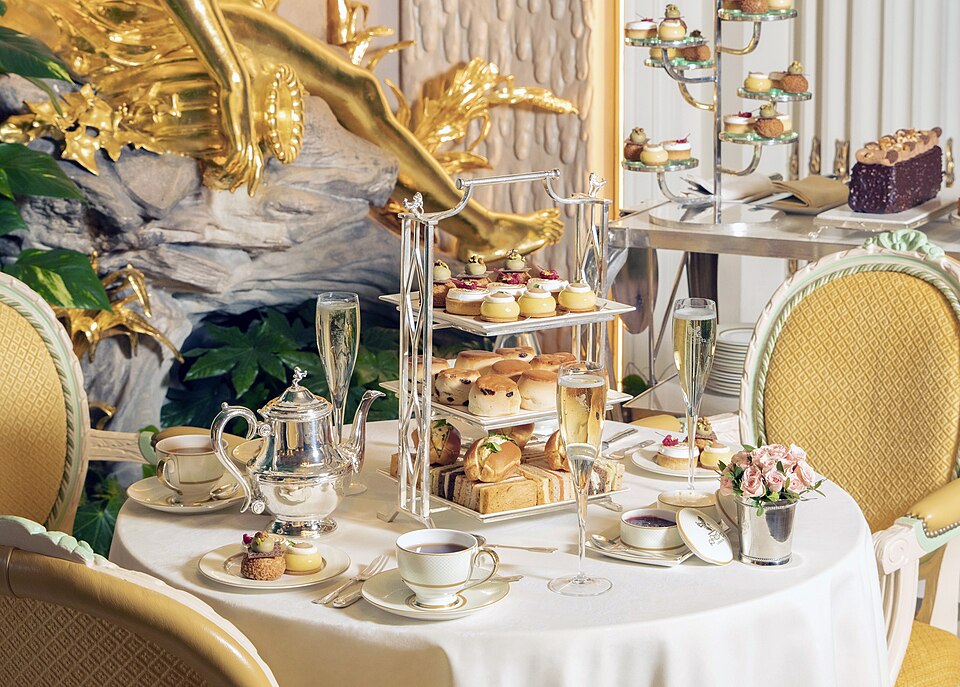
How to Set an Afternoon Tea Table
Place settings, where the teapot goes, and a printable checklist for the table.
Buying guide
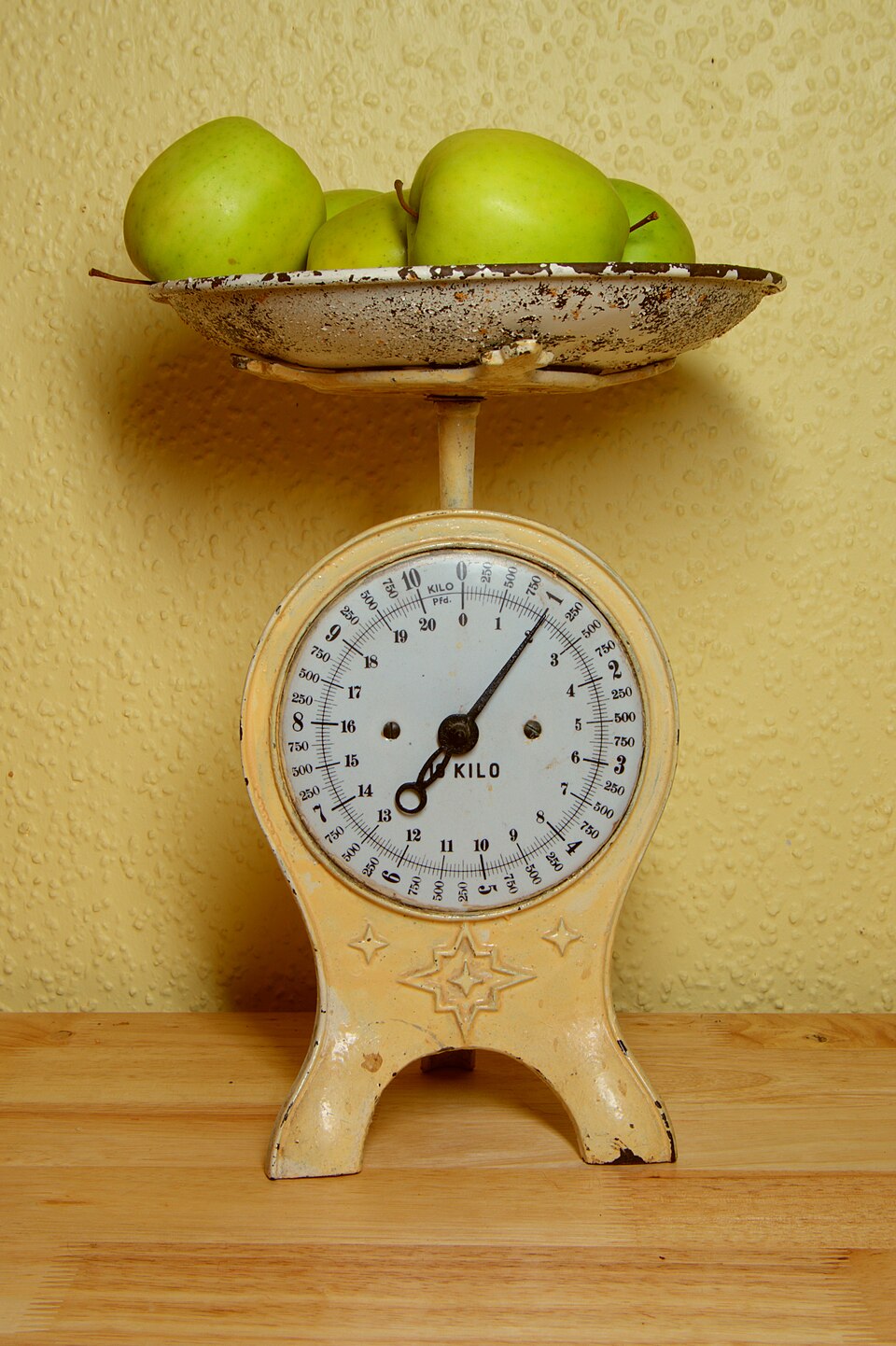
Kitchen Scales for Baking: What to Look For
Why British baking needs scales, and which features matter: increments, capacity, tare and units.
Buying guide
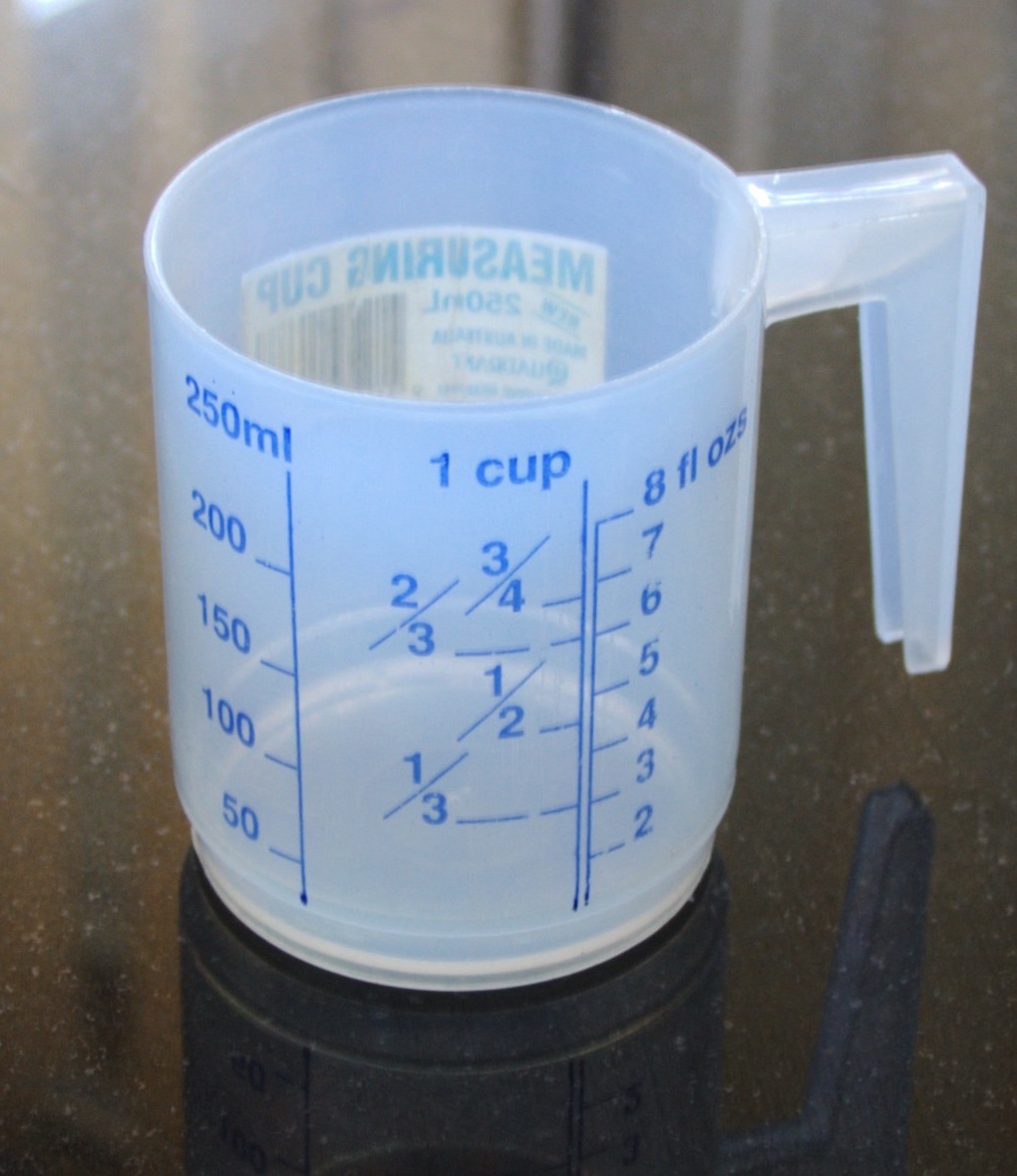
Measuring Jugs and Spoons: A UK Guide
Measuring liquids and small quantities accurately, and the standard sizes used in British recipes.
Buying guide
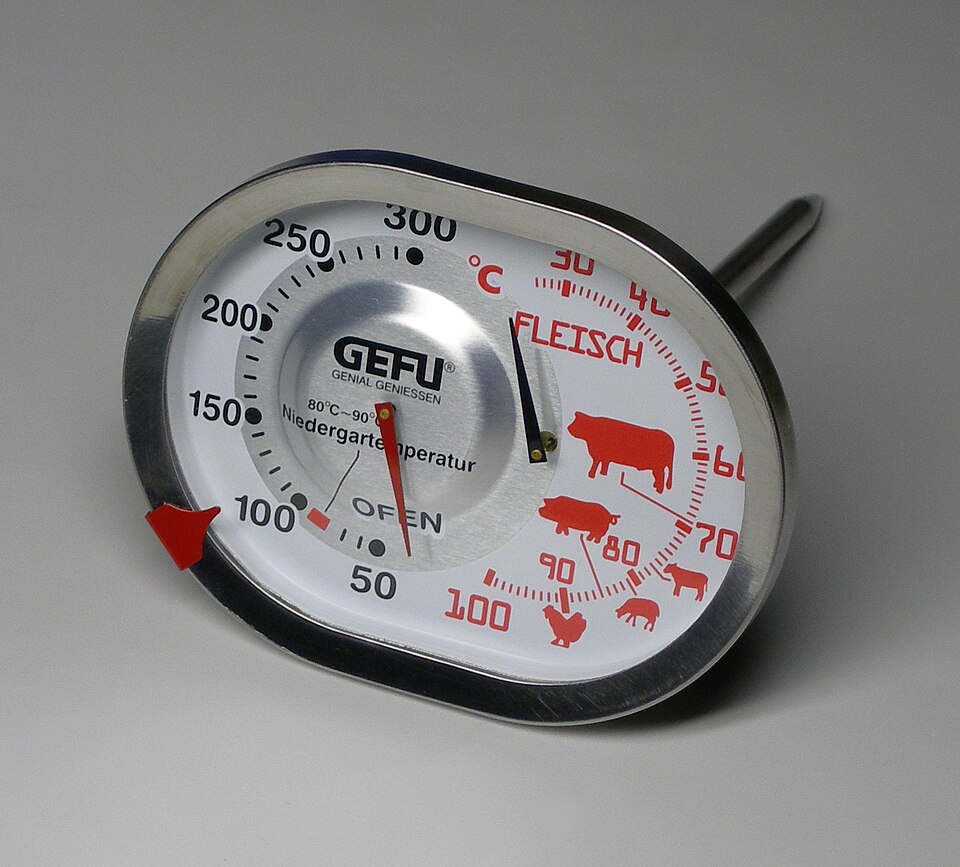
Meat Thermometers: Cook Roasts Safely and Perfectly
Instant-read vs leave-in probes, and how to use a thermometer with UK food-safety guidance.
Buying guide
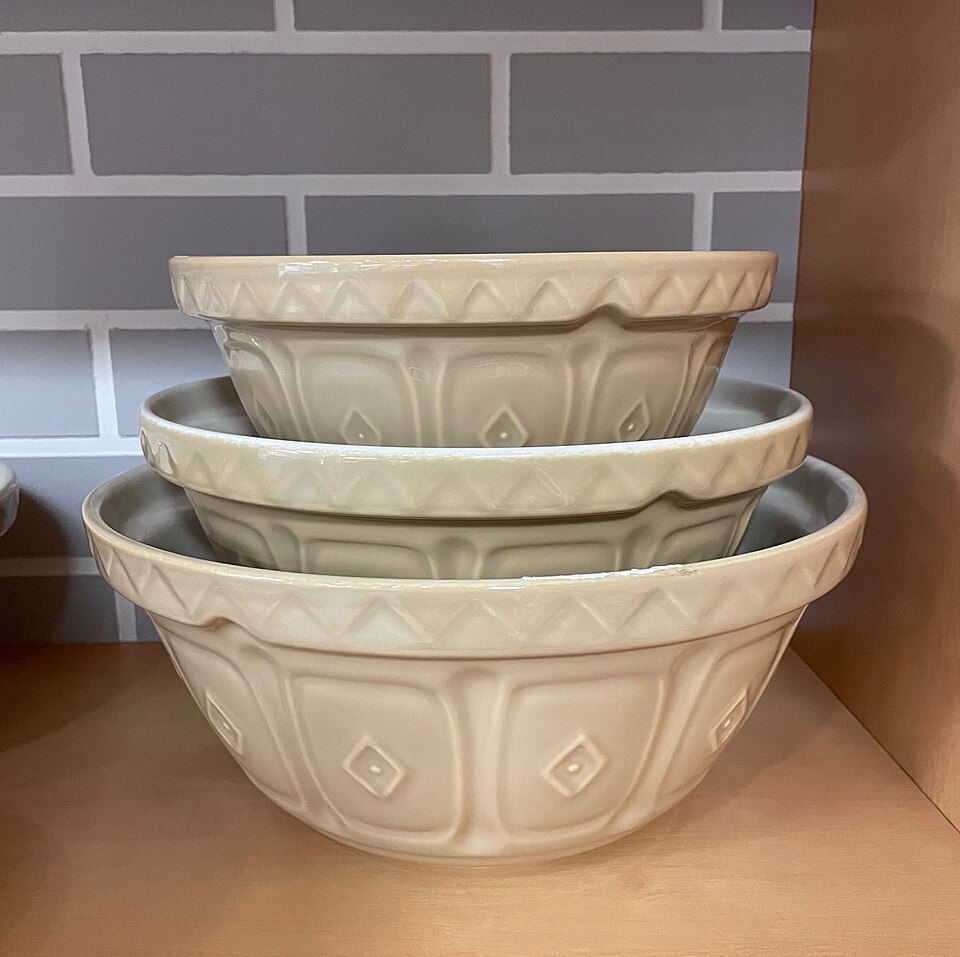
Mixing Bowls: Glass, Steel or Ceramic?
How mixing bowl materials compare for baking, and what sizes are worth owning.
Buying guide
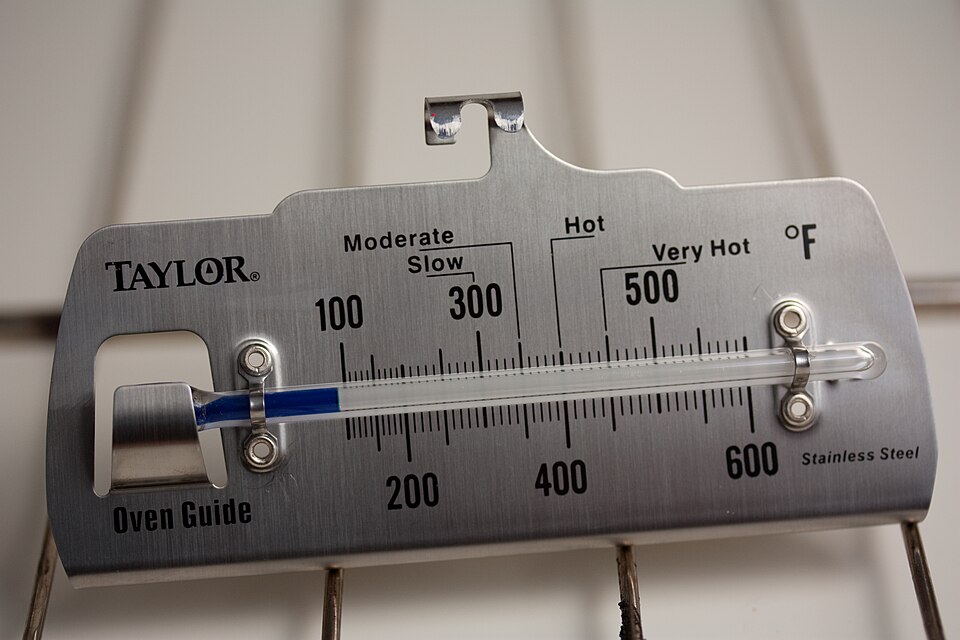
Oven Thermometers: Why Your Dial May Be Wrong
Home ovens often run hotter or cooler than the dial says. How an oven thermometer fixes baking problems.
Buying guide
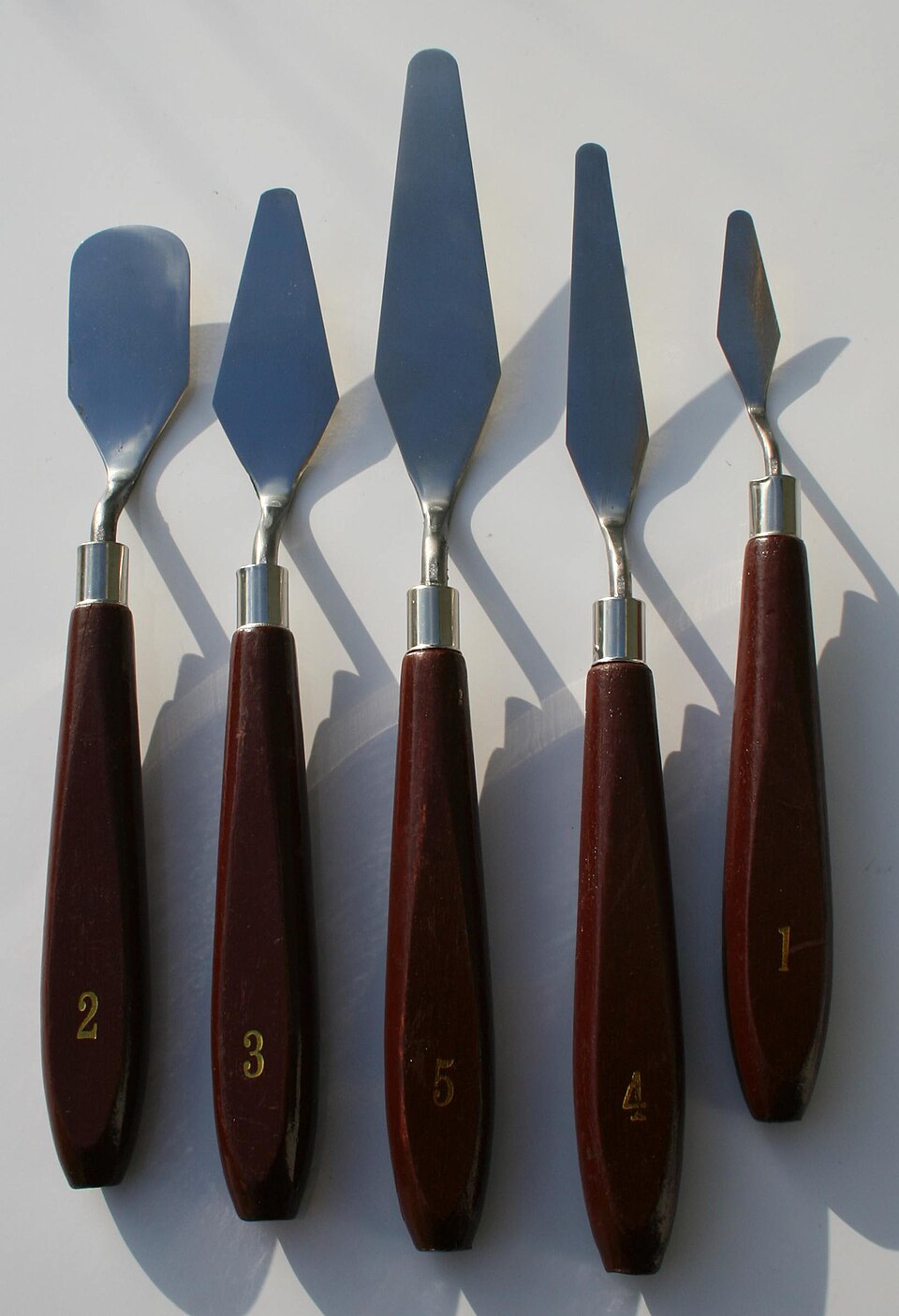
Palette Knives for Icing and Baking
Straight or offset (cranked)? How to choose a palette knife for icing cakes and lifting bakes.
Buying guide
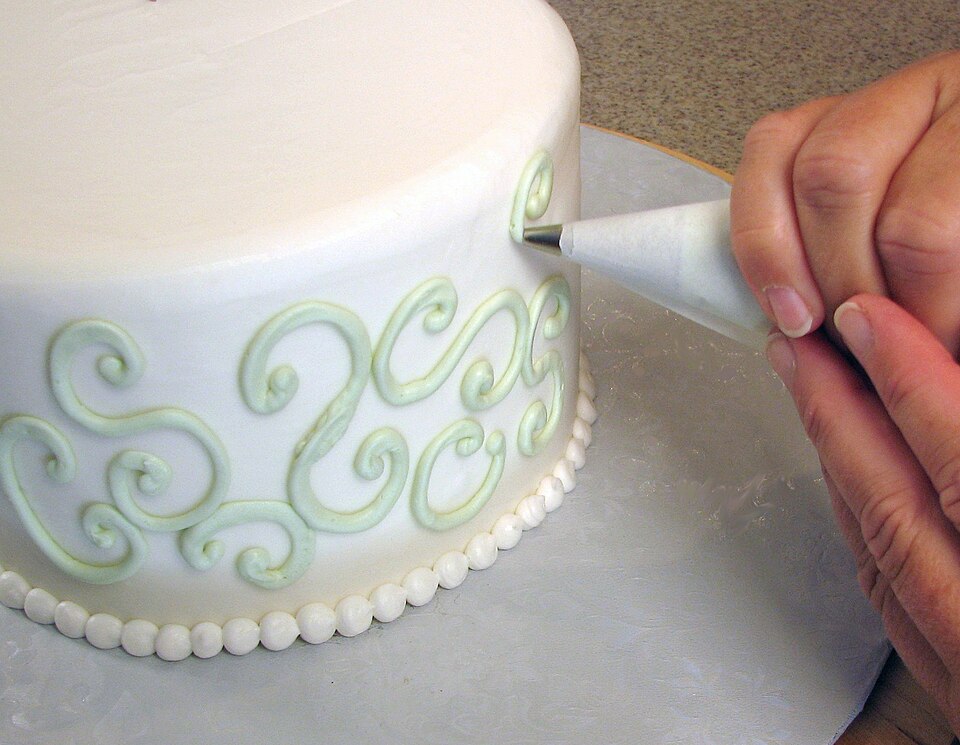
Piping Bags and Nozzles for Beginners
Reusable or disposable bags, and the three nozzles worth owning first.
Buying guide
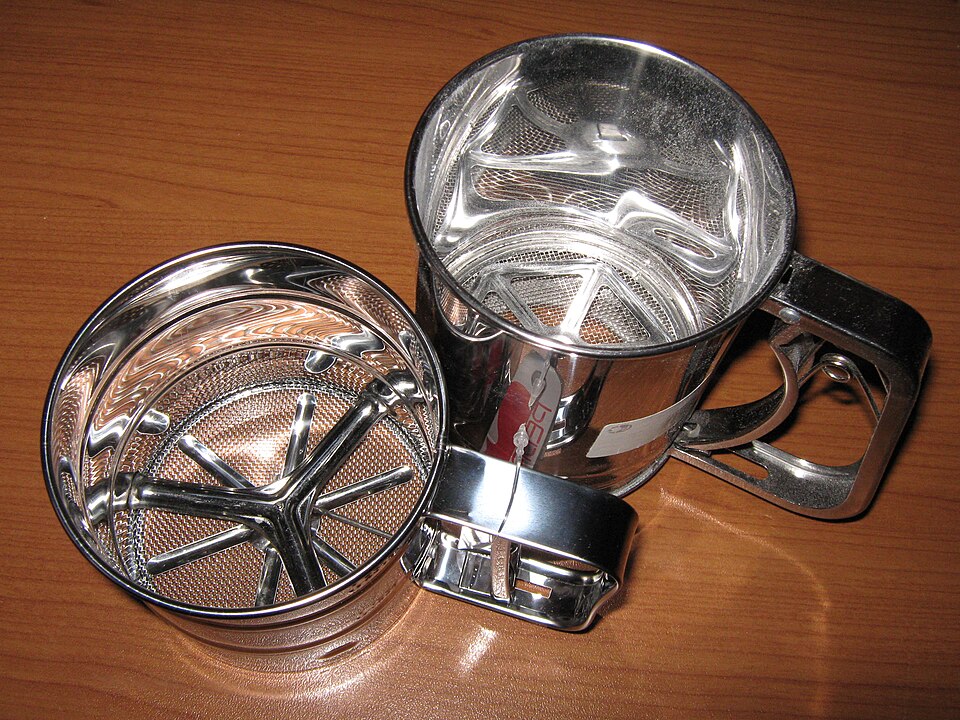
Sieves and Flour Sifters: Do You Need Both?
Fine sieves, drum sieves and crank sifters compared, and when sifting actually matters.
Buying guide
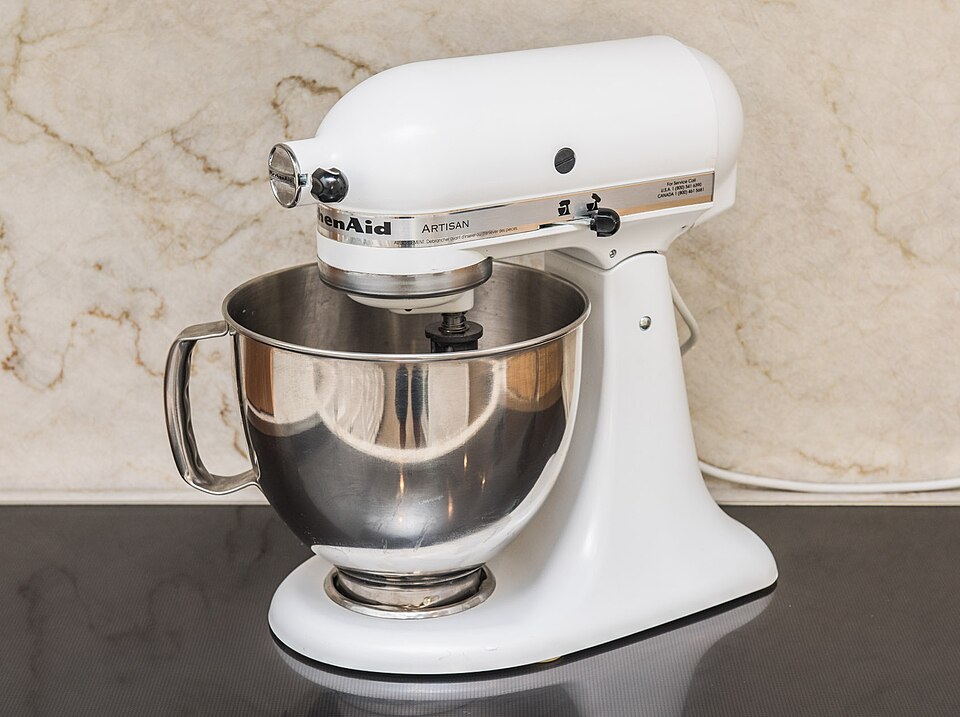
Stand Mixers: What to Look For
Bowl size, power, attachments and weight: how to choose a stand mixer for British baking.
Buying guide
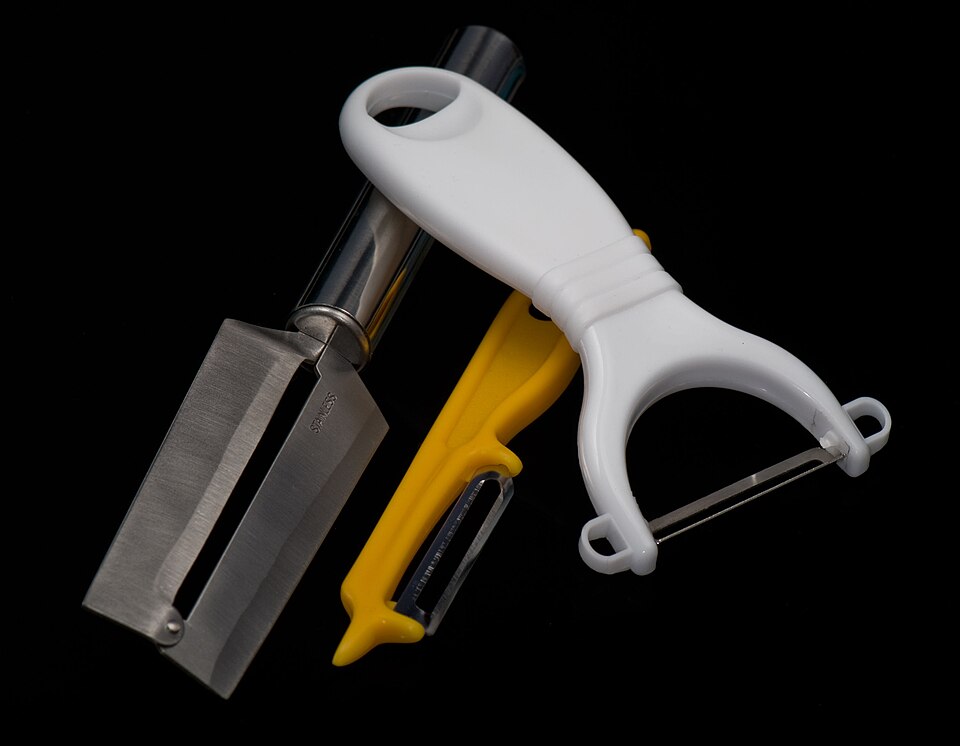
Vegetable Peelers: Swivel or Y-Peeler?
The two main peeler shapes compared, and what to look for in a peeler that stays sharp.
Buying guide
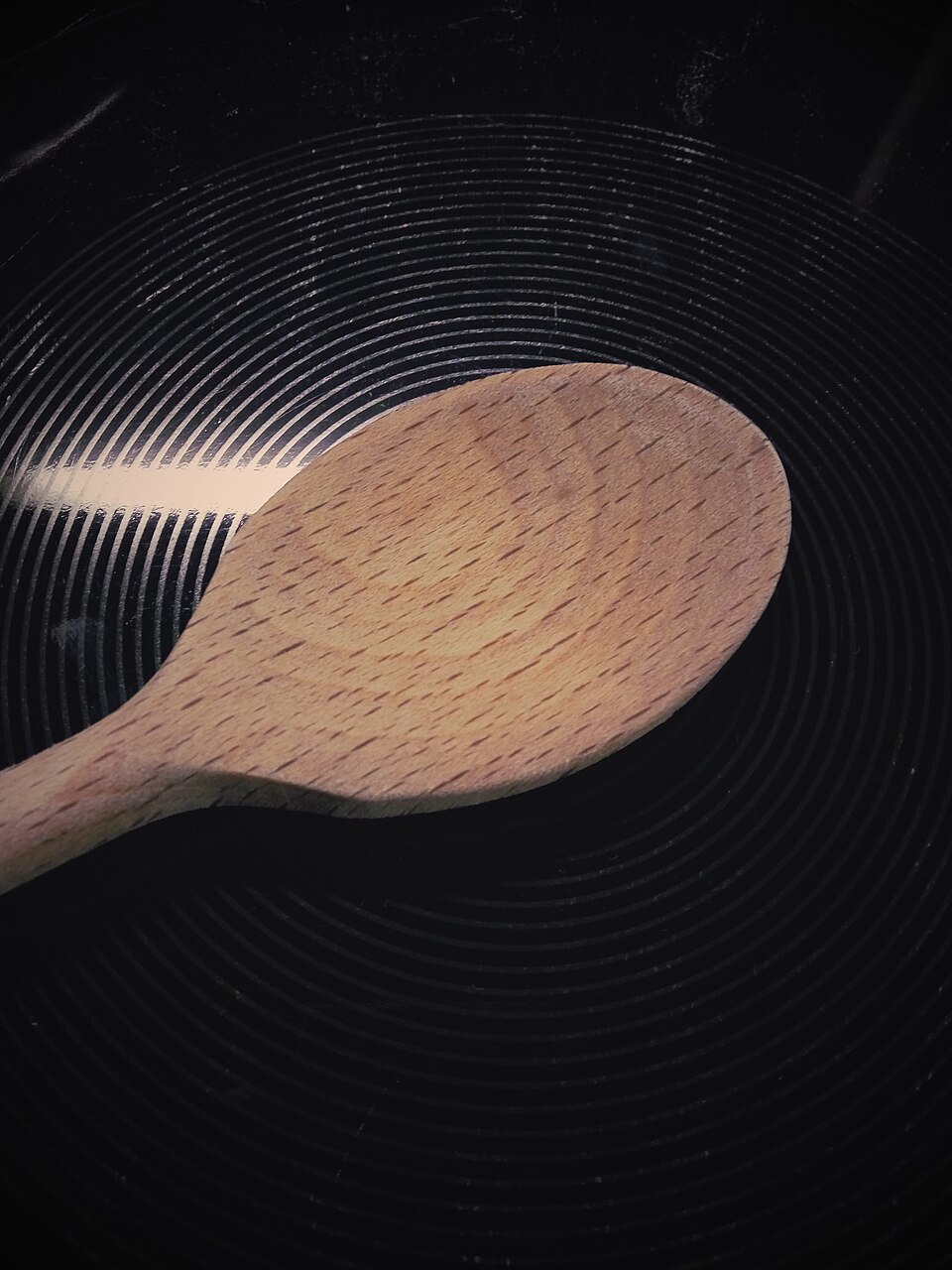
Wooden Spoons and Spatulas: The Everyday Essentials
Wooden spoons, silicone spatulas and fish slices: what each is for and how to look after them.