Buying guide
Chef's Knives: How to Choose One
Blade length, steel, weight and handle: how to choose the one knife you will use for almost everything.
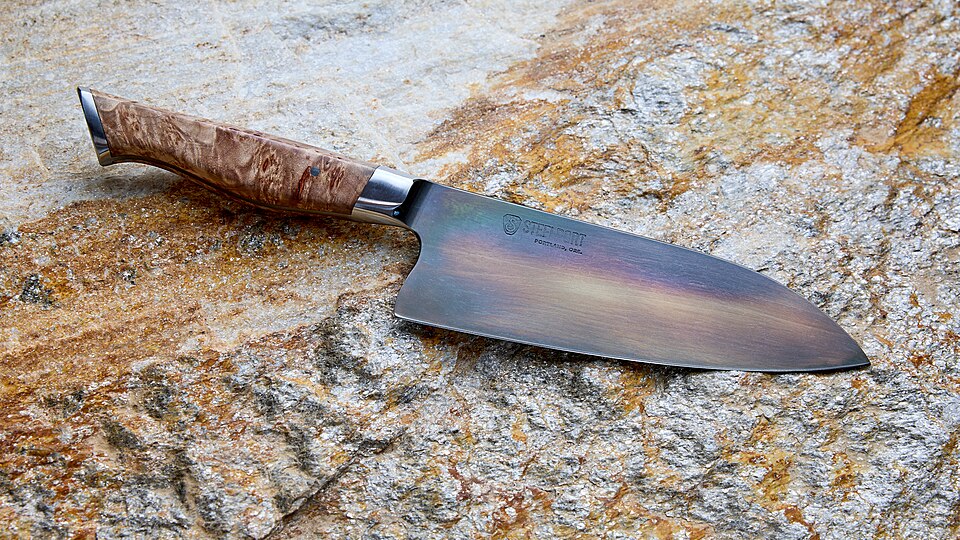
If you buy one good knife, make it a chef's knife. It handles most chopping, slicing and dicing in a home kitchen.
Our shortlist
Shortlist in progress
We only list products once their specifications have been checked against the manufacturer or retailer. Until then, use the criteria above to compare what's available.
Where to buy
Browse current options and prices at the retailer. These are affiliate links: we may earn a commission, at no cost to you (disclosure).
What to consider
| Feature | Options |
|---|---|
| Length | About 20 cm is the most popular all-rounder; 15–18 cm suits smaller hands |
| Style | European-style: heavier, curved belly for rocking cuts. Japanese-style: thinner, lighter and very sharp |
| Steel | Harder steel keeps its edge longer but can chip; softer steel is tougher and easier to re-sharpen |
| Handle | Should feel secure when wet |
Look for
- A knife that feels balanced in your own hand. If you can, hold it before buying.
- A full tang (metal running through the handle) on heavier knives.
Care
Hand-wash and dry at once, store in a block or on a magnetic strip, and hone regularly. A sharp knife is safer than a blunt one because it doesn't slip.
How we choose
BeneRecipes compares tools using manufacturer specifications and retailer listings. We have not tested these products ourselves and don't publish star ratings. We explain which type suits which cook and why.
Some links are affiliate links: if you buy through them we may earn a commission, at no extra cost to you. See our affiliate disclosure.