Buying guide
Measuring Jugs and Spoons: A UK Guide
Measuring liquids and small quantities accurately, and the standard sizes used in British recipes.
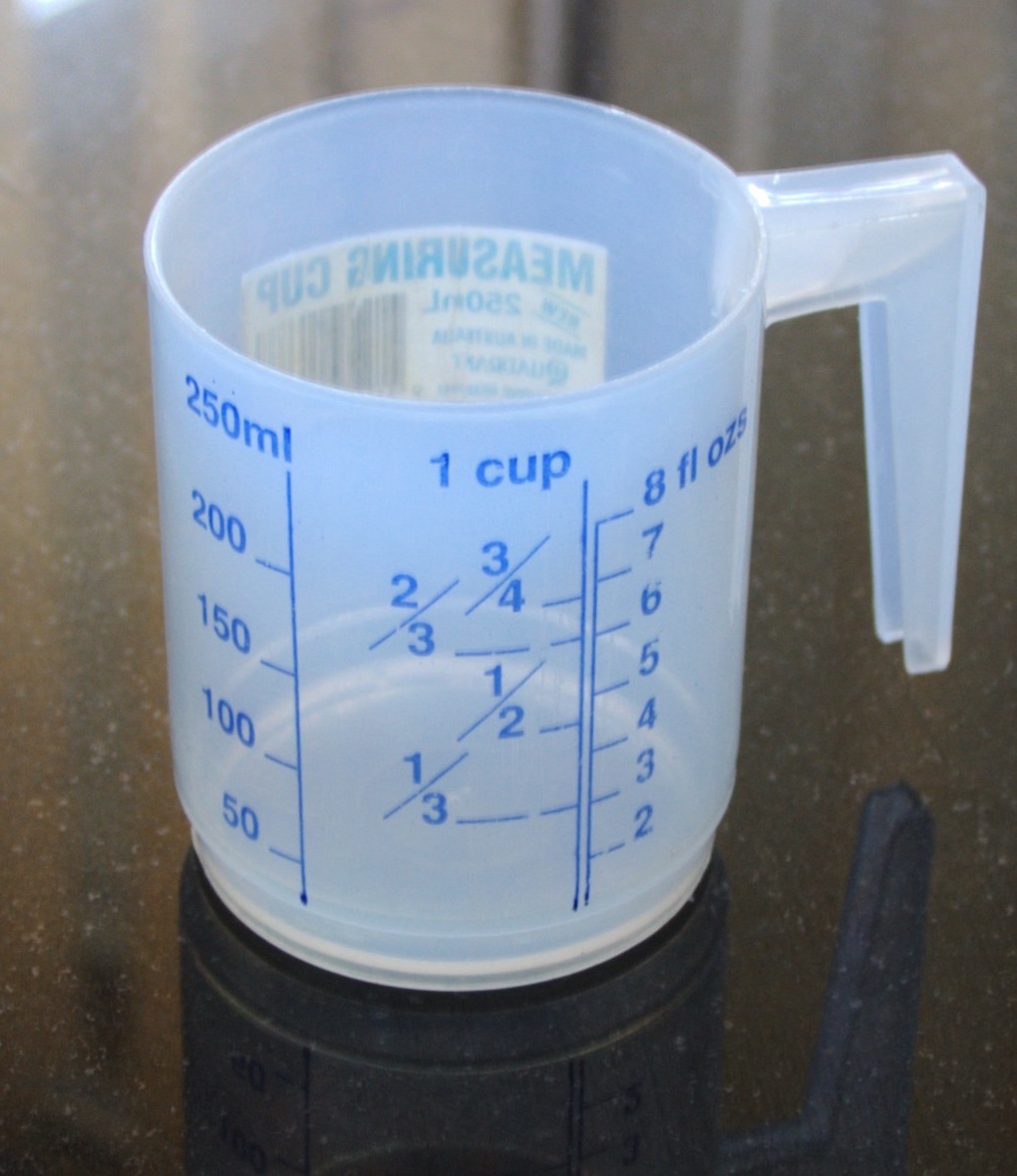
Liquids are measured by volume, and small amounts (baking powder, spices) in spoons. Both need to be accurate for baking to work.
Our shortlist
Shortlist in progress
We only list products once their specifications have been checked against the manufacturer or retailer. Until then, use the criteria above to compare what's available.
Where to buy
Browse current options and prices at the retailer. These are affiliate links: we may earn a commission, at no cost to you (disclosure).
Measuring spoons
In UK recipes a teaspoon is 5 ml and a tablespoon is 15 ml. Kitchen cutlery varies, so a proper set of measuring spoons makes a real difference with raising agents. Level each spoonful with a knife.
Measuring jugs
| Material | Pros | Cons |
|---|---|---|
| Toughened glass | Heatproof, microwave-safe, markings don't wear | Heavier |
| Plastic | Light, unbreakable | Markings can fade; may not be heatproof |
Look for: clear millilitre markings (plus pints if you use old recipes), a good pouring spout, and a 1 litre size as the most useful all-rounder.
Tip
Read the jug at eye level on a flat surface. Looking down from above makes it seem fuller than it is.
How we choose
BeneRecipes compares tools using manufacturer specifications and retailer listings. We have not tested these products ourselves and don't publish star ratings. We explain which type suits which cook and why.
Some links are affiliate links: if you buy through them we may earn a commission, at no extra cost to you. See our affiliate disclosure.