Buying guide
Kitchen Timers: Wind-Up or Digital?
Why a separate timer still earns its place, and how wind-up and digital timers compare.
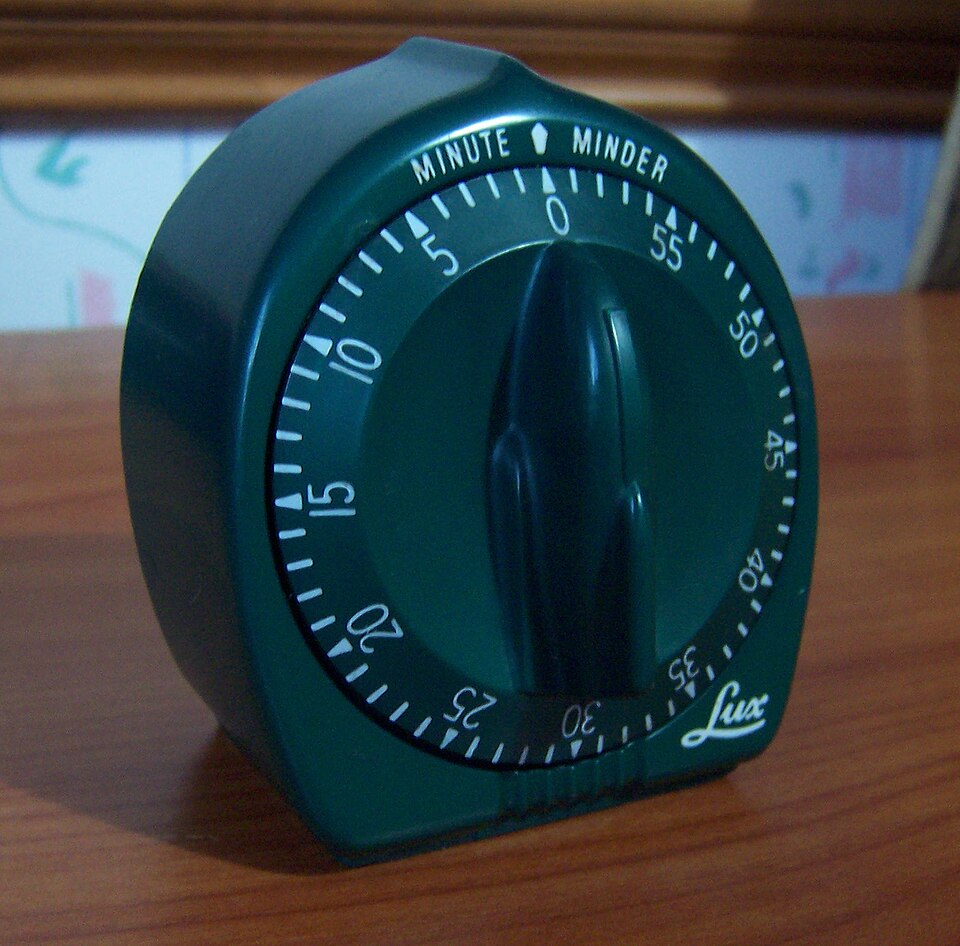
Phones have timers, but a dedicated kitchen timer is quicker to set with floury hands, easy to hear across the room, and never interrupted by a notification.
Our shortlist
Shortlist in progress
We only list products once their specifications have been checked against the manufacturer or retailer. Until then, use the criteria above to compare what's available.
Where to buy
Browse current options and prices at the retailer. These are affiliate links: we may earn a commission, at no cost to you (disclosure).
Types
| Timer | Pros | Cons |
|---|---|---|
| Wind-up (mechanical) | No batteries, simple dial, classic look | Less precise for short times; ticks |
| Digital | Precise to the second; loud alarm; often magnetic | Needs batteries; small buttons |
| Multi-timer | Several countdowns at once: ideal for a Sunday roast | More buttons to learn |
Look for
- A loud alarm you can hear from the next room.
- A magnet or stand so it lives on the oven or fridge.
- Count-up mode, useful for timing how long a bake has actually taken.
For big meals, our Sunday roast guide helps plan what goes in when.
How we choose
BeneRecipes compares tools using manufacturer specifications and retailer listings. We have not tested these products ourselves and don't publish star ratings. We explain which type suits which cook and why.
Some links are affiliate links: if you buy through them we may earn a commission, at no extra cost to you. See our affiliate disclosure.