Buying guide
Stand Mixers: What to Look For
Bowl size, power, attachments and weight: how to choose a stand mixer for British baking.
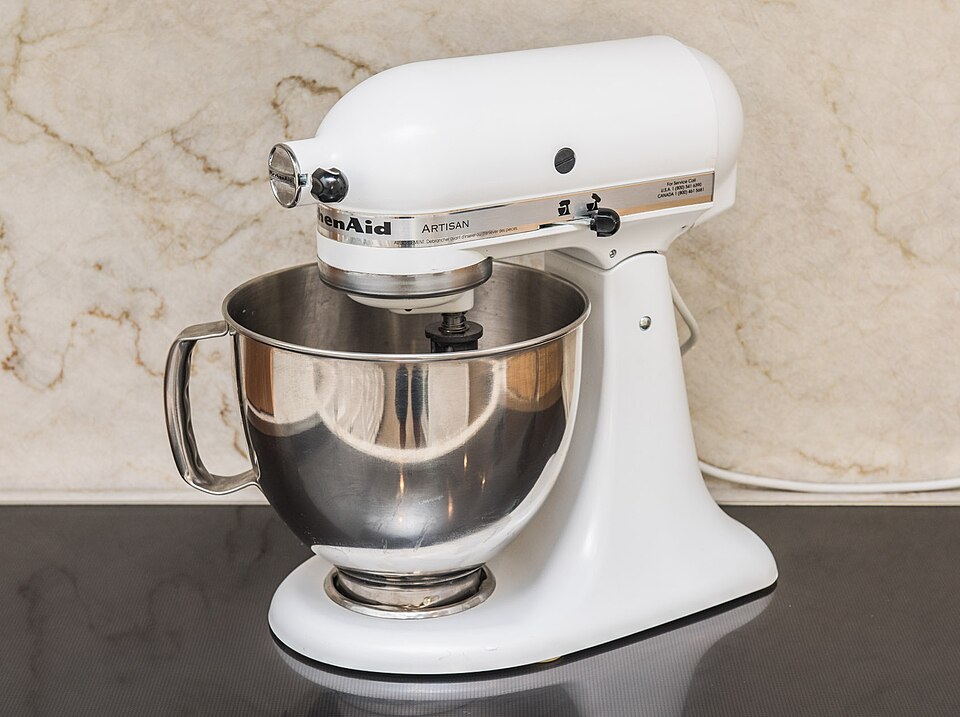
A stand mixer does the hard work of creaming, whisking and kneading while your hands are free. It is a big purchase and a big object, so it pays to match it to the baking you actually do.
Our shortlist
Shortlist in progress
We only list products once their specifications have been checked against the manufacturer or retailer. Until then, use the criteria above to compare what's available.
Where to buy
Browse current options and prices at the retailer. These are affiliate links: we may earn a commission, at no cost to you (disclosure).
What matters
| Feature | What to look for |
|---|---|
| Bowl capacity | Around 4.5–5 litres suits most home baking; larger bowls suit big batches and bread |
| Mixing action | "Planetary" action (the beater moves round the bowl as it spins) reaches the sides well |
| Attachments | A flat beater, whisk and dough hook are the essentials |
| Weight | Heavier machines stay put when kneading stiff dough |
| Size | Check the height fits under your wall cupboards, with the head tilted if it tilts |
Power figures
Wattage is not a direct measure of mixing strength: the gearing and motor design matter too. Compare how each maker says the machine handles bread dough if you plan to knead.
Do you need one?
For occasional cakes, a hand mixer does the job for far less money and space. A stand mixer earns its place if you bake weekly, make bread, or whip meringues and buttercream often.
How we choose
BeneRecipes compares tools using manufacturer specifications and retailer listings. We have not tested these products ourselves and don't publish star ratings. We explain which type suits which cook and why.
Some links are affiliate links: if you buy through them we may earn a commission, at no extra cost to you. See our affiliate disclosure.