Buying guide
Kitchen Scales for Baking: What to Look For
Why British baking needs scales, and which features matter: increments, capacity, tare and units.
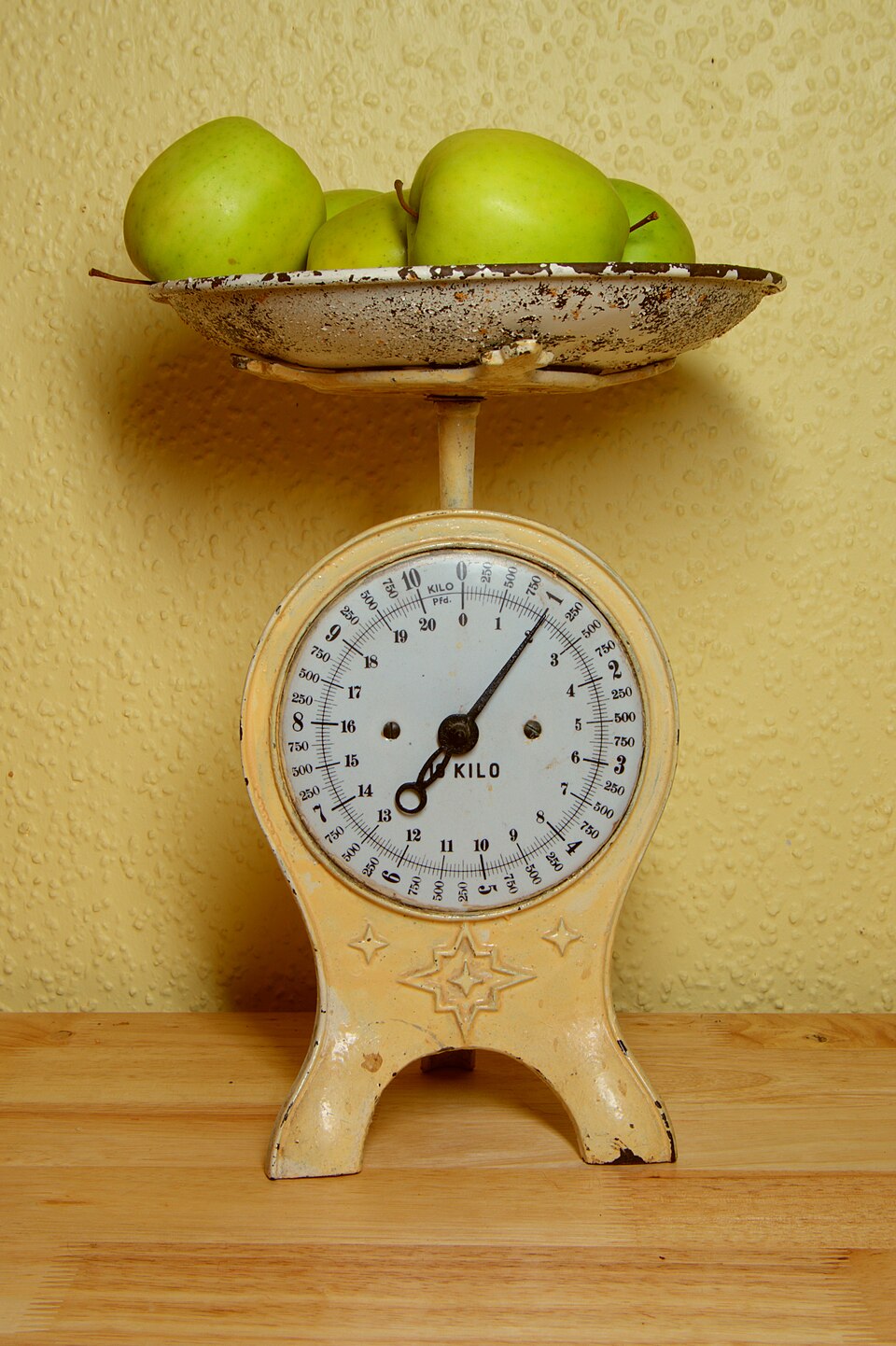
British recipes are written in grams, so scales are the most important baking tool you can own. A cheap digital scale is far more accurate than cups or spoons.
Our shortlist
Shortlist in progress
We only list products once their specifications have been checked against the manufacturer or retailer. Until then, use the criteria above to compare what's available.
Where to buy
Browse current options and prices at the retailer. These are affiliate links: we may earn a commission, at no cost to you (disclosure).
Features that matter
| Feature | Look for | Why |
|---|---|---|
| Increments | 1 g | Small quantities (yeast, raising agents) need precision |
| Capacity | 5 kg or more | Enough for a full mixing bowl |
| Tare / zero | A clear button | Weigh several ingredients into one bowl |
| Units | g, ml, oz, lb | Useful for older recipes in imperial |
| Platform | Flat, easy to wipe | Large bowls don't hide the display |
Digital or mechanical?
Digital scales are more precise and have tare. Mechanical scales need no batteries and look traditional, but are harder to read accurately in small amounts.
Tip
Replace the batteries as soon as readings start to drift, and keep a spare set in the drawer.
How we choose
BeneRecipes compares tools using manufacturer specifications and retailer listings. We have not tested these products ourselves and don't publish star ratings. We explain which type suits which cook and why.
Some links are affiliate links: if you buy through them we may earn a commission, at no extra cost to you. See our affiliate disclosure.
Recipes to go with it
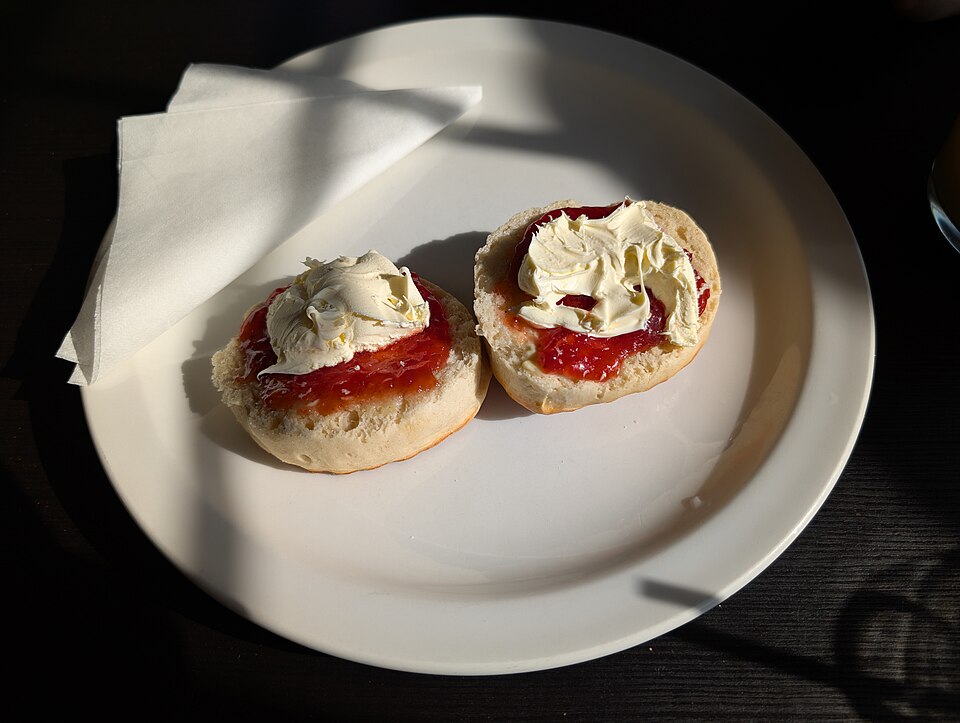
Recipe · 30 min
Classic British Scones
Tall, light scones for afternoon tea or a cream tea, ready in about 30 minutes.
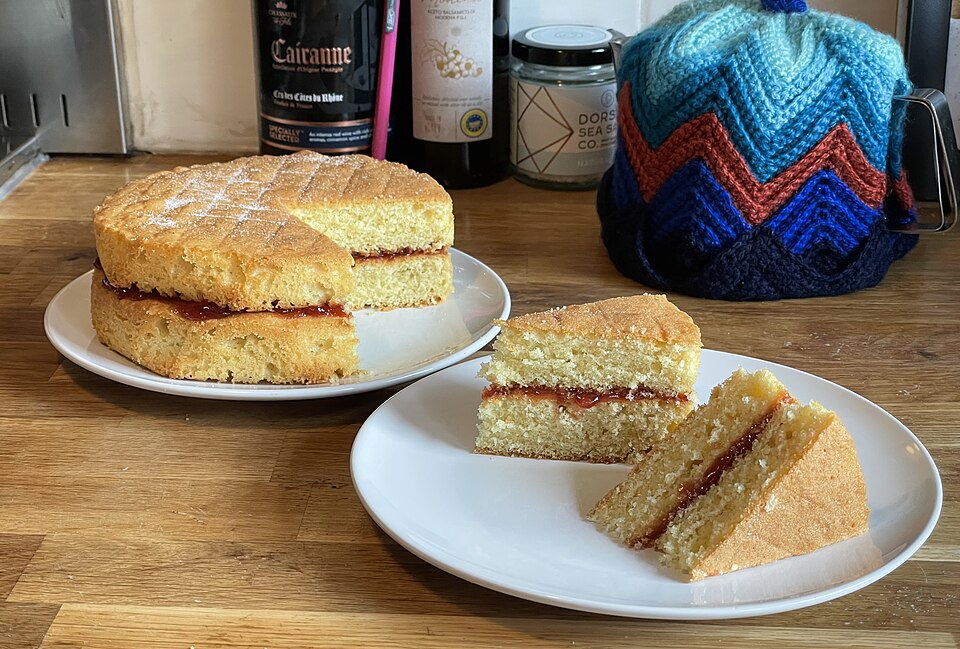
Recipe · 1 hr 15 min
Victoria Sponge
The classic two-layer sponge with jam and buttercream, named after Queen Victoria.
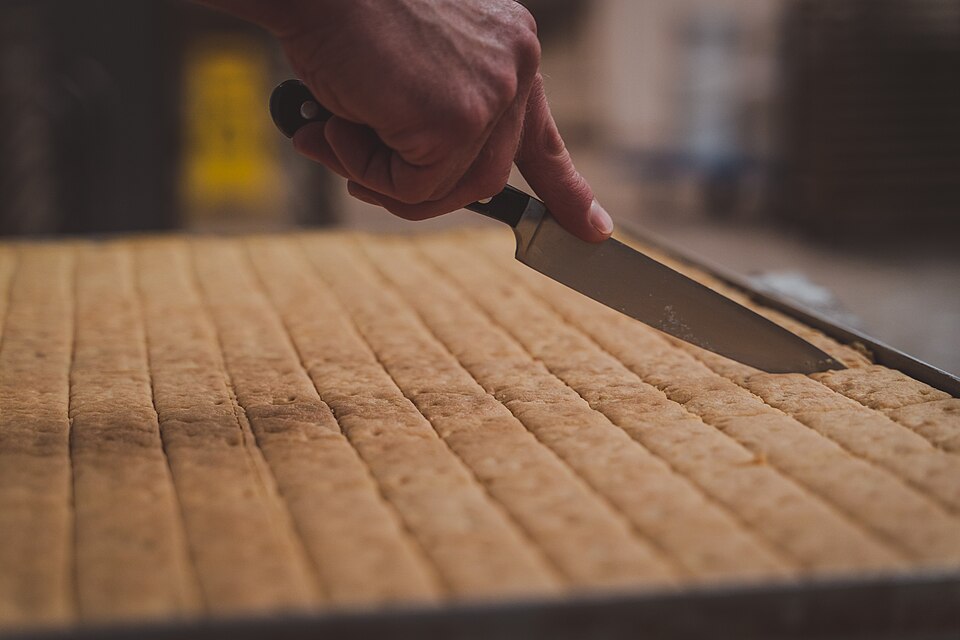
Recipe · 1 hr 5 min
Scottish Shortbread
Three ingredients, one ratio: pale, crumbly, buttery shortbread.