Buying guide
Chopping Boards: Wood or Plastic?
Wood vs plastic boards compared for hygiene and knife care, and why you need more than one.
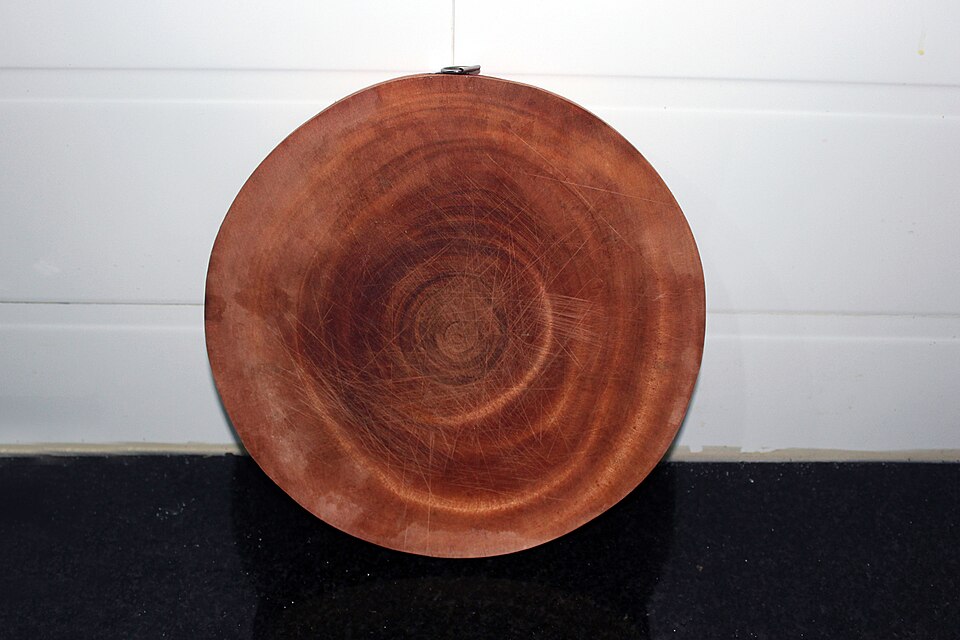
Food-safety advice is to keep separate boards for raw meat and for ready-to-eat food, so most kitchens need at least two.
Our shortlist
Shortlist in progress
We only list products once their specifications have been checked against the manufacturer or retailer. Until then, use the criteria above to compare what's available.
Where to buy
Browse current options and prices at the retailer. These are affiliate links: we may earn a commission, at no cost to you (disclosure).
Materials
| Material | Pros | Cons |
|---|---|---|
| Wood (end grain or edge grain) | Kind to knives, looks good, durable | Hand-wash only, needs oiling |
| Plastic (polyethylene) | Dishwasher-safe, cheap, colour-coded sets | Deep cuts should be replaced |
| Glass or stone | Easy to clean | Blunts knives quickly: best avoided |
Colour coding
Colour-coded plastic boards make separation easy. Kitchens commonly use red for raw meat, blue for raw fish, yellow for cooked meat, green for salad and fruit, brown for vegetables and white for bread and dairy.
Look for
- Non-slip feet or a damp cloth underneath.
- A juice groove for carving.
- A size that fits your sink for washing.
How we choose
BeneRecipes compares tools using manufacturer specifications and retailer listings. We have not tested these products ourselves and don't publish star ratings. We explain which type suits which cook and why.
Some links are affiliate links: if you buy through them we may earn a commission, at no extra cost to you. See our affiliate disclosure.