Buying guide
Cooling Racks: Why Every Baker Needs One
Why bakes need to cool on a rack, and what to look for: size, grid spacing and stacking.
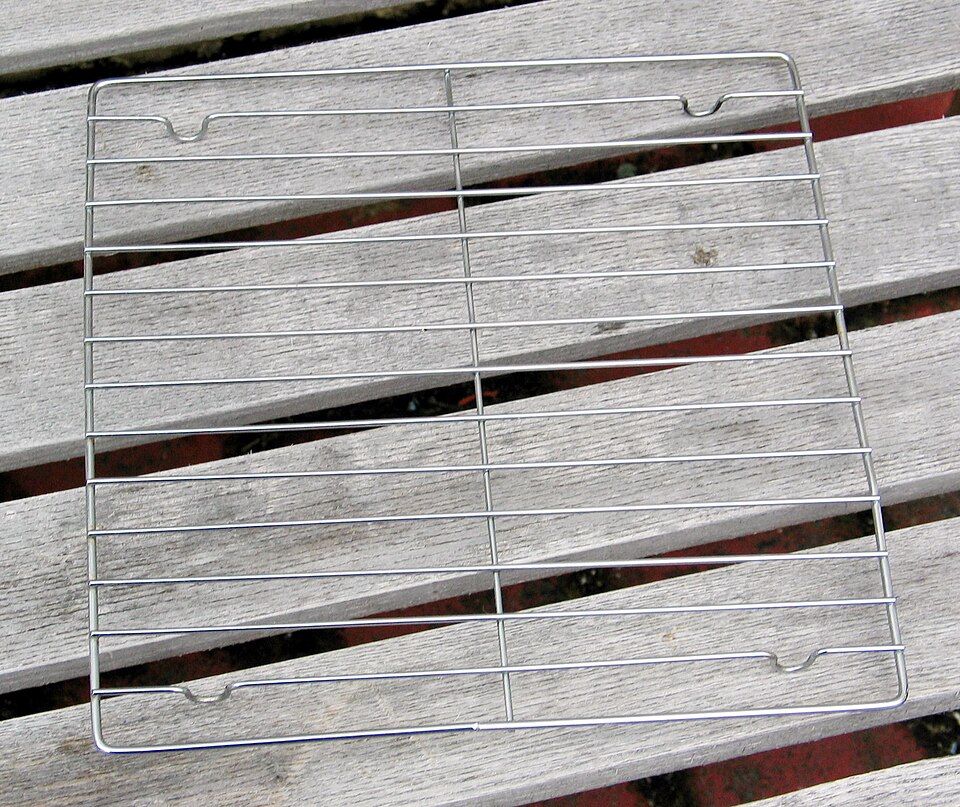
A cake or loaf left to cool on a solid surface traps steam underneath and goes soggy. A wire rack lets air circulate all round.
Our shortlist
Shortlist in progress
We only list products once their specifications have been checked against the manufacturer or retailer. Until then, use the criteria above to compare what's available.
Where to buy
Browse current options and prices at the retailer. These are affiliate links: we may earn a commission, at no cost to you (disclosure).
What to look for
| Feature | Why |
|---|---|
| Tight grid | Small biscuits and scones don't sag between the wires |
| Raised feet | Air can flow underneath |
| Size | Large enough for two sandwich sponges side by side |
| Stacking legs | Several batches cooling in one small space |
| Stainless steel or coated | Easy to clean, won't rust |
Round or rectangular?
Round racks suit single cakes and look good on the table; rectangular racks hold more and fit inside a baking tray for other jobs.
Tip
Turn sponges out onto a rack lined with a clean tea towel to stop the wires marking the tops.
How we choose
BeneRecipes compares tools using manufacturer specifications and retailer listings. We have not tested these products ourselves and don't publish star ratings. We explain which type suits which cook and why.
Some links are affiliate links: if you buy through them we may earn a commission, at no extra cost to you. See our affiliate disclosure.
Recipes to go with it
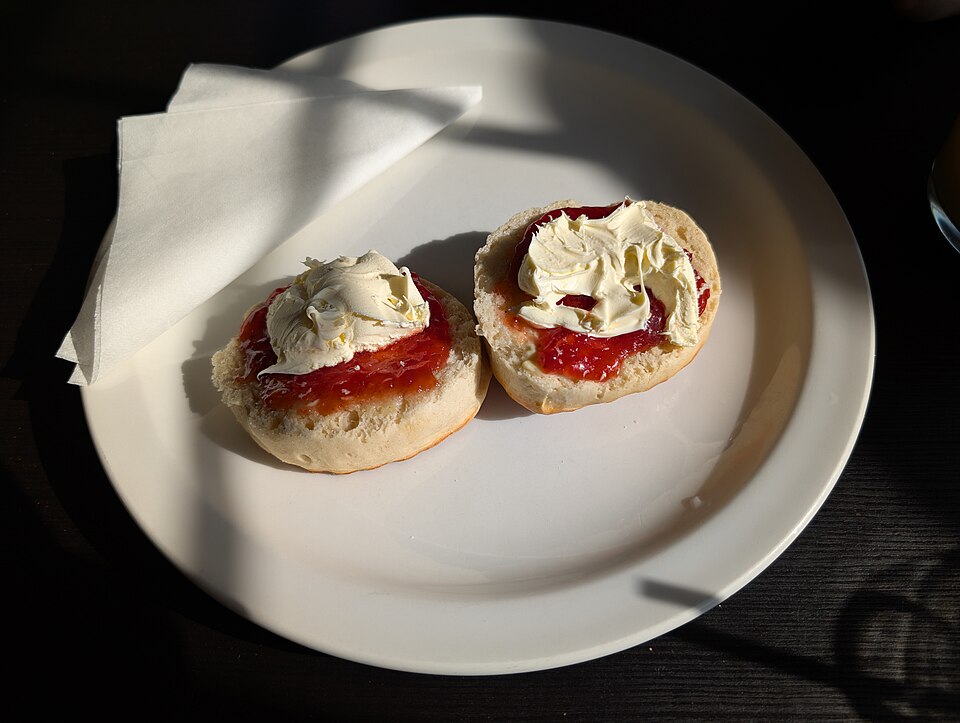
Recipe · 30 min
Classic British Scones
Tall, light scones for afternoon tea or a cream tea, ready in about 30 minutes.
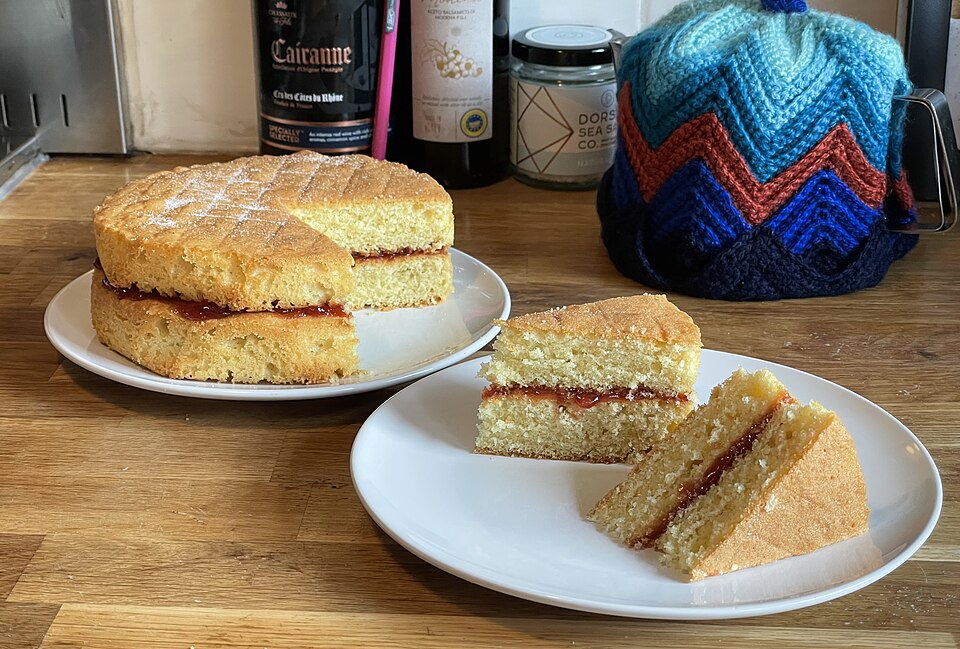
Recipe · 1 hr 15 min
Victoria Sponge
The classic two-layer sponge with jam and buttercream, named after Queen Victoria.
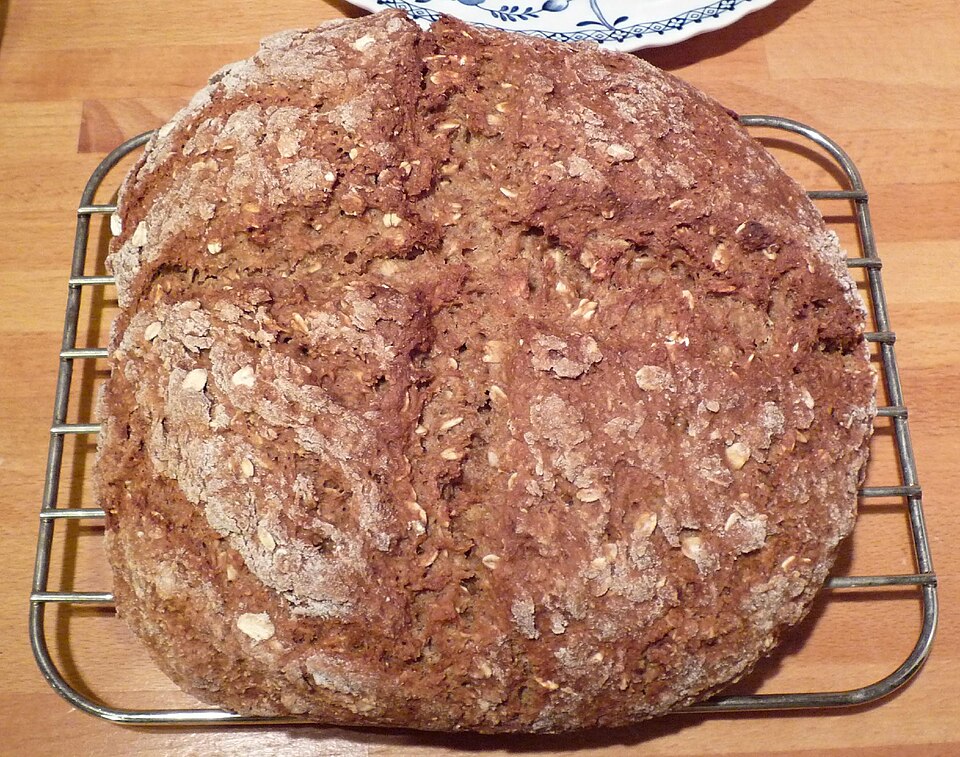
Recipe · 50 min
Irish Soda Bread
A yeast-free loaf raised with bicarbonate of soda and buttermilk: mixed, shaped and baked in under an hour.