Buying guide
Oven Thermometers: Why Your Dial May Be Wrong
Home ovens often run hotter or cooler than the dial says. How an oven thermometer fixes baking problems.
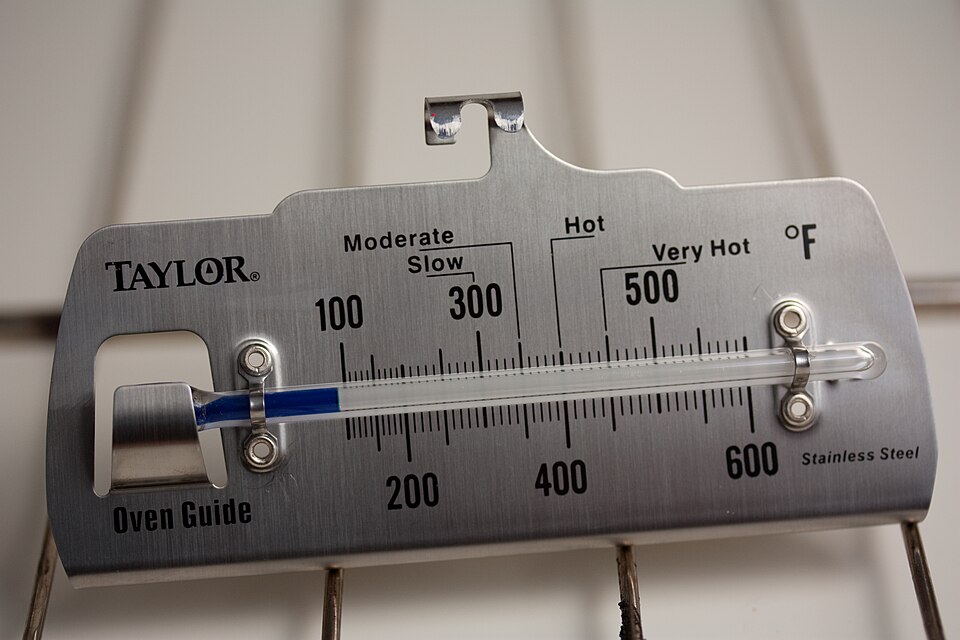
If sponges sink, biscuits burn or Yorkshire puddings will not rise, the oven temperature is a likely culprit. Many ovens run noticeably hotter or cooler than the dial shows.
Our shortlist
Shortlist in progress
We only list products once their specifications have been checked against the manufacturer or retailer. Until then, use the criteria above to compare what's available.
Where to buy
Browse current options and prices at the retailer. These are affiliate links: we may earn a commission, at no cost to you (disclosure).
How to use one
- Hang or stand the thermometer in the centre of the oven.
- Heat the oven to 180°C and wait 20 minutes.
- Compare the reading, then check again at another temperature.
- Adjust your dial to match, or note the difference on a label by the oven.
Look for
- Clear markings in °C (and gas marks, if you have a gas oven).
- A hook and a stand, so it can hang from a shelf or sit on it.
- Stainless steel construction that survives high heat.
Hot spots
Move the thermometer to different shelves and corners: most ovens are hotter at the back or top. Turn trays halfway through baking if needed.
How we choose
BeneRecipes compares tools using manufacturer specifications and retailer listings. We have not tested these products ourselves and don't publish star ratings. We explain which type suits which cook and why.
Some links are affiliate links: if you buy through them we may earn a commission, at no extra cost to you. See our affiliate disclosure.
Recipes to go with it
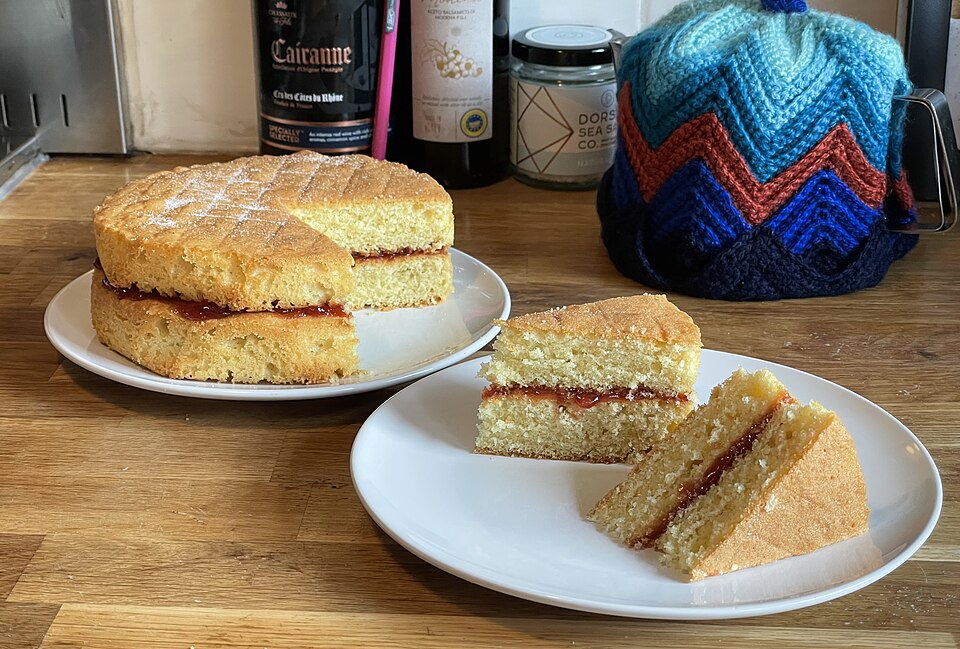
Recipe · 1 hr 15 min
Victoria Sponge
The classic two-layer sponge with jam and buttercream, named after Queen Victoria.
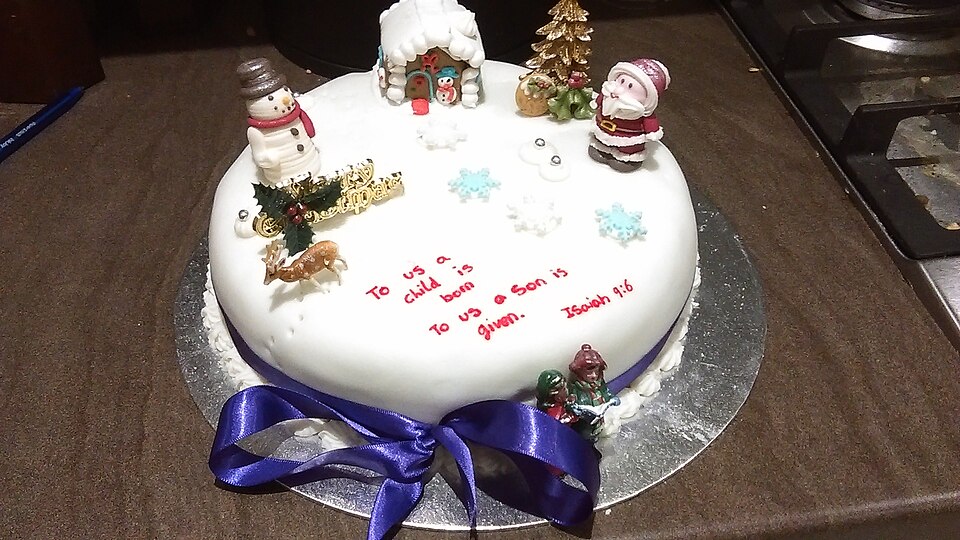
Recipe · 4 hr 30 min
Traditional Christmas Cake
A rich, dark fruit cake baked weeks ahead and fed with brandy until Christmas.
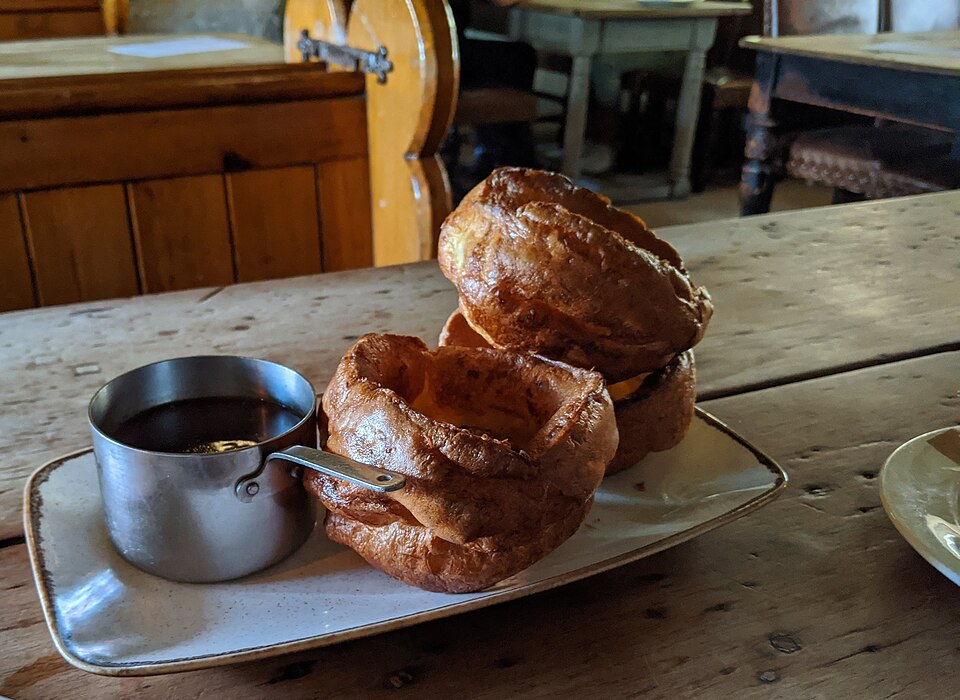
Recipe · 1 hr 5 min
Yorkshire Puddings
Tall, crisp Yorkshires: a simple batter, very hot fat, and an oven door kept shut.