Buying guide
Hand Mixers: A Buyer's Guide
Speeds, beaters, weight and storage: how to choose an electric hand mixer that makes light work of creaming.
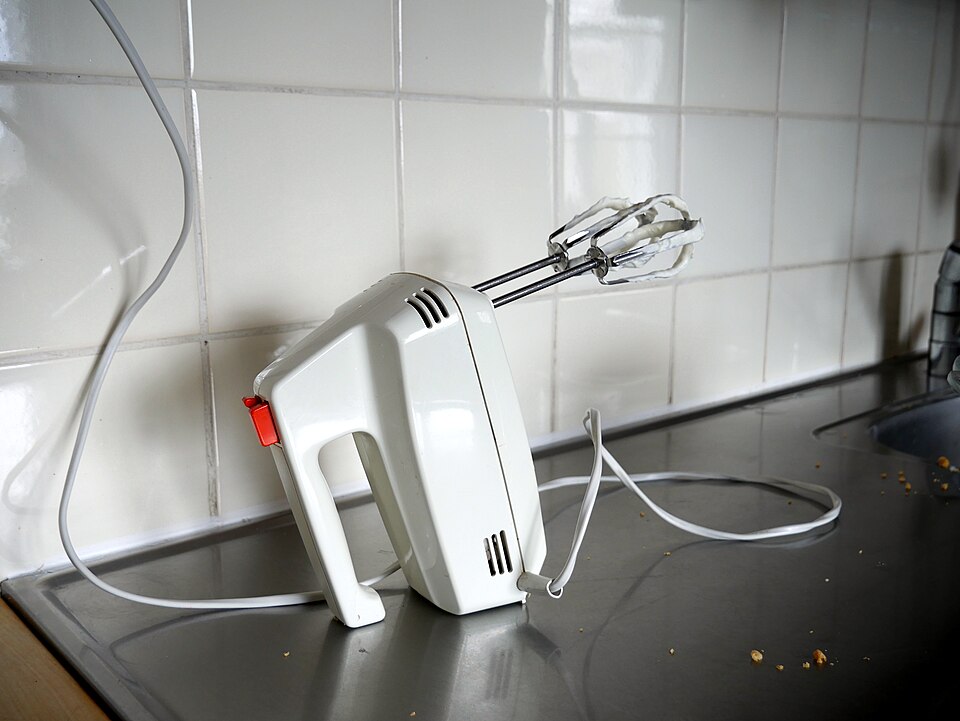
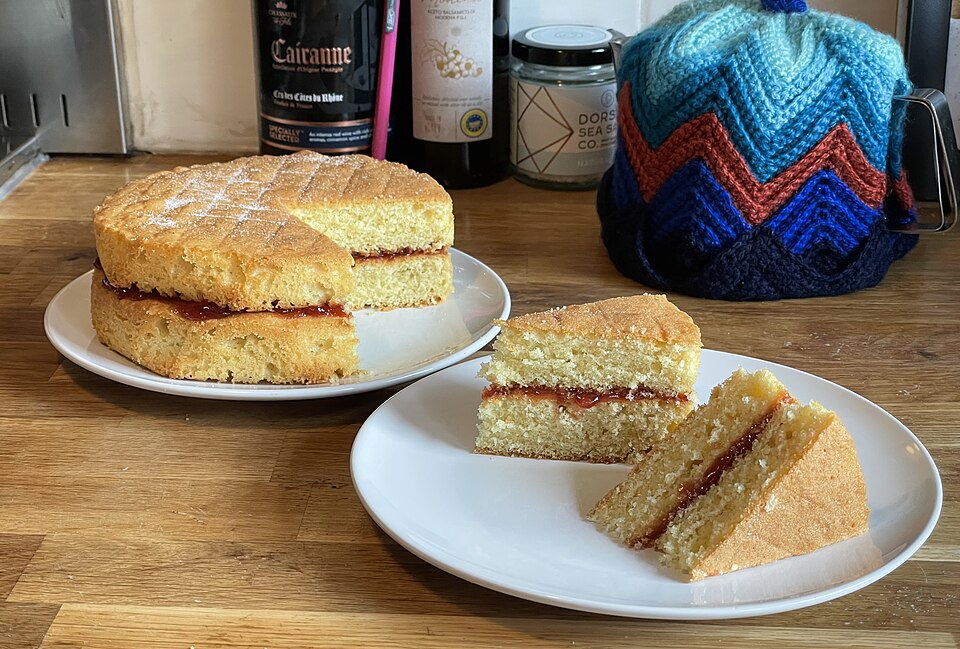
An electric hand mixer is the most useful small appliance for British baking. It creams butter and sugar for a Victoria sponge in minutes, and fits in a drawer.
Our shortlist
Shortlist in progress
We only list products once their specifications have been checked against the manufacturer or retailer. Until then, use the criteria above to compare what's available.
Where to buy
Browse current options and prices at the retailer. These are affiliate links: we may earn a commission, at no cost to you (disclosure).
What to look for
| Feature | Why |
|---|---|
| Several speeds, starting slow | Stops flour flying out of the bowl |
| Sturdy beaters | Wire or flat beaters for batters, plus whisks for cream and egg whites |
| Comfortable weight and grip | You hold it for several minutes at a time |
| Easy-eject beaters | Quick to clean |
| Storage case or clip | Keeps beaters with the mixer |
Hand mixer or stand mixer?
A hand mixer covers cakes, cream, meringues and batters. For regular bread-making or very large batches, see stand mixers.
Tip
Start on the lowest speed until the flour is incorporated, then increase. Use a deep bowl to avoid splashes.
How we choose
BeneRecipes compares tools using manufacturer specifications and retailer listings. We have not tested these products ourselves and don't publish star ratings. We explain which type suits which cook and why.
Some links are affiliate links: if you buy through them we may earn a commission, at no extra cost to you. See our affiliate disclosure.