Buying guide
Mixing Bowls: Glass, Steel or Ceramic?
How mixing bowl materials compare for baking, and what sizes are worth owning.
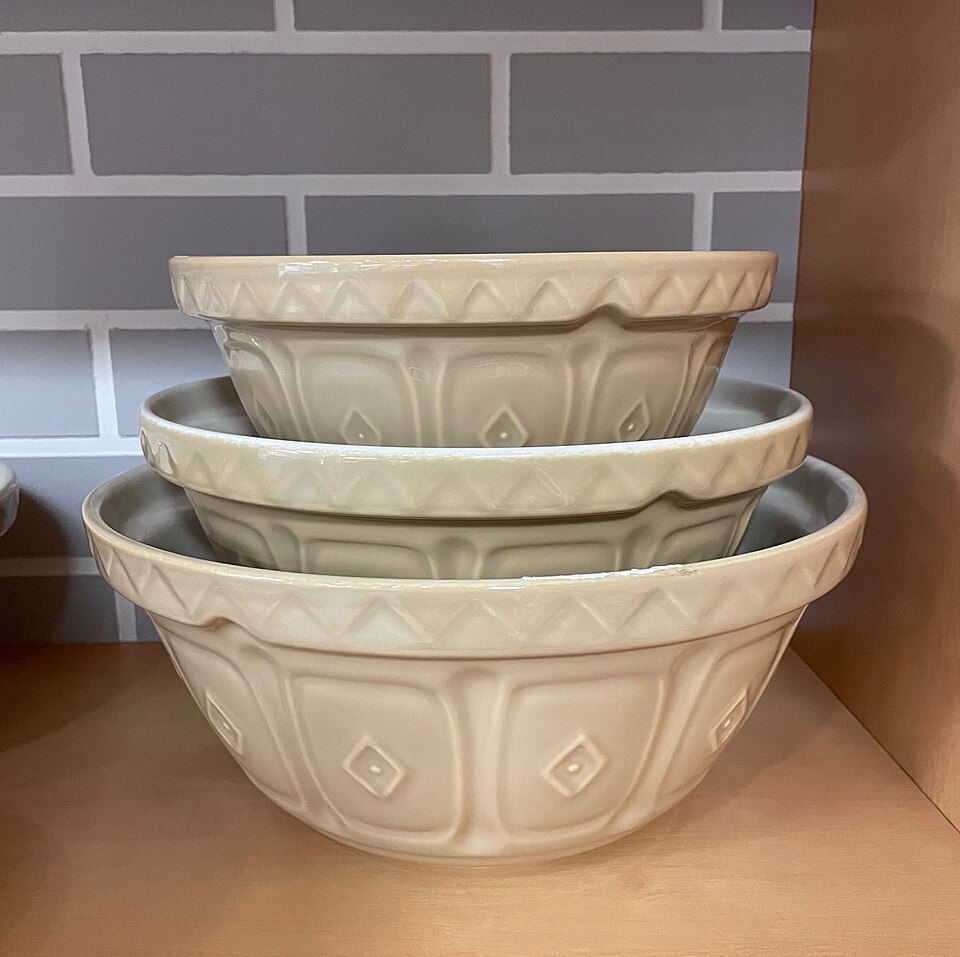
Most British baking starts with a big bowl. The material affects weight, stability and whether you can use it in the microwave.
Our shortlist
Shortlist in progress
We only list products once their specifications have been checked against the manufacturer or retailer. Until then, use the criteria above to compare what's available.
Where to buy
Browse current options and prices at the retailer. These are affiliate links: we may earn a commission, at no cost to you (disclosure).
Materials compared
| Material | Pros | Cons |
|---|---|---|
| Glass (toughened) | See-through, microwave-safe, doesn't stain | Heavy, can break if dropped |
| Stainless steel | Light, unbreakable, chills quickly for cream | Not for the microwave |
| Ceramic / earthenware | Heavy and stable when beating by hand | Heavy to lift, can chip |
| Plastic | Cheap, light | Can hold grease: not ideal for whisking egg whites |
Sizes to own
A large bowl (about 4–5 litres) for bread and big cake batters, a medium one for everyday baking, and a small one for melting butter or beating eggs. Nesting sets save cupboard space.
Look for
- A non-slip base or enough weight to stay put.
- A pouring lip for batters.
- Measurements marked inside are a bonus.
How we choose
BeneRecipes compares tools using manufacturer specifications and retailer listings. We have not tested these products ourselves and don't publish star ratings. We explain which type suits which cook and why.
Some links are affiliate links: if you buy through them we may earn a commission, at no extra cost to you. See our affiliate disclosure.
Recipes to go with it
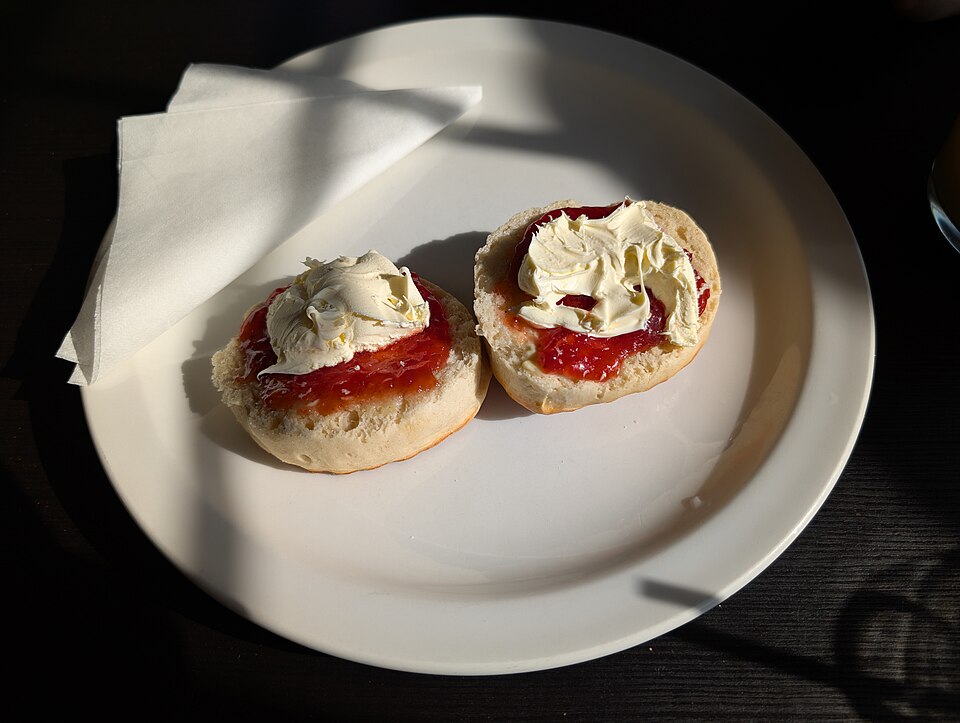
Recipe · 30 min
Classic British Scones
Tall, light scones for afternoon tea or a cream tea, ready in about 30 minutes.
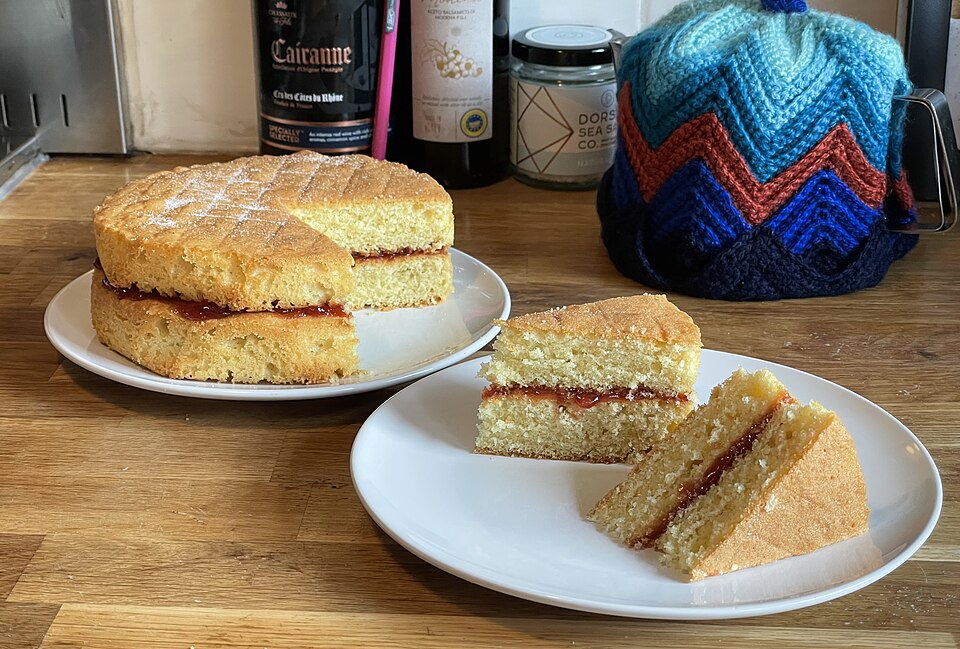
Recipe · 1 hr 15 min
Victoria Sponge
The classic two-layer sponge with jam and buttercream, named after Queen Victoria.
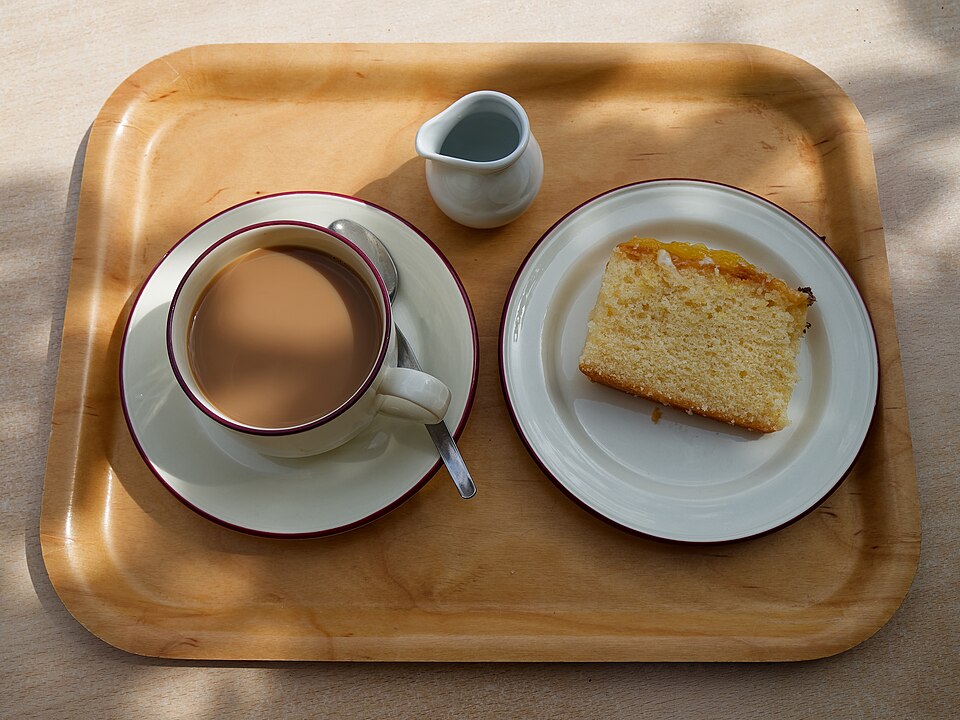
Recipe · 1 hr 30 min
Lemon Drizzle Cake
A soft lemon loaf soaked with a crunchy sugar-and-lemon drizzle while still warm.