Buying guide
Saucepans: Stainless, Non-Stick or Copper?
How saucepan materials compare, which sizes you actually need, and what makes a pan last.
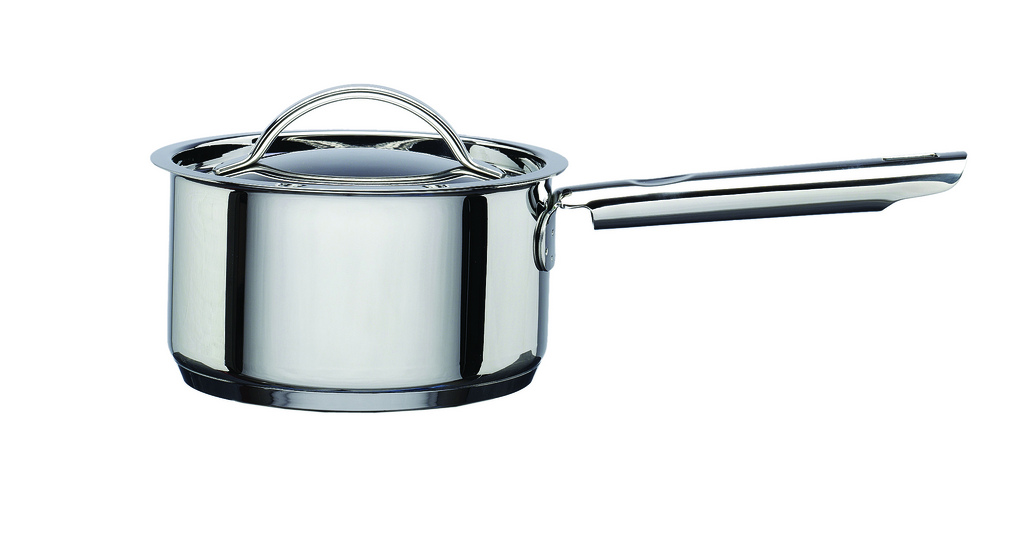
Most kitchens need only three or four good saucepans. Buying fewer, better pans usually beats a big set of thin ones.
Our shortlist
Shortlist in progress
We only list products once their specifications have been checked against the manufacturer or retailer. Until then, use the criteria above to compare what's available.
Where to buy
Browse current options and prices at the retailer. These are affiliate links: we may earn a commission, at no cost to you (disclosure).
Materials
| Material | Pros | Cons |
|---|---|---|
| Stainless steel (with an aluminium or copper base or core) | Durable, oven-safe, dishwasher-safe | Food can stick without enough fat |
| Non-stick | Easy for eggs, porridge, sauces | Coating wears; avoid metal utensils and very high heat |
| Copper (lined) | Fast, even, responsive heat | Expensive; needs hand-washing and polishing |
| Enamelled cast iron | Holds heat well | Heavy |
Sizes to own
- Small (about 16 cm): sauces, custard, melting butter.
- Medium (about 18–20 cm): vegetables, rice.
- Large (about 24 cm) or a stockpot: potatoes, soups, pasta.
What to check
- Hob compatibility: induction needs a magnetic base.
- A heavy, flat base that won't warp.
- Well-fitting lids and handles that stay cool and are firmly riveted or welded.
How we choose
BeneRecipes compares tools using manufacturer specifications and retailer listings. We have not tested these products ourselves and don't publish star ratings. We explain which type suits which cook and why.
Some links are affiliate links: if you buy through them we may earn a commission, at no extra cost to you. See our affiliate disclosure.
Recipes to go with it
Recipe · 20 min
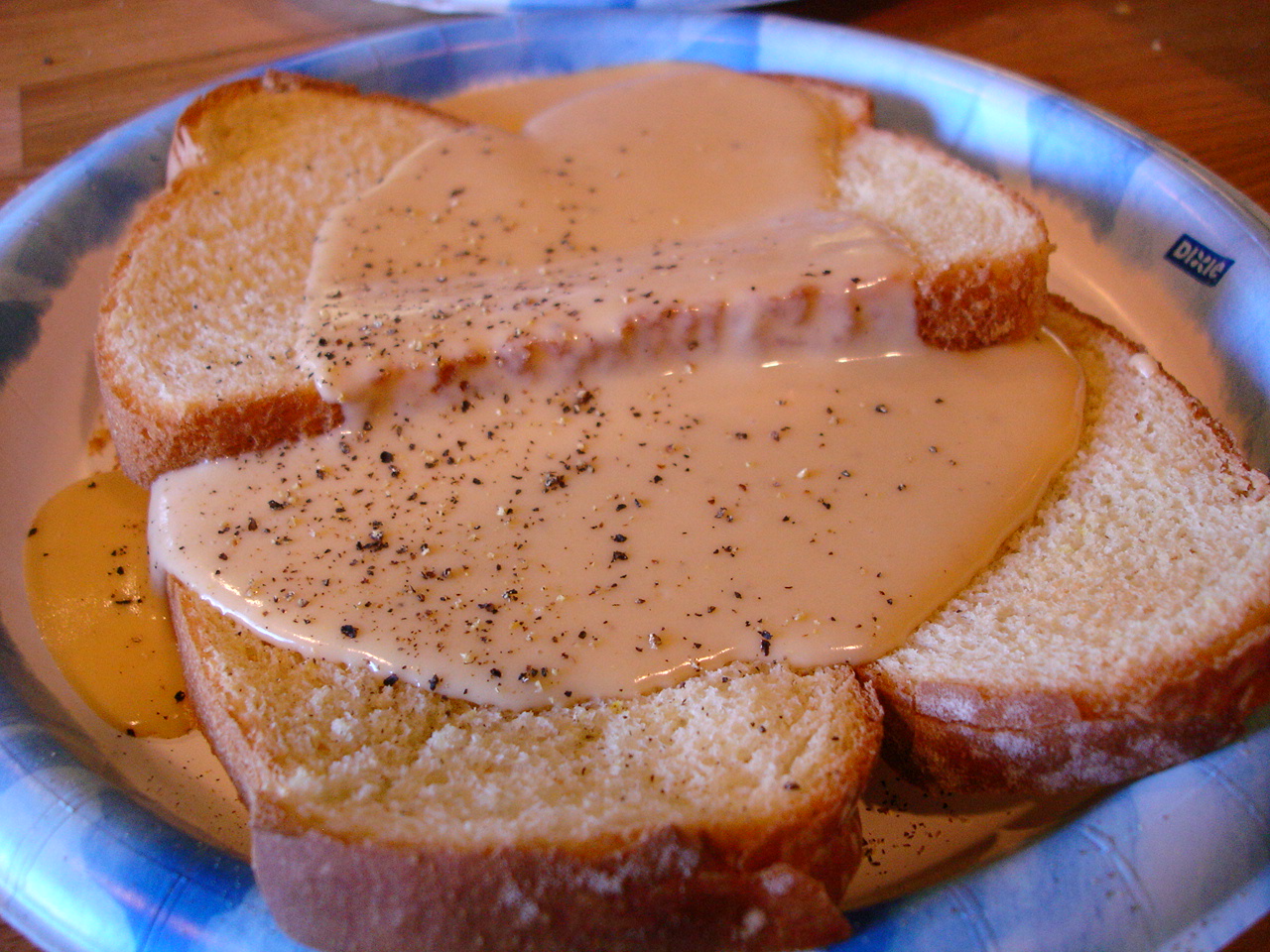
Welsh Rarebit
A savoury sauce of cheese, ale and mustard, spread on toast and grilled until bubbling and golden.
Recipe · 40 min
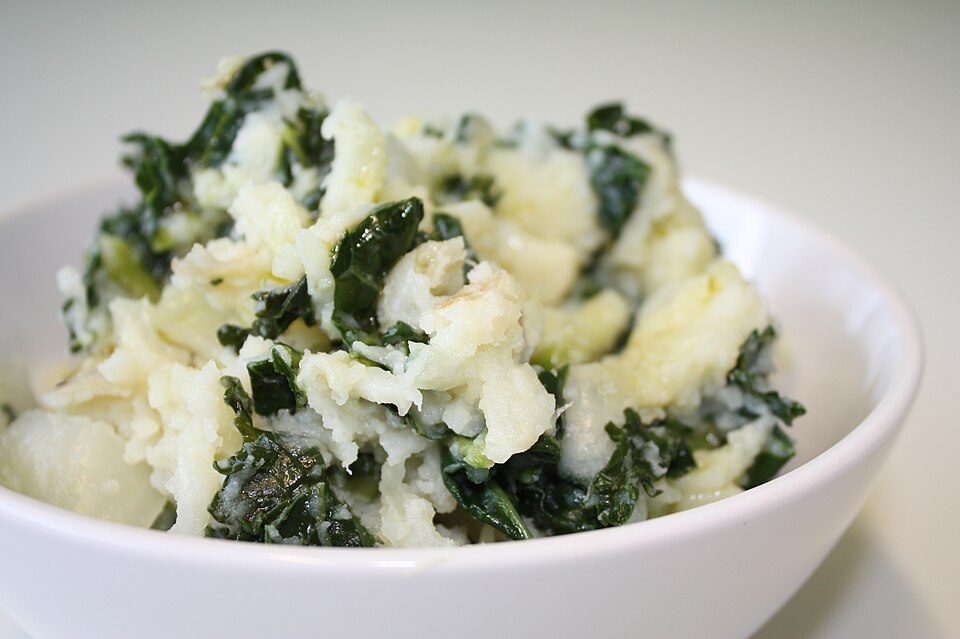
Colcannon
Buttery mashed potato folded with kale or cabbage and spring onions, served with a well of melting butter.
Recipe · 45 min
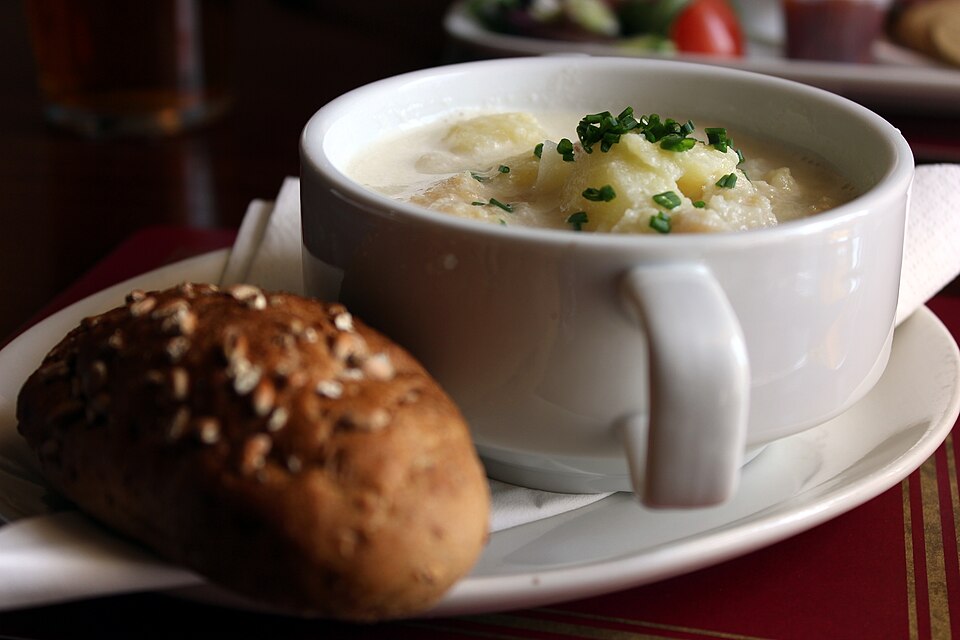
Cullen Skink
A thick, creamy soup of smoked haddock, potato and onion from the Moray coast of Scotland.