Comparison
Bone China vs Porcelain vs Stoneware for Tea Sets
How the three materials differ in weight, strength, heat and care, and which to choose.
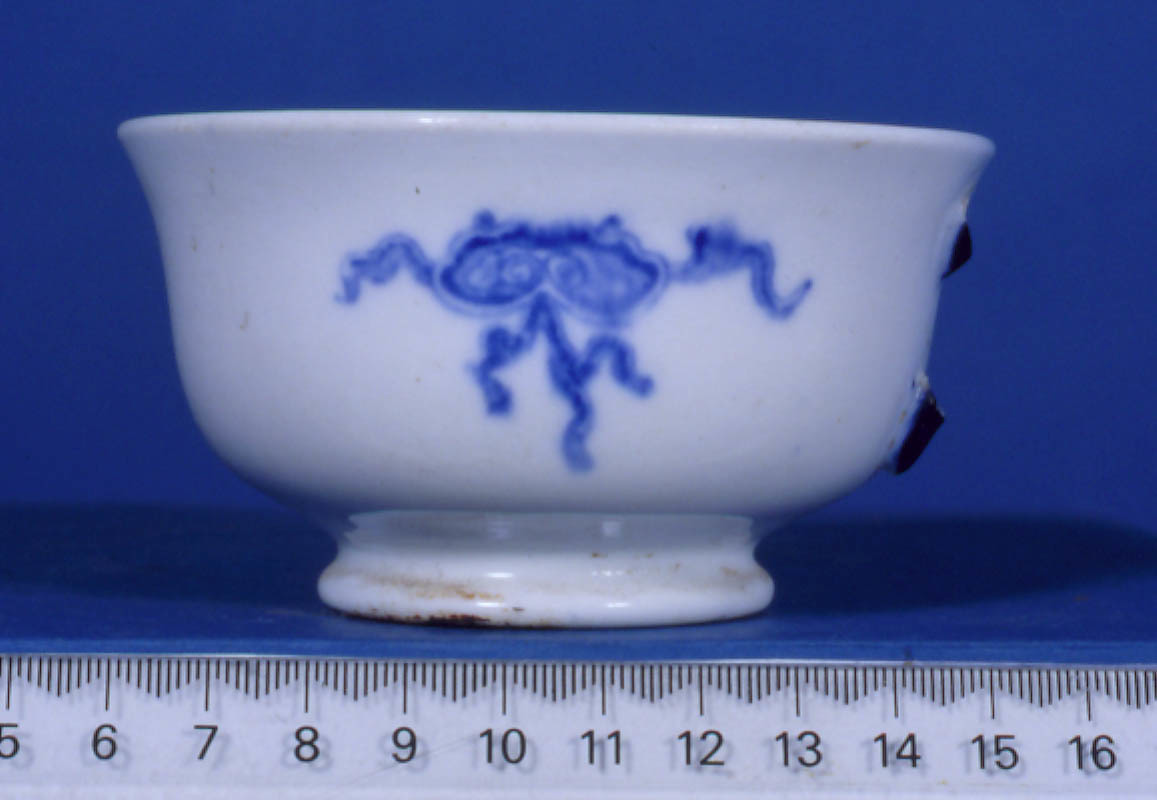
All three are ceramics fired in a kiln, but their ingredients and firing make them look, feel and wear quite differently.
| Bone china | Porcelain | Stoneware | |
|---|---|---|---|
| Key ingredient | Bone ash with china clay and stone | Kaolin (china clay) fired very hot | Stoneware clays |
| Look | Warm white, translucent when held to light | Bright white, can be translucent when thin | Opaque, often glazed in colour |
| Weight | Light and thin | Light to medium | Heavier and thicker |
| Strength | Strong for its thinness, chip-resistant | Very hard, non-porous | Durable, but thick rims can chip |
| Heat | Moderate retention | Moderate retention | Good retention |
| Typical use | Formal afternoon tea, gifts | Everyday and formal tableware | Casual, everyday tea |
Which should you choose?
- For formal afternoon tea, bone china is the traditional British choice: light in the hand and elegant on the table.
- For everyday use, plain porcelain is hard-wearing and usually dishwasher-safe.
- For a relaxed kitchen table, stoneware keeps tea warm and has a homely weight.
Whatever the material, metallic decoration (gold or platinum rims) rules out the microwave and usually the dishwasher.