Cornish Pasty
Beef skirt, potato, swede and onion, baked raw inside a crimped pastry case: the traditional way.
- Prep
- 40 min
- Cook
- 55 min
- Total
- 2 hr 45 min
- Makes
- 4 large pasties
- Difficulty
- Medium
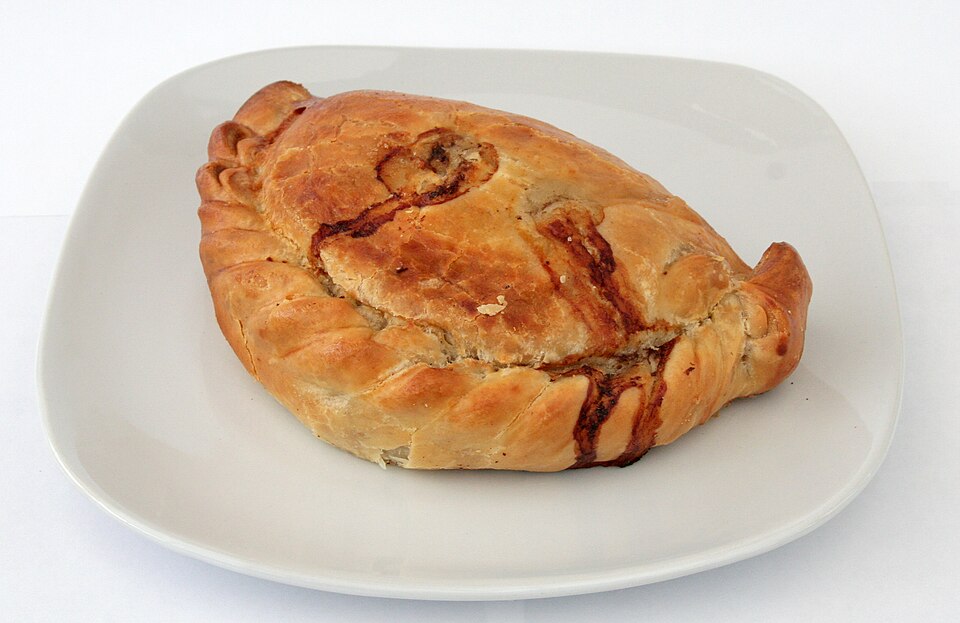
The pasty was the working lunch of Cornwall's tin miners and farm labourers: a complete meal in a sturdy pastry case that could be carried underground and eaten by hand. The traditional filling is simple and goes into the pastry raw: beef (usually skirt), potato, swede and onion, seasoned with salt and pepper. It steams in its own juices as it bakes.
Since 2011, "Cornish pasty" has been a protected name (PGI). A pasty sold under that name must be made in Cornwall to the traditional recipe, D-shaped and crimped along one side. At home you can make it exactly the same way. In Cornwall, swede is often called "turnip", which is why many family recipes list turnip.
Ingredients
Pastry
- 500gstrong white bread flour, plus extra for rolling
- 1tspfine salt
- 120glard, cold, cubed
- 25gunsalted butter, cold, cubed
- 175mlcold water
Filling
- 400gbeef skirt, trimmed and cut into small pieces
- 400gfloury potatoes, peeled
- 200gswede, peeled
- 150gonion
- salt and plenty of ground black pepper
- 1egg, beaten, to glaze
Equipment
Shop links are affiliate links (disclosure).
- Digital kitchen scalesHow to chooseShop on Amazon UK(affiliate link, opens in a new tab)
- Rolling pinHow to chooseShop on Amazon UK(affiliate link, opens in a new tab)
- Chef's knifeHow to chooseShop on Amazon UK(affiliate link, opens in a new tab)
- Baking trayBrowseShop on Amazon UK(affiliate link, opens in a new tab)
- Pastry brushBrowseShop on Amazon UK(affiliate link, opens in a new tab)
Method
Pastry
- 1
Mix the flour and salt in a large bowl. Rub in the lard and butter with your fingertips until the mixture looks like breadcrumbs, then add the water and bring it together into a firm dough. Knead briefly until smooth, wrap and chill for at least 1 hour. The strong flour gives the pastry the strength to hold the filling.
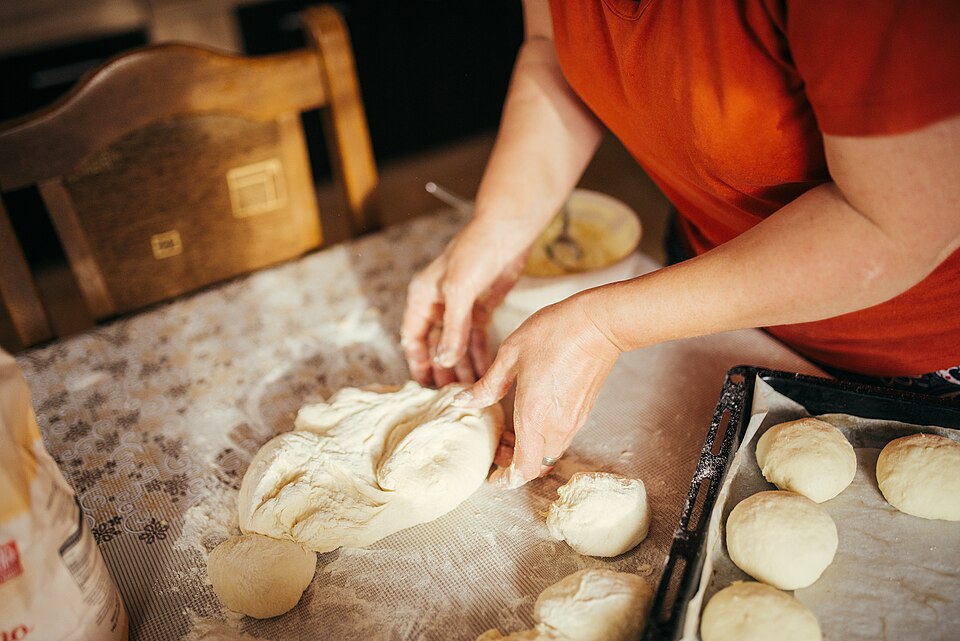
Photo: Shixart1985 · CC BY 2.0 (cropped)
Filling and shaping
- 1
Slice the potato and swede thinly (about 3 mm) into small, irregular pieces. Chop the onion. Keep everything raw.
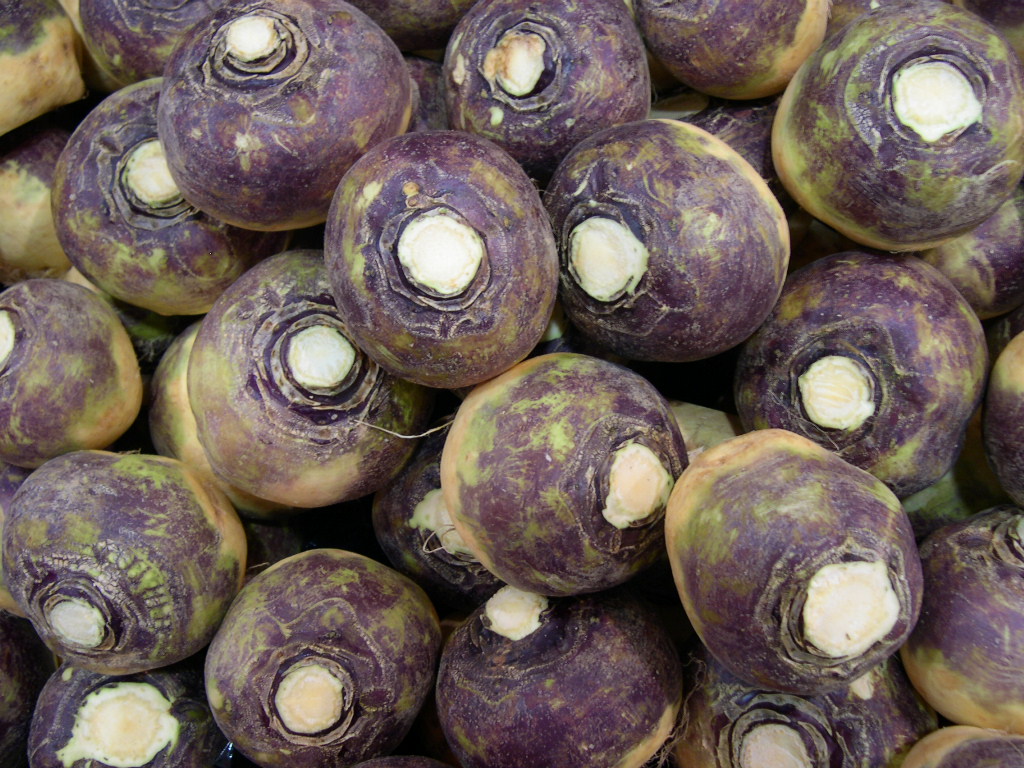
Photo: pin add · CC BY 2.0 (cropped) - 2
Heat the oven to 200°C / 180°C fan / gas 6. Divide the pastry into four and roll each piece out on a floured surface to a round about 22 cm across (a side plate is a good guide).
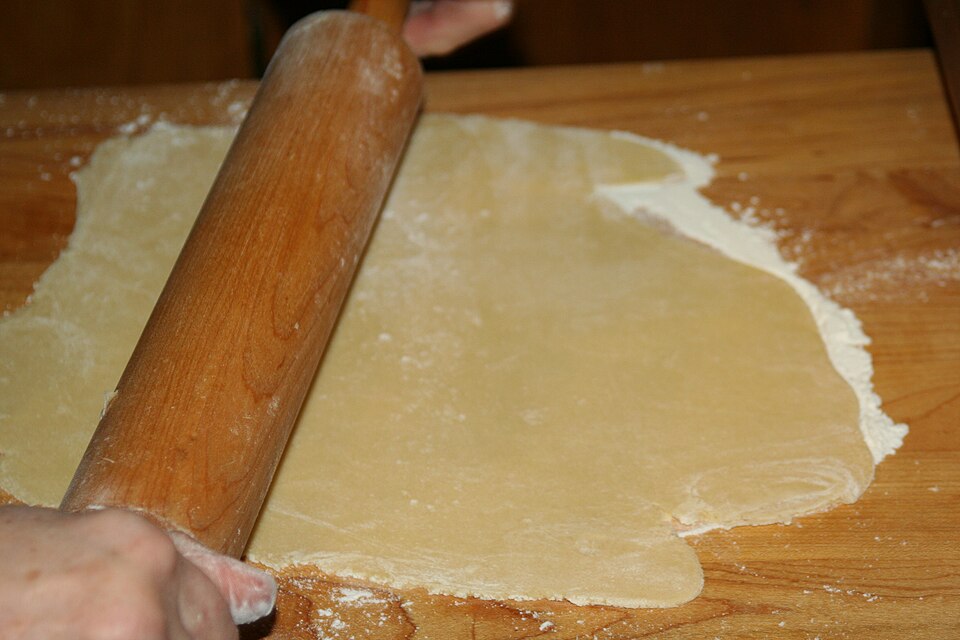
Photo: NorskPower · CC BY 3.0 (cropped) - 3
Layer the filling across the middle of each round: potato and swede first, then onion, then the beef, seasoning each layer generously with salt and pepper.
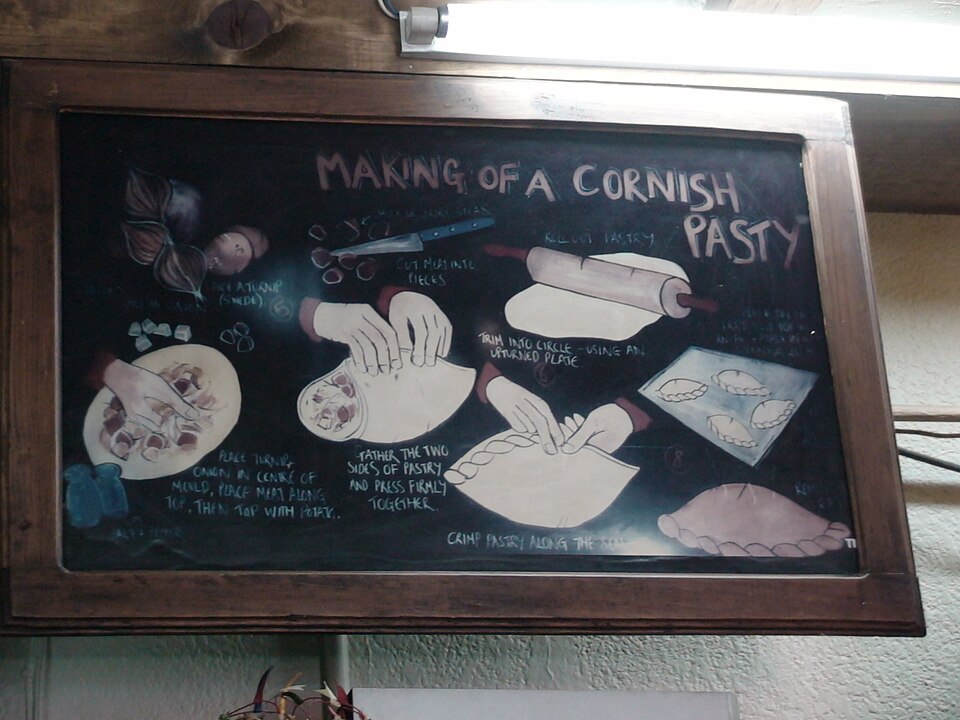
Photo: Rory Finneren · CC BY 2.0 (cropped) - 4
Brush the edge with beaten egg, fold the pastry over into a half-moon and press the edges together. Crimp by folding the edge over itself in small twists all the way along. Cut a small steam hole in the top.
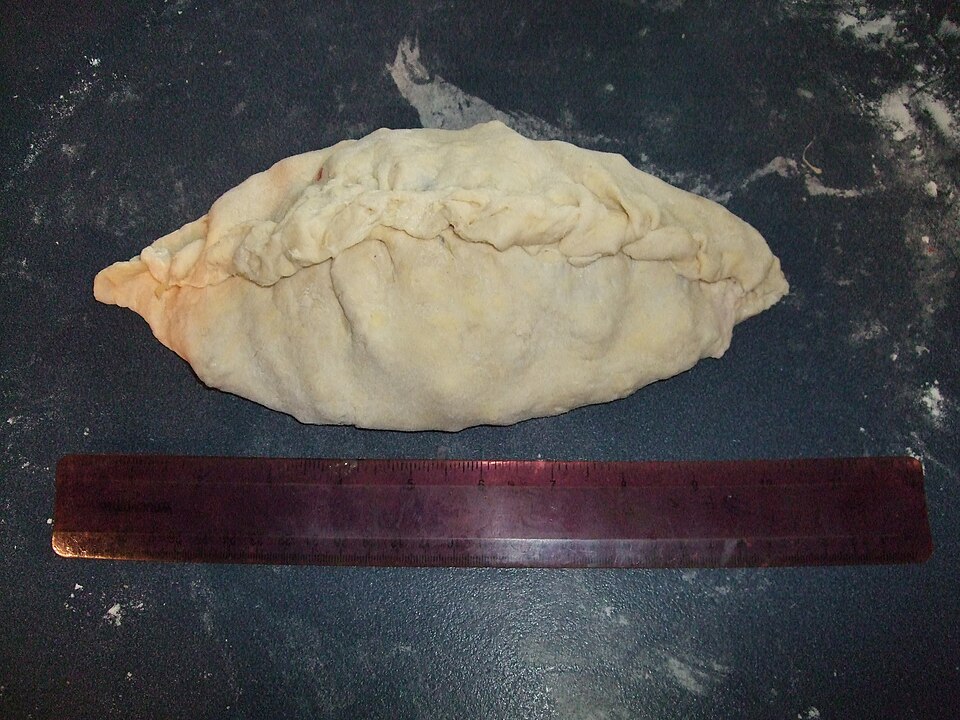
Photo: Nasier Alcofribas · CC BY-SA 3.0 (cropped) - 5
Brush all over with egg and bake for 15 minutes, then turn the oven down to 170°C / 150°C fan / gas 3 and bake for a further 35–40 minutes until deep golden. Rest for 10 minutes before eating: the filling is very hot.
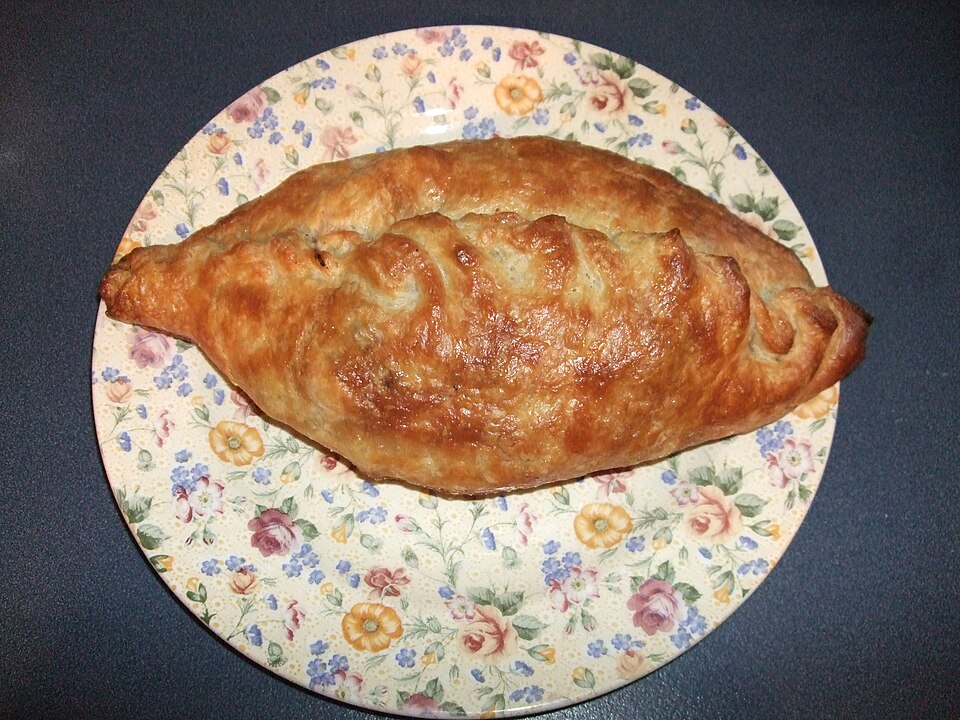
Photo: Nasier Alcofribas · CC BY-SA 3.0 (cropped)
Tips
Why raw filling? The beef, potato and onion release their juices as they cook and make their own gravy inside the case. Pre-cooked filling makes a drier pasty.
Make ahead: assemble and freeze the unbaked pasties, then bake from frozen, adding about 15 minutes.
If it goes wrong
| Problem | Likely cause | Fix |
|---|---|---|
| Pastry split during baking | Rolled too thin, or overfilled | Keep the pastry about 4 mm thick and leave a 2 cm border |
| Vegetables still hard | Cut too thick | Slice potato and swede thinly: they cook only in the steam inside the case |
| Soggy base | Oven too cool at the start | Start hot, then turn down, and bake on a preheated tray |
Guides for this recipe
Buying guide
Rolling Pins: Which Type Is Best for Pastry?
Buying guide
Vegetable Peelers: Swivel or Y-Peeler?
Buying guide
Chef's Knives: How to Choose One
Buying guide
Chopping Boards: Wood or Plastic?
Buying guide
Pie Funnels and Pie Dishes: A Traditional British Guide
How-to
Essential Equipment for British Baking
Buying guide
Kitchen Scales for Baking: What to Look For
More English Food recipes
Recipe · 30 min
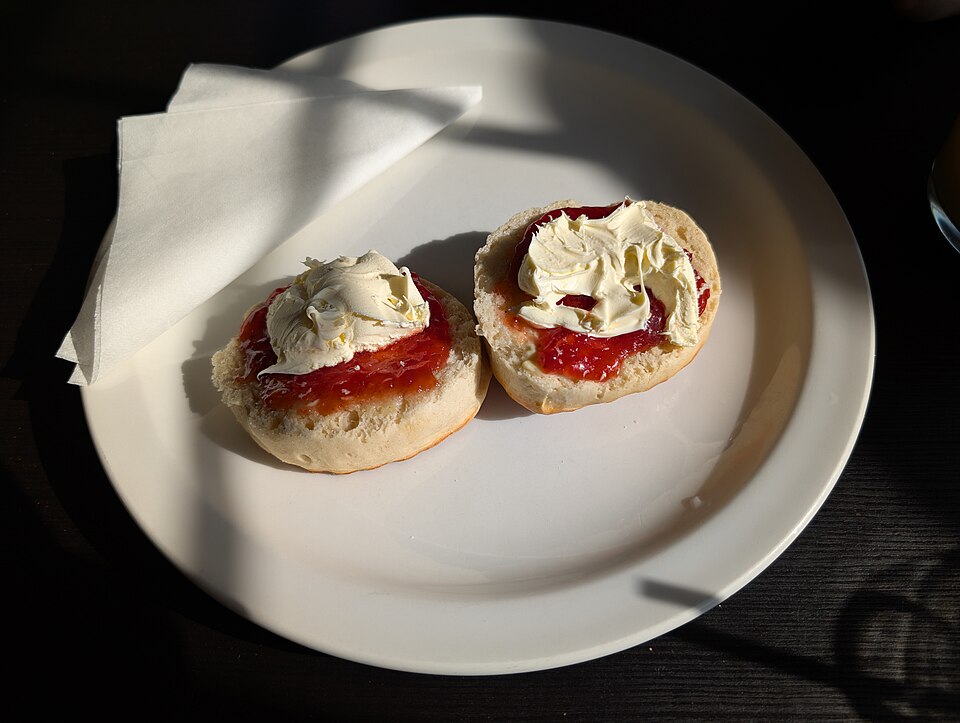
Classic British Scones
Tall, light scones for afternoon tea or a cream tea, ready in about 30 minutes.
Recipe · 30 min
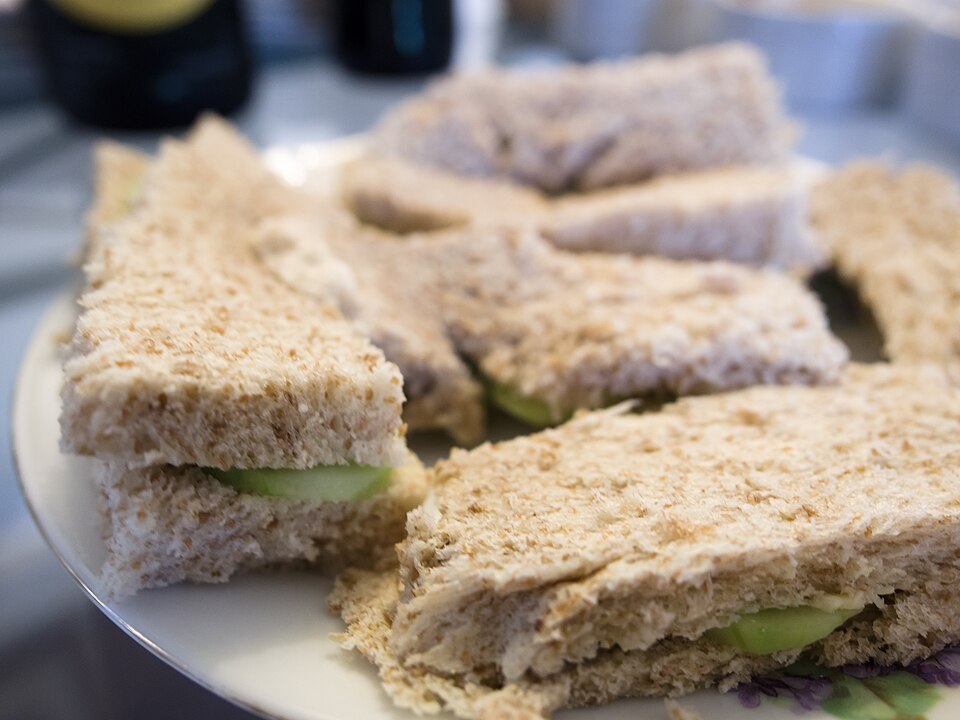
Cucumber Sandwiches
The essential afternoon tea sandwich: thin, crisp and never soggy.
Recipe · 1 hr 15 min
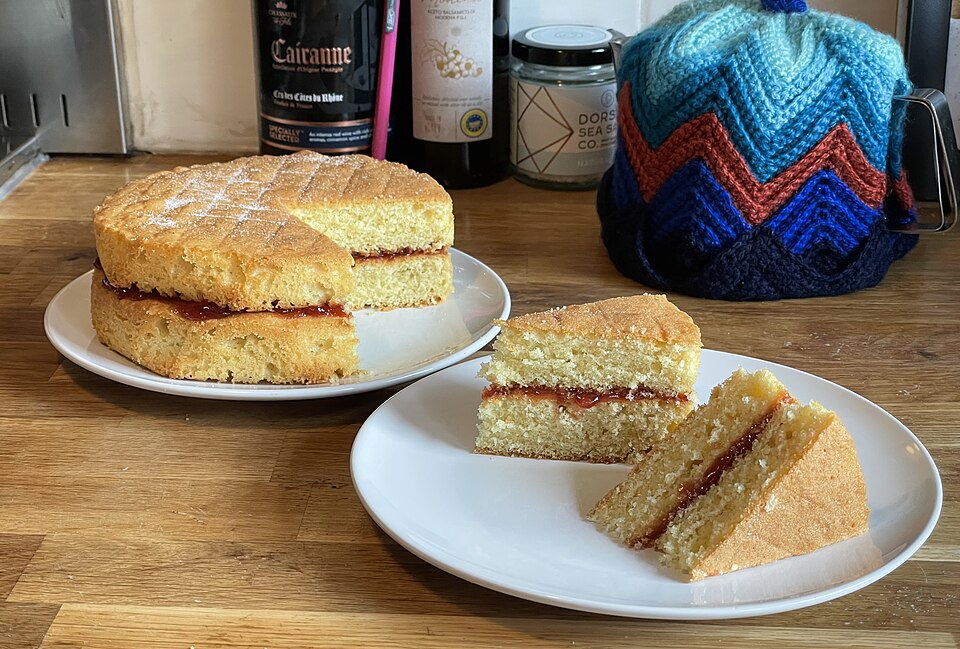
Victoria Sponge
The classic two-layer sponge with jam and buttercream, named after Queen Victoria.