Buying guide
Rolling Pins: Which Type Is Best for Pastry?
Straight, tapered, handled or marble: how each rolling pin handles pastry, biscuits and bread.
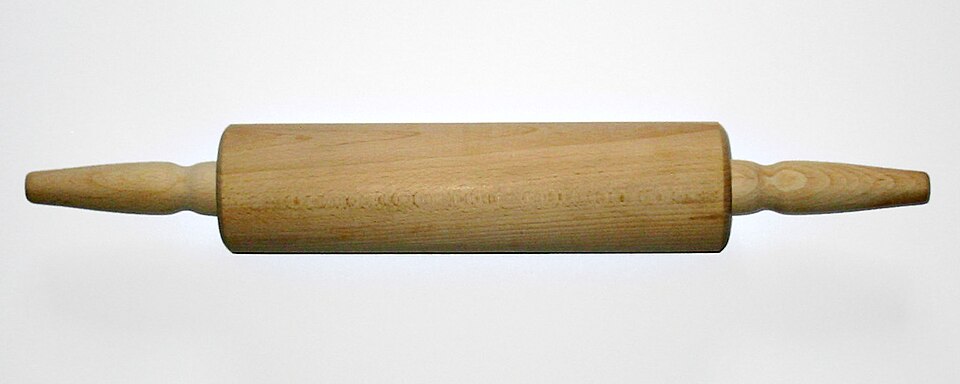
A rolling pin is one of the oldest tools in the British kitchen, and still one of the most personal. The right one depends on what you roll most: pastry, biscuits or dough.
Our shortlist
Shortlist in progress
We only list products once their specifications have been checked against the manufacturer or retailer. Until then, use the criteria above to compare what's available.
Where to buy
Browse current options and prices at the retailer. These are affiliate links: we may earn a commission, at no cost to you (disclosure).
The main types
| Type | Feel | Best for |
|---|---|---|
| Straight (dowel) | Even pressure, very controllable | Pastry, biscuits: the most versatile |
| Tapered ("French") | Pivots easily for rounds | Pie cases and circles |
| Handled | Familiar, less hand contact | Beginners; large quantities |
| Marble | Heavy, stays cool | Butter-rich pastry in a warm kitchen |
What to look for
- Length: at least 40 cm lets you roll a full sheet without the ends marking the dough.
- Material: hardwood (such as beech or maple) is the classic choice; unfinished wood holds a dusting of flour well.
- Weight: heavier pins do more work for you, but are harder to control on delicate pastry.
Care
Wipe wooden pins with a damp cloth and dry them straight away. Never soak them or put them in the dishwasher.
How we choose
BeneRecipes compares tools using manufacturer specifications and retailer listings. We have not tested these products ourselves and don't publish star ratings. We explain which type suits which cook and why.
Some links are affiliate links: if you buy through them we may earn a commission, at no extra cost to you. See our affiliate disclosure.
Recipes to go with it
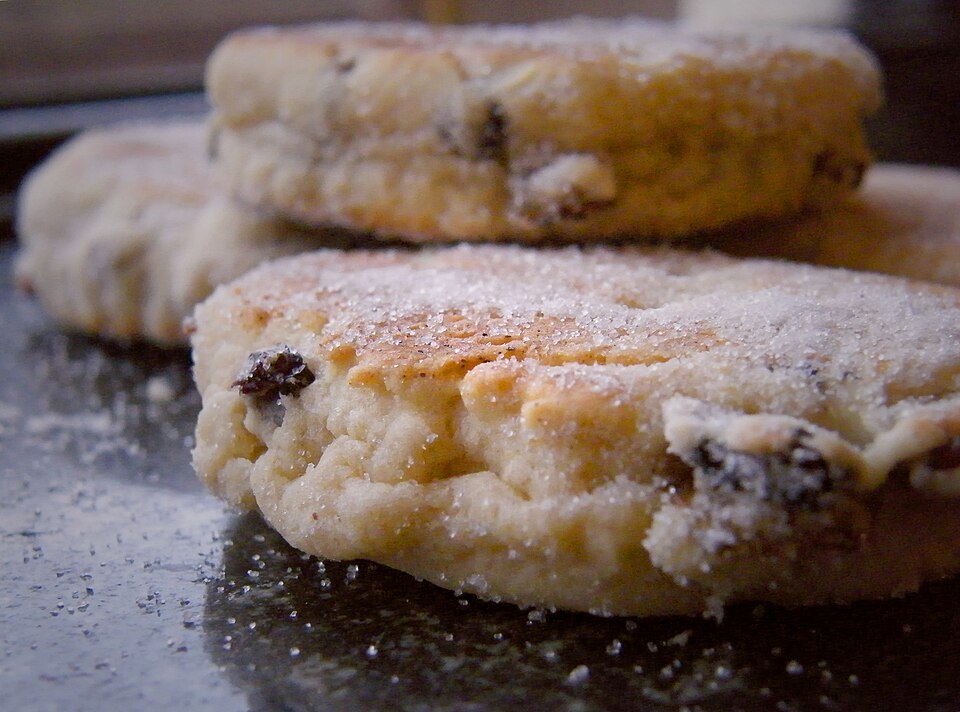
Recipe · 40 min
Welsh Cakes
Currant-studded griddle cakes, cooked on a bakestone and dusted with sugar.
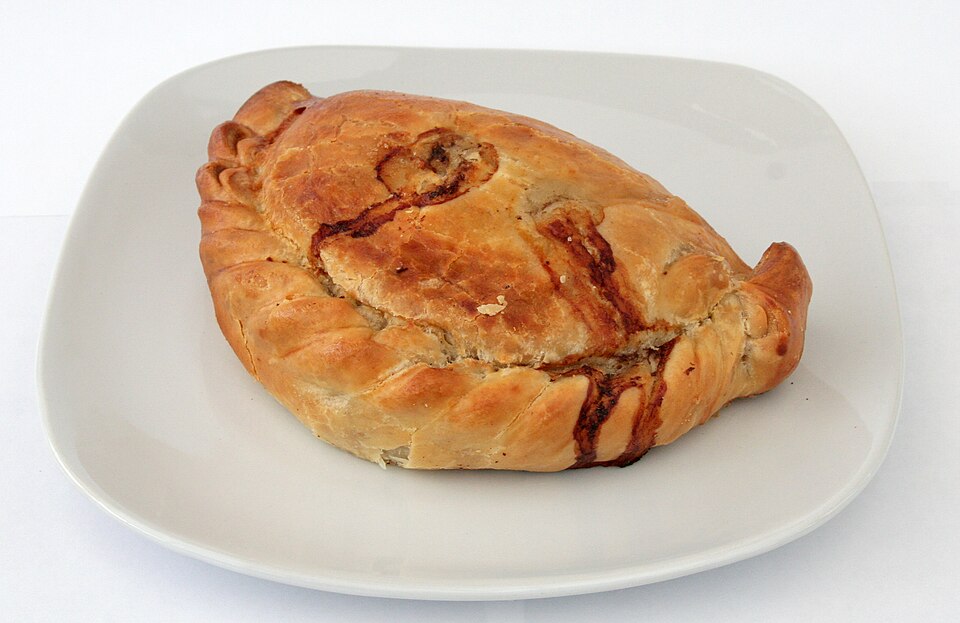
Recipe · 2 hr 45 min
Cornish Pasty
Beef skirt, potato, swede and onion, baked raw inside a crimped pastry case: the traditional way.
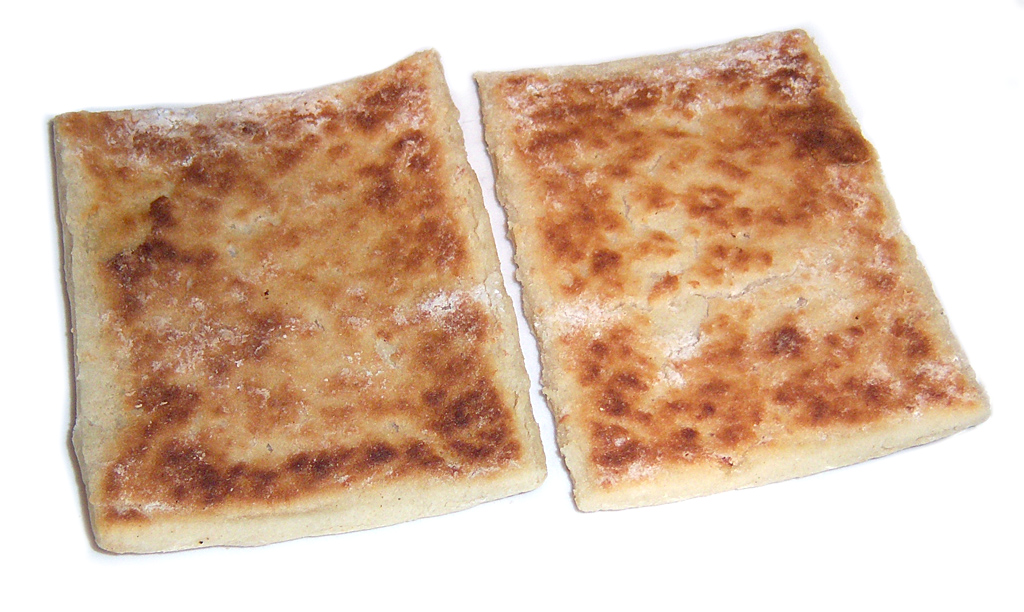
Recipe · 55 min
Potato Bread (Potato Farls)
Soft, thin griddle bread made from mashed potato and a little flour, cut into farls and fried for the Ulster fry.