Buying guide
Pastry Brushes: Natural Bristle or Silicone?
The small tool that gives pasties, pies and scones their golden glaze. Which type to choose and how to care for it.
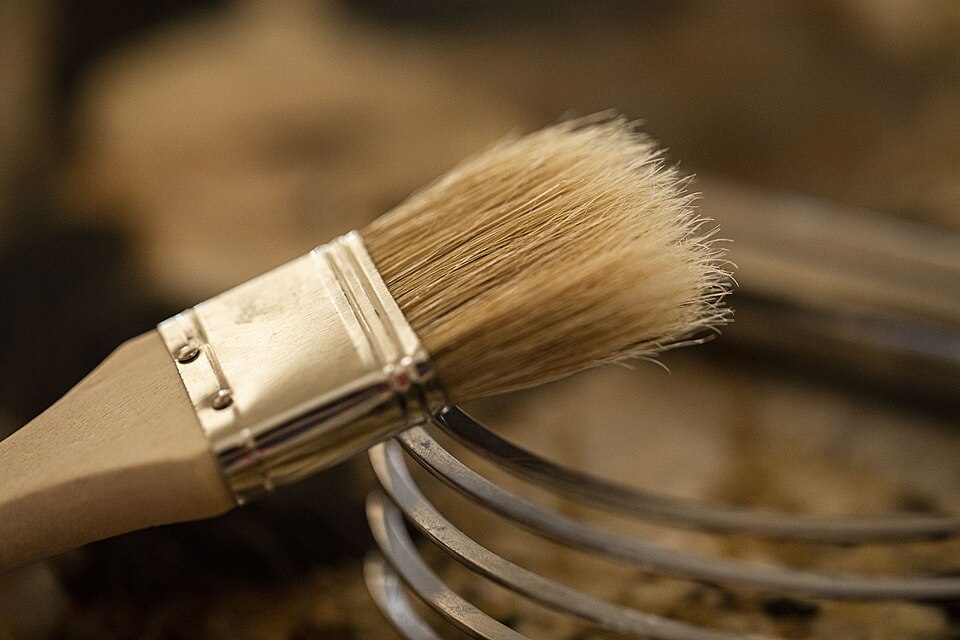
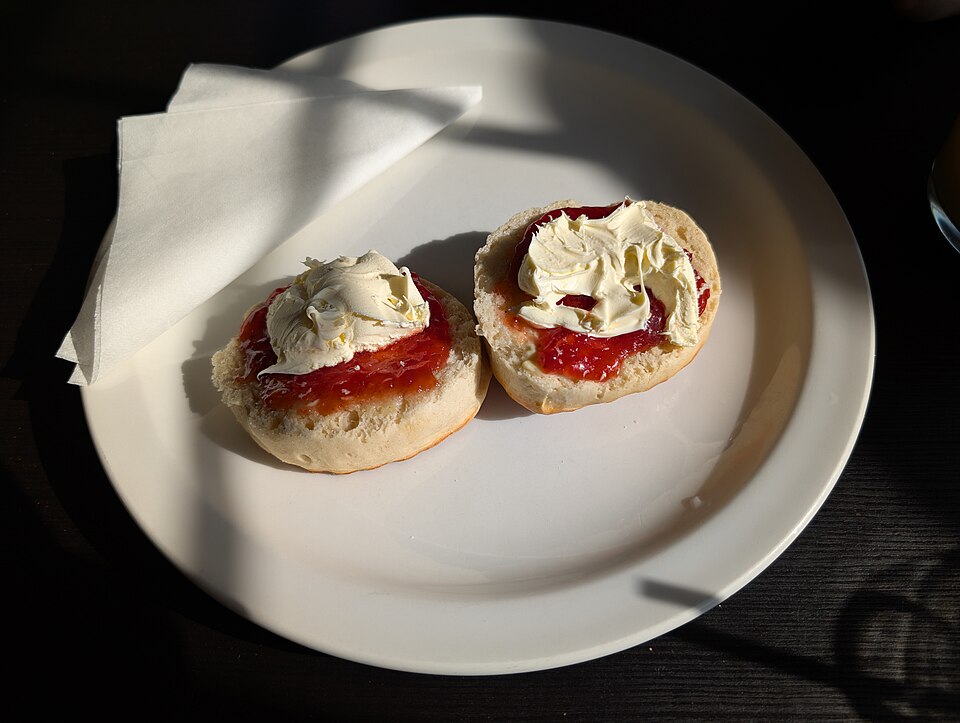
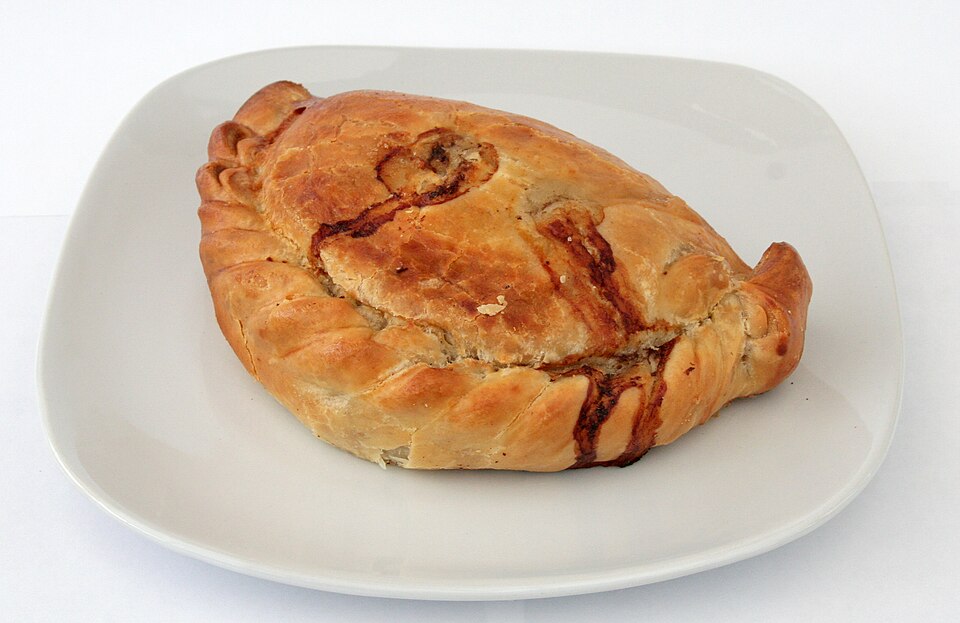
A pastry brush spreads egg wash, milk, butter or syrup in a thin, even layer. That thin layer is what makes a Cornish pasty or a batch of scones shine.
Our shortlist
Shortlist in progress
We only list products once their specifications have been checked against the manufacturer or retailer. Until then, use the criteria above to compare what's available.
Where to buy
Browse current options and prices at the retailer. These are affiliate links: we may earn a commission, at no cost to you (disclosure).
Bristle or silicone?
| Natural bristle | Silicone | |
|---|---|---|
| Finish | Thin, even coat; gentle on delicate pastry | Coarser coat |
| Heat | Not for very hot pans or grills | Heat-resistant |
| Cleaning | Hand-wash; dry bristles-down; can hold smells | Dishwasher-safe; doesn't hold odours |
| Shedding | Cheaper brushes can shed bristles | No shedding |
Look for
- Width about 3–4 cm for most jobs.
- Bristles firmly fixed in the ferrule.
- A handle that doesn't trap water.
Tip
Brush egg wash only on top of pastry, not down the cut sides of scones: it glues the layers and stops them rising.
How we choose
BeneRecipes compares tools using manufacturer specifications and retailer listings. We have not tested these products ourselves and don't publish star ratings. We explain which type suits which cook and why.
Some links are affiliate links: if you buy through them we may earn a commission, at no extra cost to you. See our affiliate disclosure.