Occasion
Afternoon Tea
Plan it, bake it, set the table: a complete guide to afternoon tea at home.
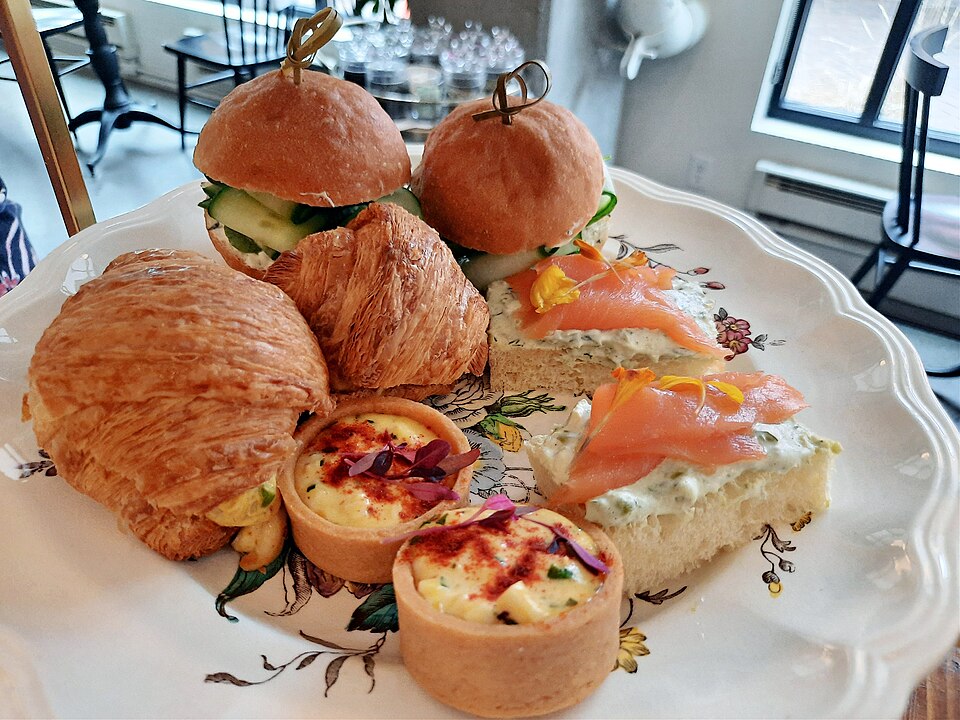
Afternoon tea is usually traced to the 1840s, when Anna Russell, Duchess of Bedford, took tea and a light meal in the late afternoon to bridge the long gap before dinner. Today it is the most British of occasions: finger sandwiches, scones with jam and clotted cream, and small cakes, served on a tiered stand with a pot of tea.
Plan your quantities
On the stand
Shopping & prep
How we calculate this
- Per guest: 3 / 4 / 5 finger sandwiches, 1 / 1.5 / 2 scones and 2 / 2.5 / 3 small cakes for light / normal / hearty appetites.
- One round of sandwiches (two slices) makes three fingers once the crusts are off; a large 800 g loaf gives about 20 usable slices.
- Allow 30 g clotted cream and 20 g jam per scone, 2.5 cups of tea per guest (about 200 ml a cup), 2.5 g loose tea and 25 ml milk per cup.
- These are our editorial rules of thumb. Adjust them to your guests.
Recipes
Afternoon Tea recipes
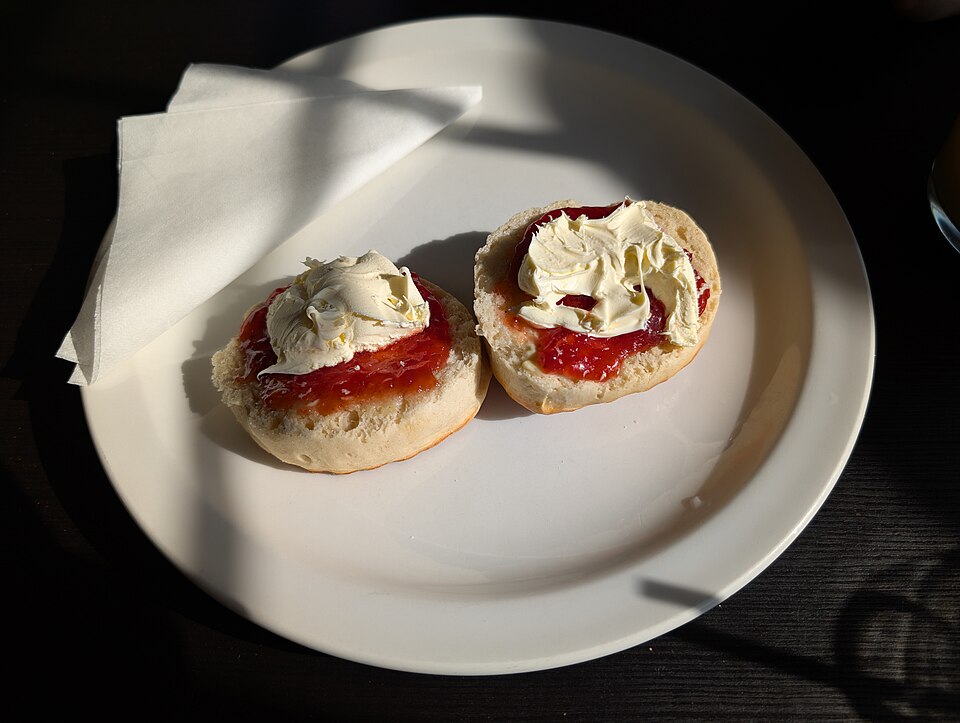
Recipe · 30 min
Classic British Scones
Tall, light scones for afternoon tea or a cream tea, ready in about 30 minutes.
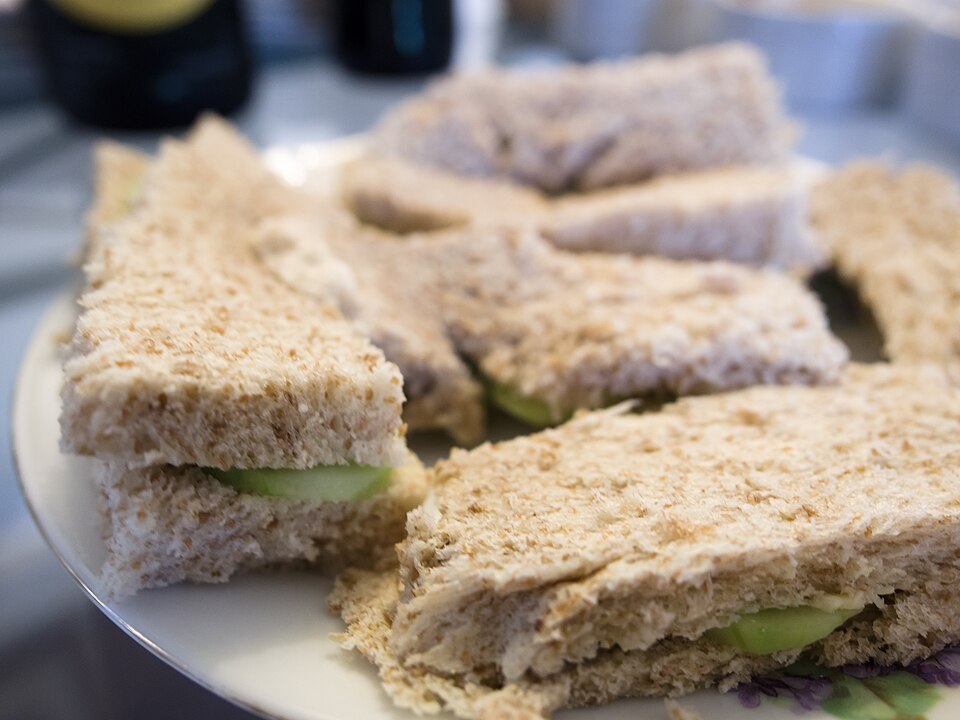
Recipe · 30 min
Cucumber Sandwiches
The essential afternoon tea sandwich: thin, crisp and never soggy.
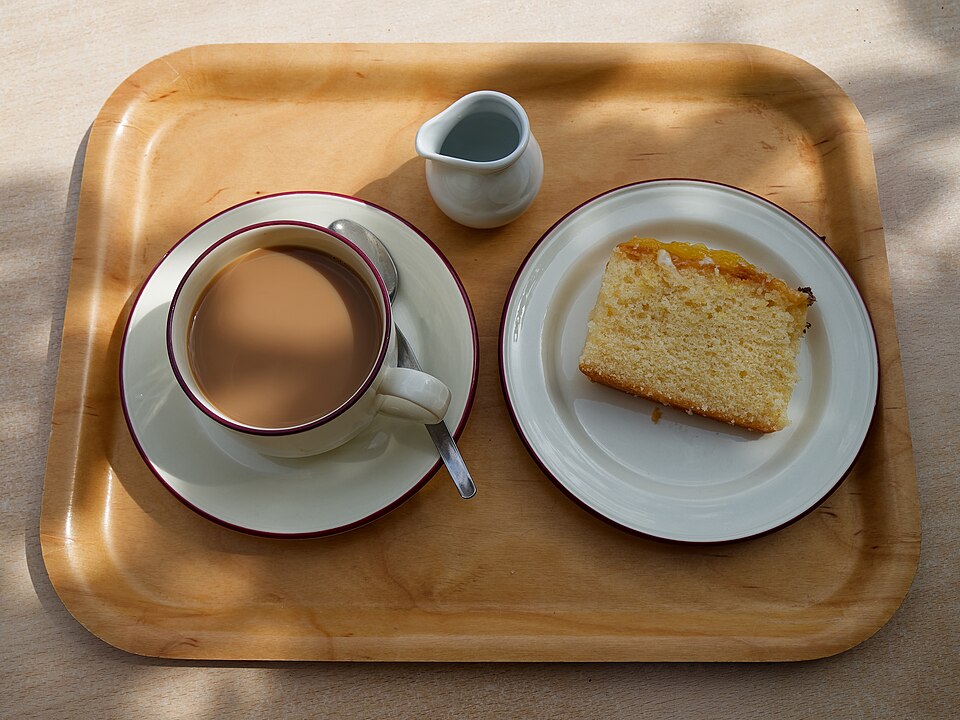
Recipe · 1 hr 30 min
Lemon Drizzle Cake
A soft lemon loaf soaked with a crunchy sugar-and-lemon drizzle while still warm.
Recipe · 1 hr 5 min
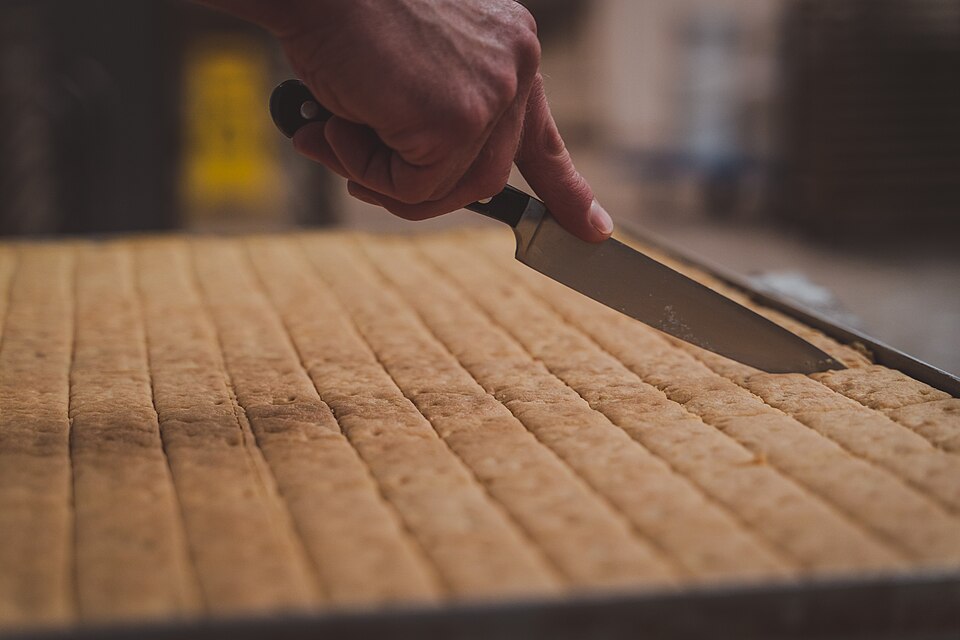
Scottish Shortbread
Three ingredients, one ratio: pale, crumbly, buttery shortbread.
Recipe · 1 hr 15 min
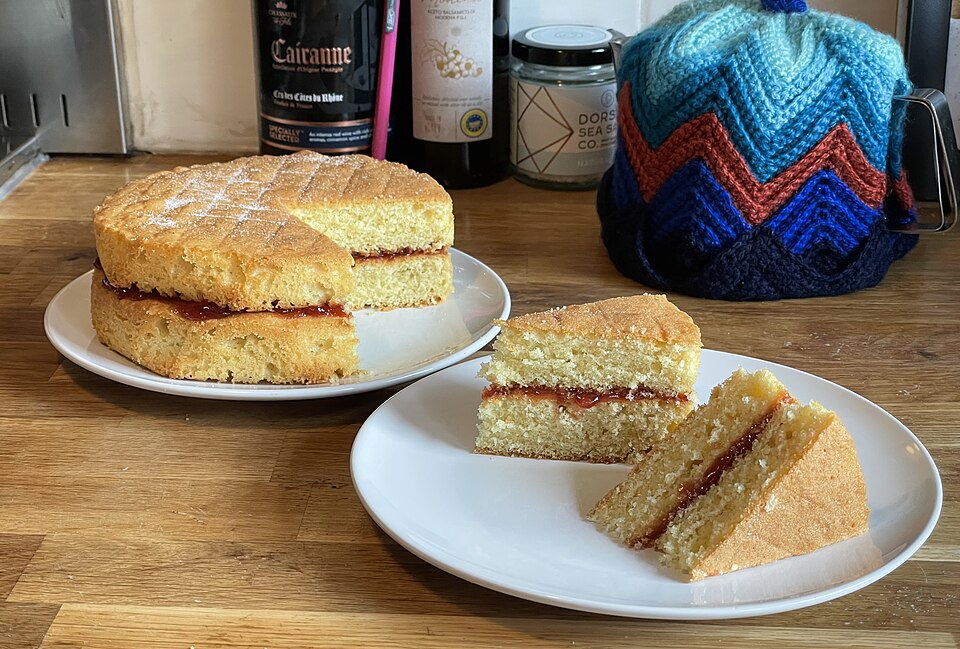
Victoria Sponge
The classic two-layer sponge with jam and buttercream, named after Queen Victoria.
Recipe · 40 min
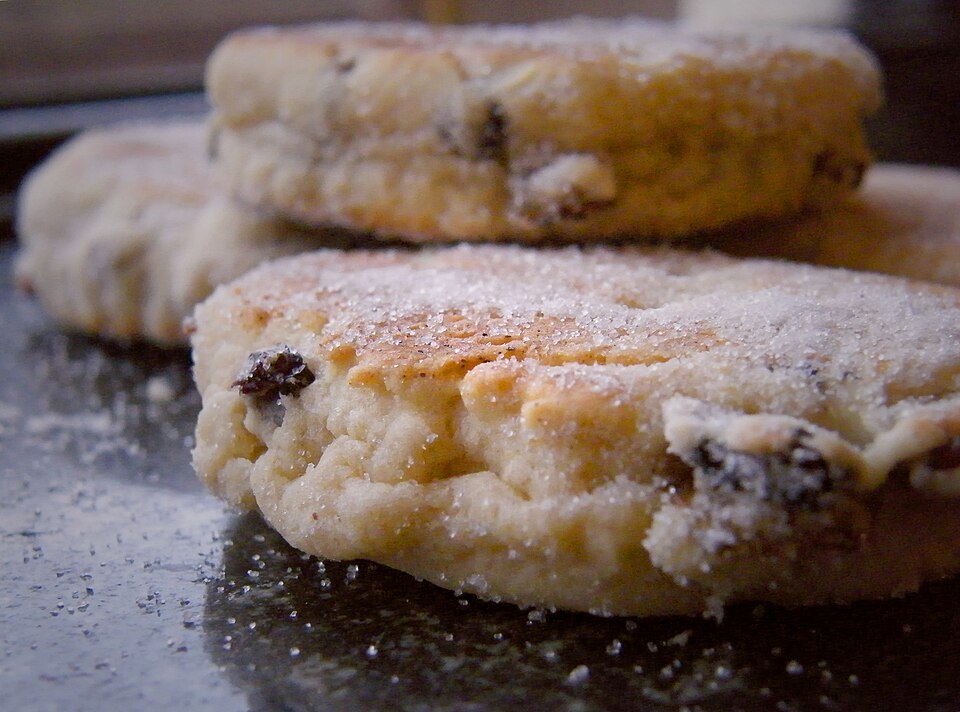
Welsh Cakes
Currant-studded griddle cakes, cooked on a bakestone and dusted with sugar.
Guides
Know-how
Comparison
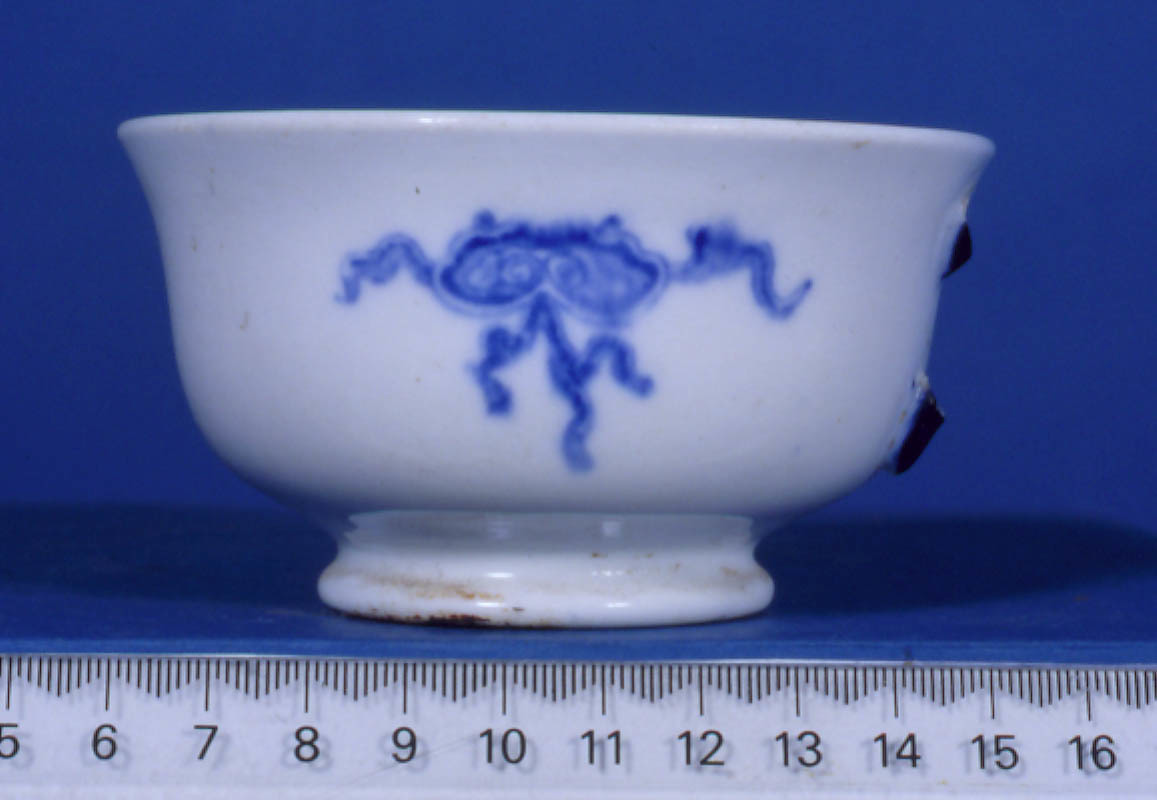
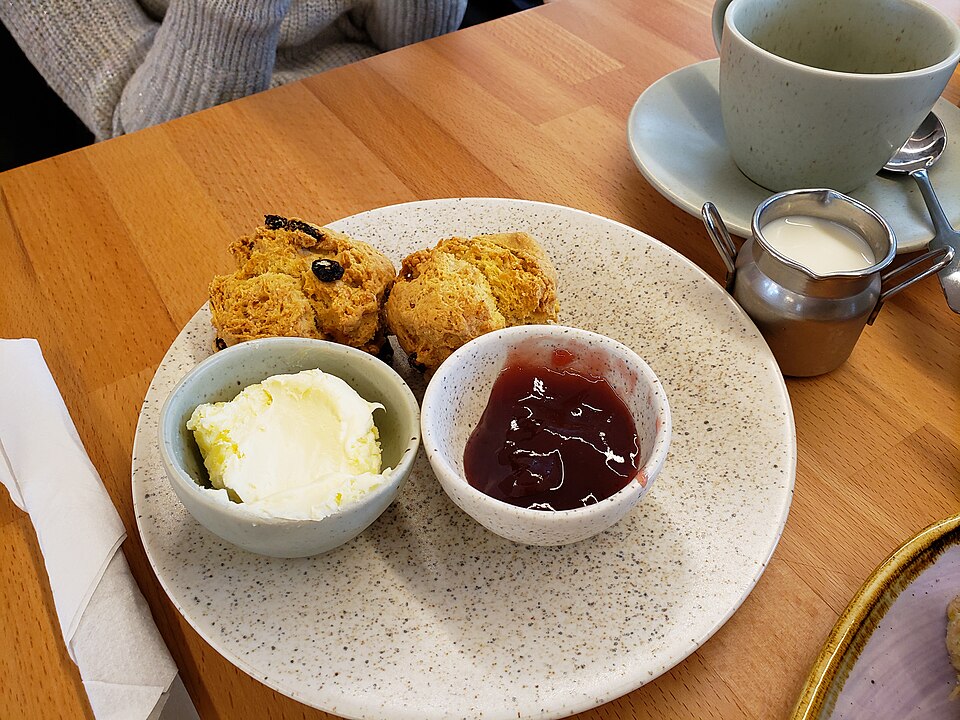
Bone China vs Porcelain vs Stoneware for Tea Sets
How the three materials differ in weight, strength, heat and care, and which to choose.
How-to
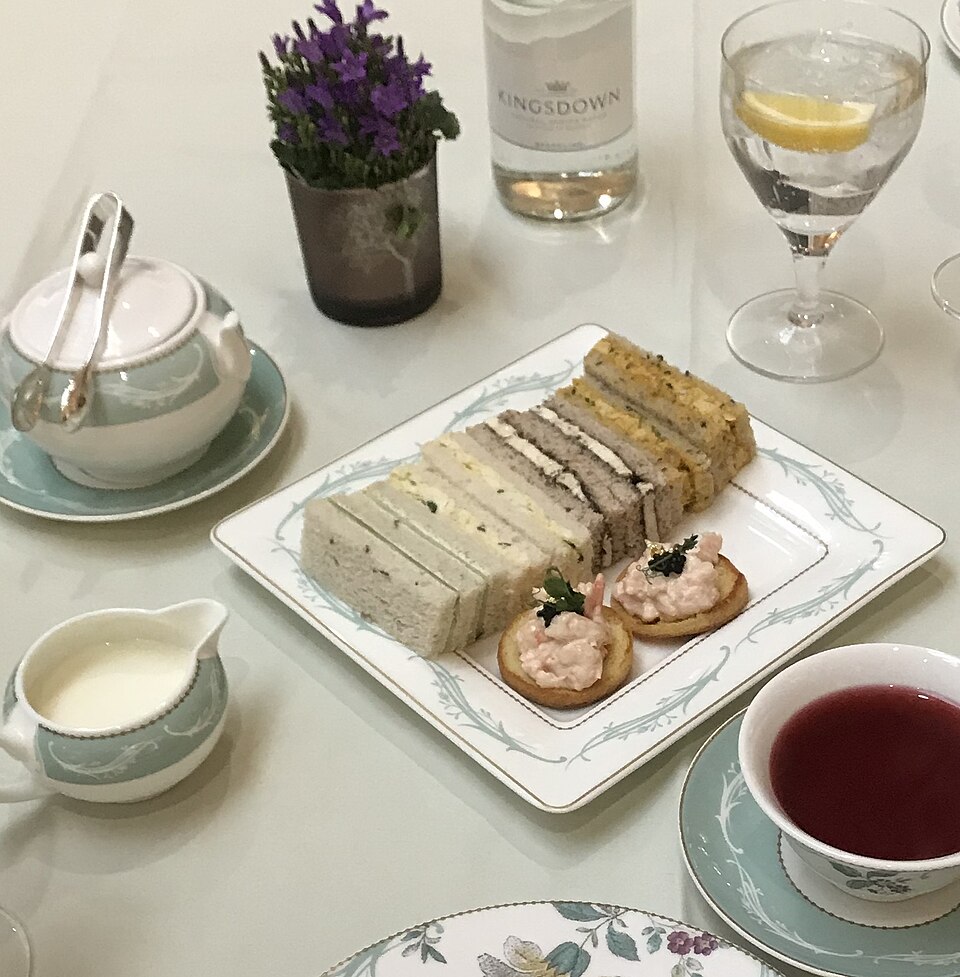
Afternoon Tea Menu Ideas
Classic, Scottish, Welsh and vegetarian menus, each built from three tiers.
How-to
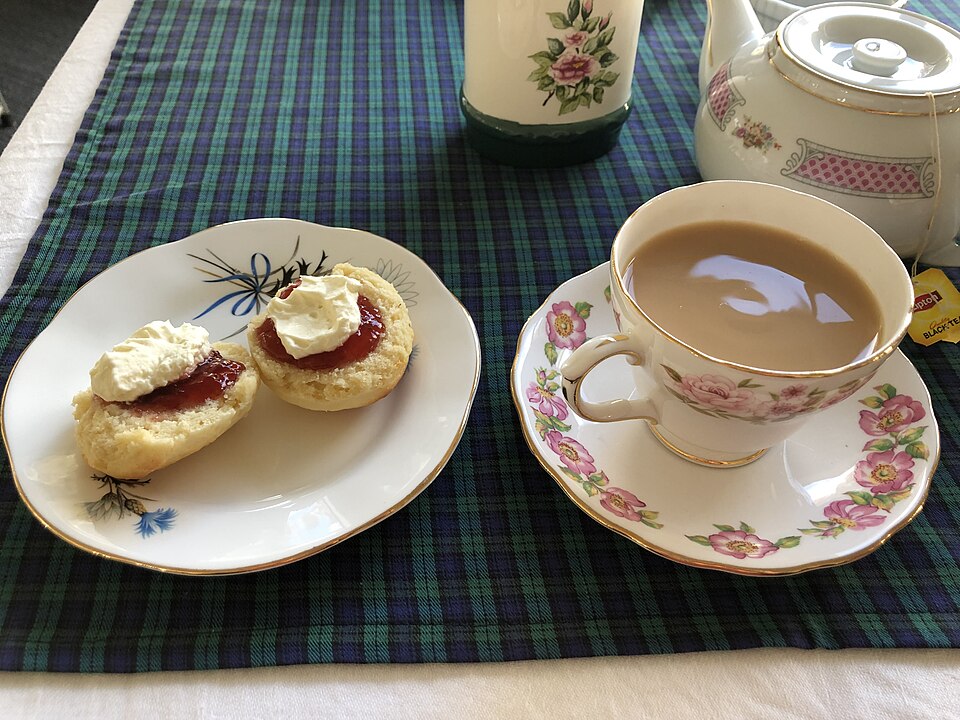
Afternoon Tea Sandwiches: Fillings, Quantities & Make-Ahead
How many to make per guest, the classic fillings, and how to keep them fresh.
How-to
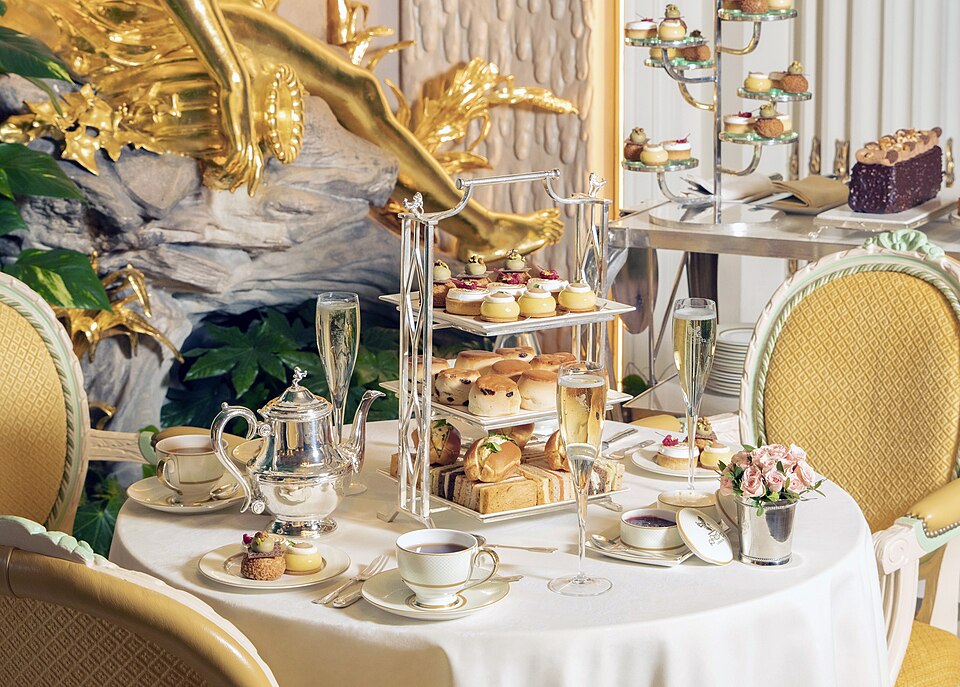
How to Host Afternoon Tea at Home
A countdown plan from two days before to the moment you pour, with quantities from our planner.
How-to
How to Set an Afternoon Tea Table
Place settings, where the teapot goes, and a printable checklist for the table.
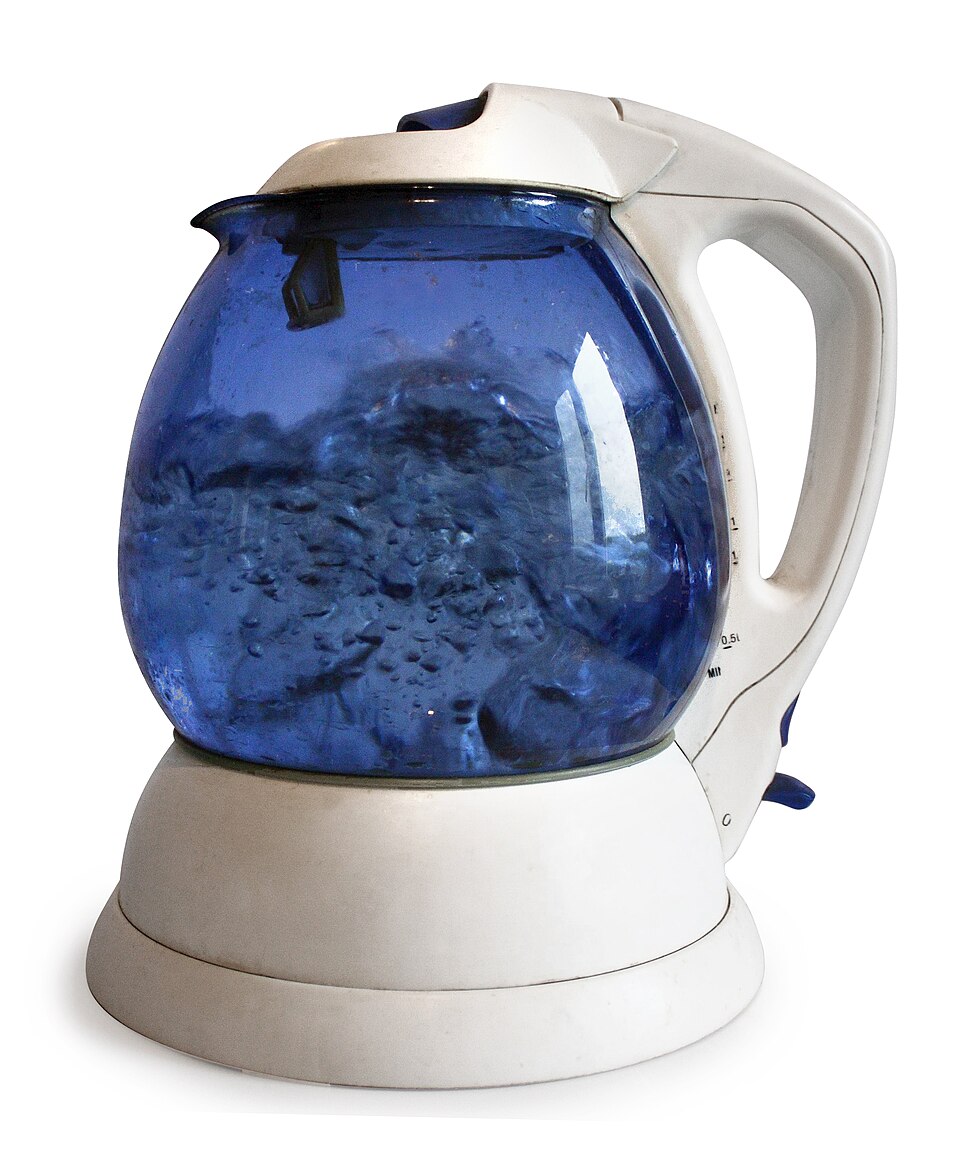
Kitchen design
How to Create a Tea Station in Your Kitchen
A dedicated corner for the kettle, teapot and cups: how to plan a tea station that makes every brew easier.
Kitchen & table
What you'll need
The three tiers
The convention is savoury to sweet, bottom to top: sandwiches on the bottom tier, scones in the middle, cakes and pastries on top. Guests work upwards.
Afternoon tea, cream tea, high tea
| Afternoon tea | Cream tea | High tea | |
|---|---|---|---|
| Food | Sandwiches, scones, cakes | Scones, jam, clotted cream | A substantial evening meal |
| Time | Mid-afternoon | Any time | Early evening |
| Setting | Low table or dining table | Café, tea room | Dining table |
Part of British Isles cuisine.