Buying guide
Whisks: Balloon, Flat or Silicone?
Which whisk to use for cream, sauces and batters, and why the shape matters.
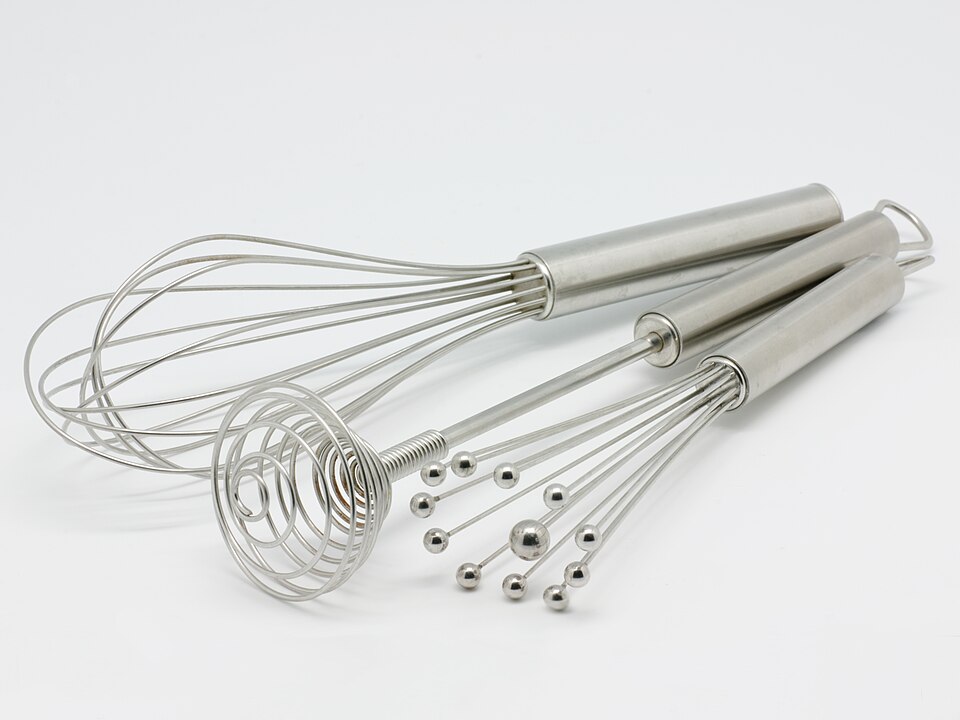
The shape of a whisk decides what it is good at: lots of loose wires trap air; flatter shapes reach into the corners of a pan.
Our shortlist
Shortlist in progress
We only list products once their specifications have been checked against the manufacturer or retailer. Until then, use the criteria above to compare what's available.
Where to buy
Browse current options and prices at the retailer. These are affiliate links: we may earn a commission, at no cost to you (disclosure).
Types
| Whisk | Best for |
|---|---|
| Balloon | Whipping cream and egg whites: the wide wires beat in air quickly |
| French (narrower) | Batters and sauces in bowls and jugs |
| Flat (roux) | Sauces and gravy in a pan: reaches the edges and stops lumps |
| Silicone-coated | Non-stick pans, which bare metal can scratch |
Look for
- Sturdy wires that spring back.
- A sealed handle, so water can't get trapped inside.
- A size to suit your bowls: about 25–30 cm is a good all-rounder.
Tip
For cranachan, whip the cream by hand with a balloon whisk: you are far less likely to over-whip it than with an electric mixer.
How we choose
BeneRecipes compares tools using manufacturer specifications and retailer listings. We have not tested these products ourselves and don't publish star ratings. We explain which type suits which cook and why.
Some links are affiliate links: if you buy through them we may earn a commission, at no extra cost to you. See our affiliate disclosure.
Recipes to go with it
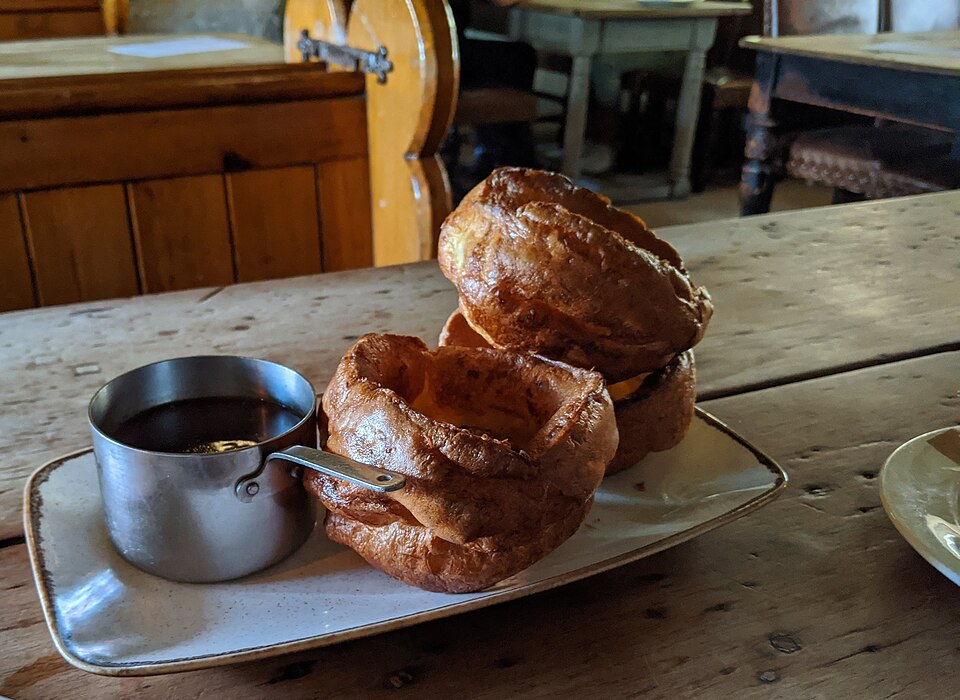
Recipe · 1 hr 5 min
Yorkshire Puddings
Tall, crisp Yorkshires: a simple batter, very hot fat, and an oven door kept shut.
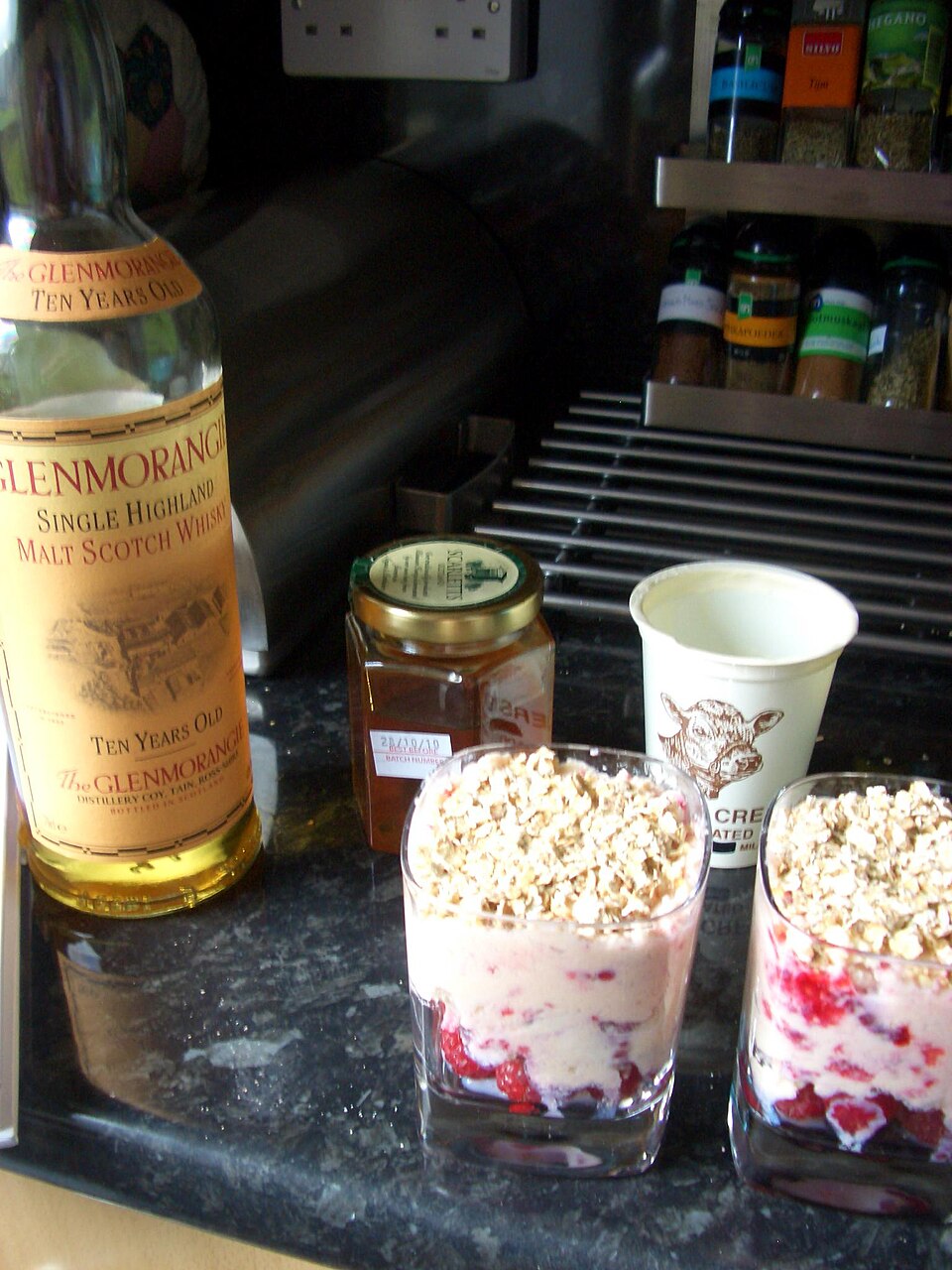
Recipe · 25 min
Cranachan
Toasted oats, whisky-and-honey cream and fresh raspberries: the Scottish summer pudding that ends a Burns supper.
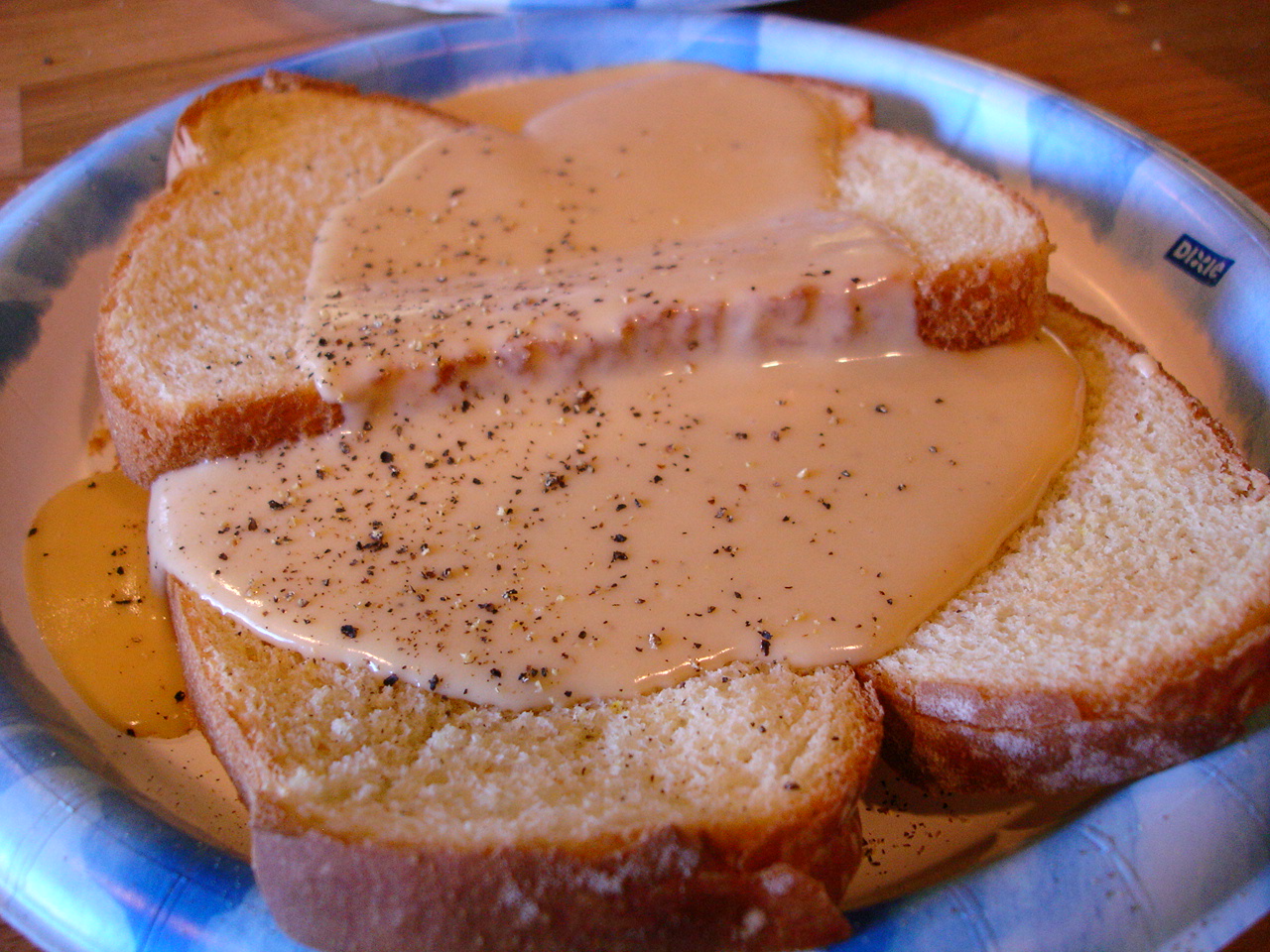
Recipe · 20 min
Welsh Rarebit
A savoury sauce of cheese, ale and mustard, spread on toast and grilled until bubbling and golden.