Buying guide
Frying Pans and Skillets: Cast Iron, Steel or Non-Stick?
Which frying pan to use for an Ulster fry, a steak or an omelette, and how to look after each type.
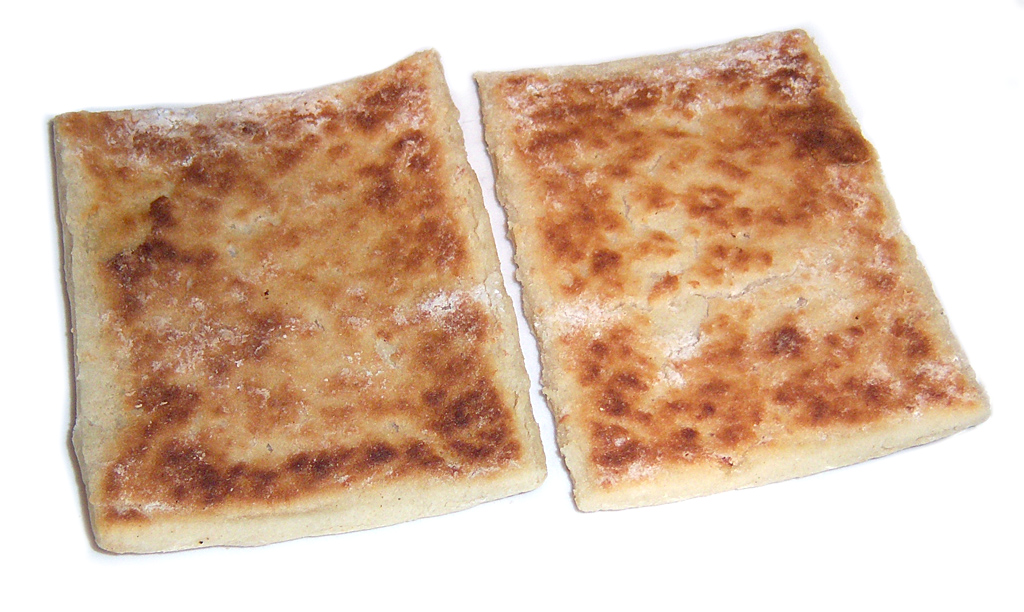
A good frying pan cooks the whole Ulster fry, from the bacon to the potato bread. The material decides how it browns, how it releases food, and how you care for it.
Our shortlist
Shortlist in progress
We only list products once their specifications have been checked against the manufacturer or retailer. Until then, use the criteria above to compare what's available.
Where to buy
Browse current options and prices at the retailer. These are affiliate links: we may earn a commission, at no cost to you (disclosure).
Types
| Pan | Strengths | Care |
|---|---|---|
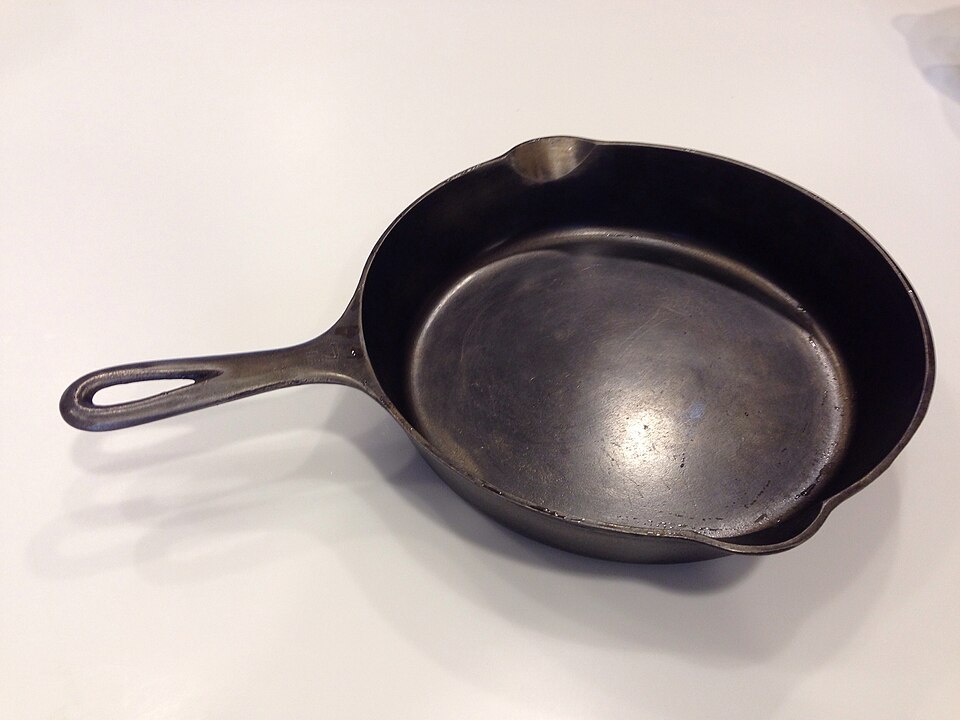
| Cast iron skillet | Holds heat, browns deeply, lasts for generations | Keep seasoned; dry straight away; heavy |
| Carbon steel | Lighter than cast iron, heats quickly, great browning | Needs seasoning like cast iron |
| Non-stick | Eggs, pancakes, delicate fish | Moderate heat only; replace when the coating wears |
| Stainless (clad) | Searing, pan sauces | Needs enough fat to prevent sticking |
Size
A 24–28 cm pan suits most households; a larger one fits a full breakfast for two.
Seasoning cast iron and carbon steel
Wash, dry completely, wipe with a very thin film of oil and heat until it stops smoking. Repeat now and then. The surface becomes naturally non-stick with use.
For flat breads and farls, a dedicated griddle is even better.
How we choose
BeneRecipes compares tools using manufacturer specifications and retailer listings. We have not tested these products ourselves and don't publish star ratings. We explain which type suits which cook and why.
Some links are affiliate links: if you buy through them we may earn a commission, at no extra cost to you. See our affiliate disclosure.