Buying guide
Roasting Tins: Choosing the Right Size and Material
How to choose a roasting tin that fits your oven and joints, and gives crisp roast potatoes.
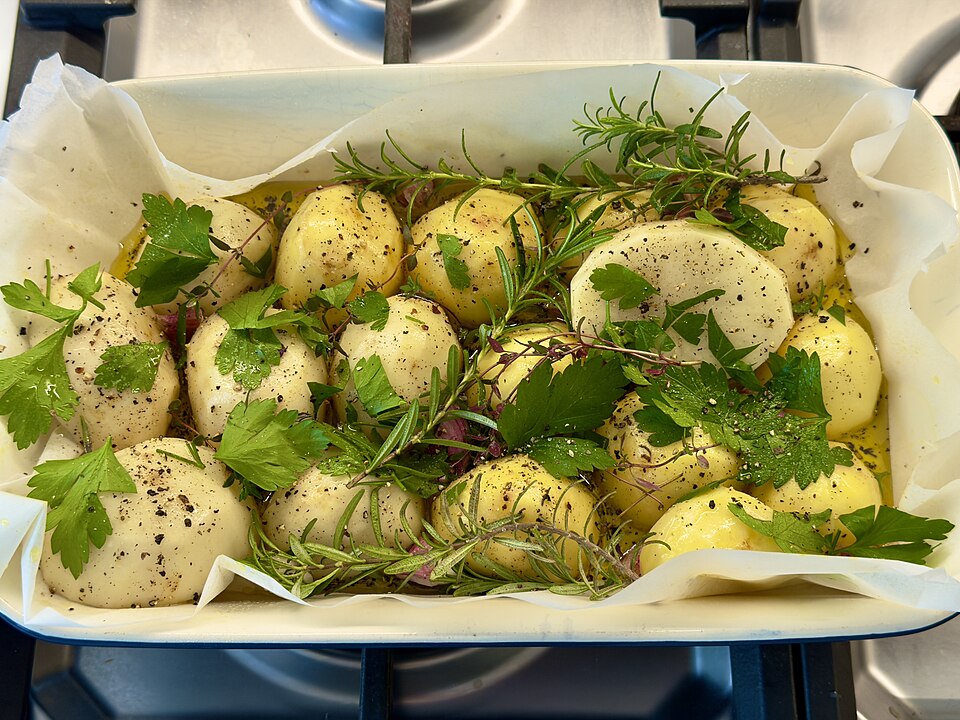
The roasting tin is the workhorse of the Sunday roast. Size matters most: too small and food steams; too large and the juices burn.
Our shortlist
Shortlist in progress
We only list products once their specifications have been checked against the manufacturer or retailer. Until then, use the criteria above to compare what's available.
Where to buy
Browse current options and prices at the retailer. These are affiliate links: we may earn a commission, at no cost to you (disclosure).
Materials
| Material | Pros | Cons |
|---|---|---|
| Heavy carbon steel | Browns well, great for potatoes | Needs drying to prevent rust unless coated |
| Stainless steel | Durable, good for making gravy in the tin on the hob | Food can stick without enough fat |
| Enamelled | Easy to clean, traditional | Enamel can chip |
| Non-stick | Easy release | Coating wears over time |
Size
- Leave a few centimetres of space around a joint or bird.
- Check that it fits your oven with the door closed, and that two tins can sit side by side if you roast potatoes separately.
Look for
- Heavy gauge, so it doesn't twist in a hot oven.
- Sturdy handles you can grip with oven gloves.
- A rack to lift meat out of the fat.
Many cooks own two: a deep tin for meat and a shallower one for roast potatoes.
How we choose
BeneRecipes compares tools using manufacturer specifications and retailer listings. We have not tested these products ourselves and don't publish star ratings. We explain which type suits which cook and why.
Some links are affiliate links: if you buy through them we may earn a commission, at no extra cost to you. See our affiliate disclosure.