Buying guide
Carving Knives and Forks for the Sunday Roast
What makes a good carving knife and fork, and how to carve a joint neatly.
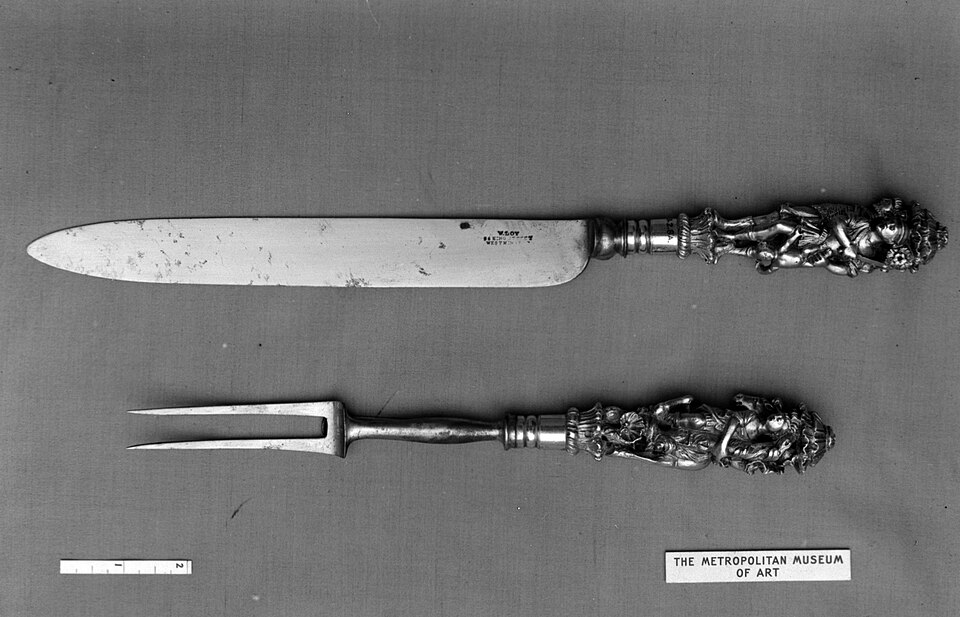
A carving set turns the Sunday roast into an occasion, and a long, sharp blade gives thin, even slices without tearing the meat.
Our shortlist
Shortlist in progress
We only list products once their specifications have been checked against the manufacturer or retailer. Until then, use the criteria above to compare what's available.
Where to buy
Browse current options and prices at the retailer. These are affiliate links: we may earn a commission, at no cost to you (disclosure).
What to look for
| Part | Look for |
|---|---|
| Knife blade | Long (about 20–25 cm) and narrow, so each slice is one smooth stroke |
| Edge | Plain edge for neat slices; a sharpening steel keeps it keen |
| Fork | Two long tines and a guard to protect your hand |
| Board | A carving board with a juice groove to catch the juices for gravy |
How to carve neatly
- Rest the joint for 15–30 minutes, loosely covered: juices settle and slicing is easier.
- Hold the joint steady with the fork.
- Slice across the grain in long, even strokes.
Tip
Hone the knife on a steel just before carving: a few strokes each side make a noticeable difference.
How we choose
BeneRecipes compares tools using manufacturer specifications and retailer listings. We have not tested these products ourselves and don't publish star ratings. We explain which type suits which cook and why.
Some links are affiliate links: if you buy through them we may earn a commission, at no extra cost to you. See our affiliate disclosure.