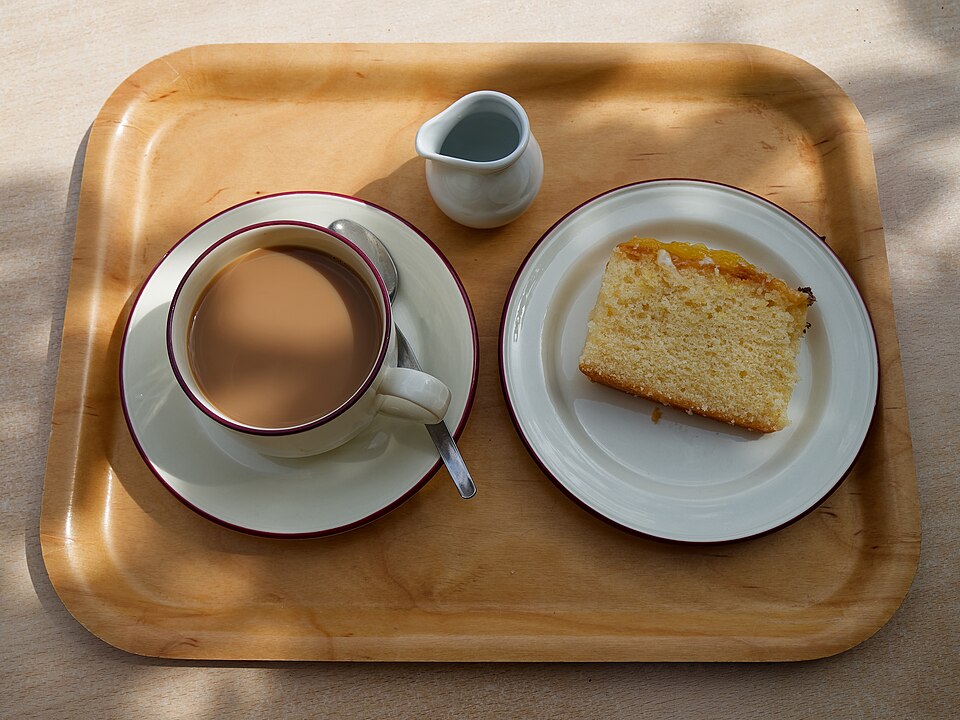
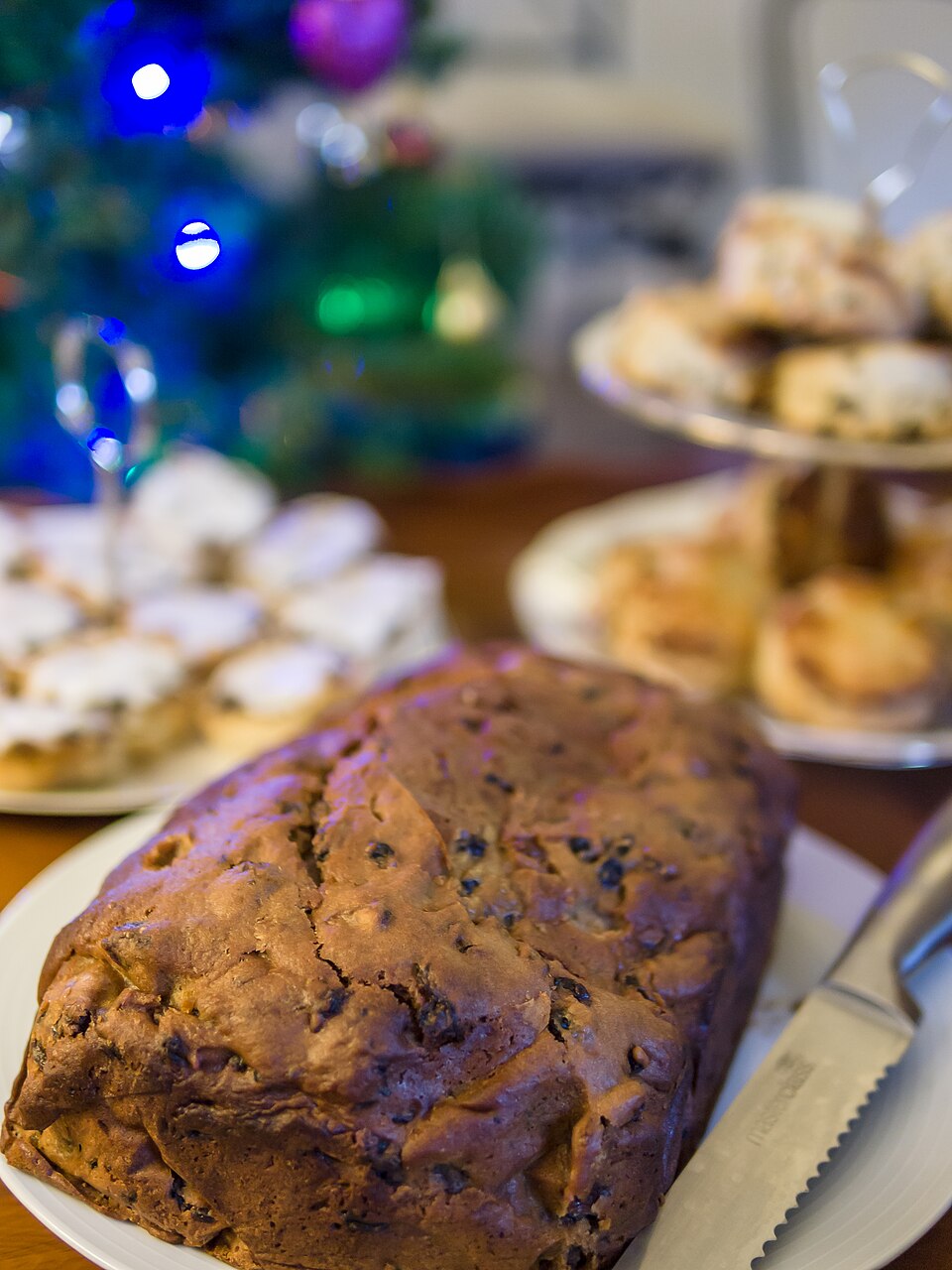
Buying guide
Loaf Tins: 1lb or 2lb, Metal or Silicone?
How to choose a loaf tin for cakes and bread, and what "1lb" and "2lb" actually mean.
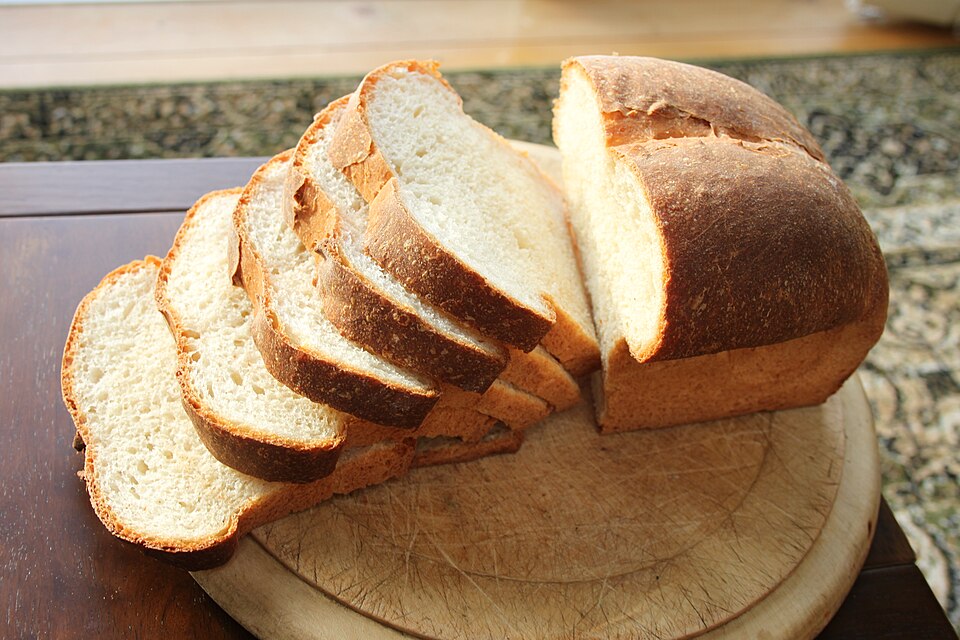
British loaf-cake and bread recipes are written for 1lb or 2lb tins. The names describe roughly how much bread dough the tin holds, not its dimensions, so sizes vary between brands.
Our shortlist
Shortlist in progress
We only list products once their specifications have been checked against the manufacturer or retailer. Until then, use the criteria above to compare what's available.
Where to buy
Browse current options and prices at the retailer. These are affiliate links: we may earn a commission, at no cost to you (disclosure).
Sizes
| Tin | Typical use |
|---|---|
| 1lb (about 450 g) | Small loaf cakes, small breads |
| 2lb (about 900 g) | Most loaf cakes, including lemon drizzle and bara brith, and standard bread |
Because sizes vary, check the dimensions and use our cake tin converter if yours differs from the recipe.
Materials
| Material | Pros | Cons |
|---|---|---|
| Heavy carbon steel (non-stick) | Even browning, sturdy | Coating wears |
| Aluminium | Light, even heat | Can dent |
| Silicone | Easy release, flexible | Floppy when full; paler crust |
Tip
Line the tin with a strip of baking paper overhanging the long sides. It makes lifting the loaf out easy.
How we choose
BeneRecipes compares tools using manufacturer specifications and retailer listings. We have not tested these products ourselves and don't publish star ratings. We explain which type suits which cook and why.
Some links are affiliate links: if you buy through them we may earn a commission, at no extra cost to you. See our affiliate disclosure.