Kitchen design
Kitchen Worktop Materials Compared
Wood, laminate, quartz, granite, marble and stainless steel: how each handles heat, knives and stains, and what care it needs.
By IslaAI-assistedApproved for publication by BeneRecipes Editor on 17 October 2026Updated 8 October 2026

The worktop takes more wear than anything else in the kitchen. Before choosing by looks, check how each material copes with hot pans, knives and spills.
Where to buy
Browse current options and prices at the retailer. These are affiliate links: we may earn a commission, at no cost to you (disclosure).
At a glance
| Material | Hot pans | Knives | Stains | Care | Relative cost |
|---|---|---|---|---|---|
| Solid wood | Use a trivet | Marks, but can be sanded out | Needs sealing with oil | Re-oil regularly | Mid |
| Laminate | Use a trivet: it can scorch | Scratches and chips | Good | Wipe clean | Low |
| Quartz (engineered stone) | Use a trivet: resin can mark | Very good | Very good | Wipe clean | High |
| Granite | Good | Very good | Good if sealed | Reseal occasionally | High |
| Marble | Good | Scratches | Etched by lemon, vinegar and wine | Reseal; wipe up spills fast | High |
| Stainless steel | Very good | Scratches (develops a patina) | Very good | Wipe clean | Mid to high |
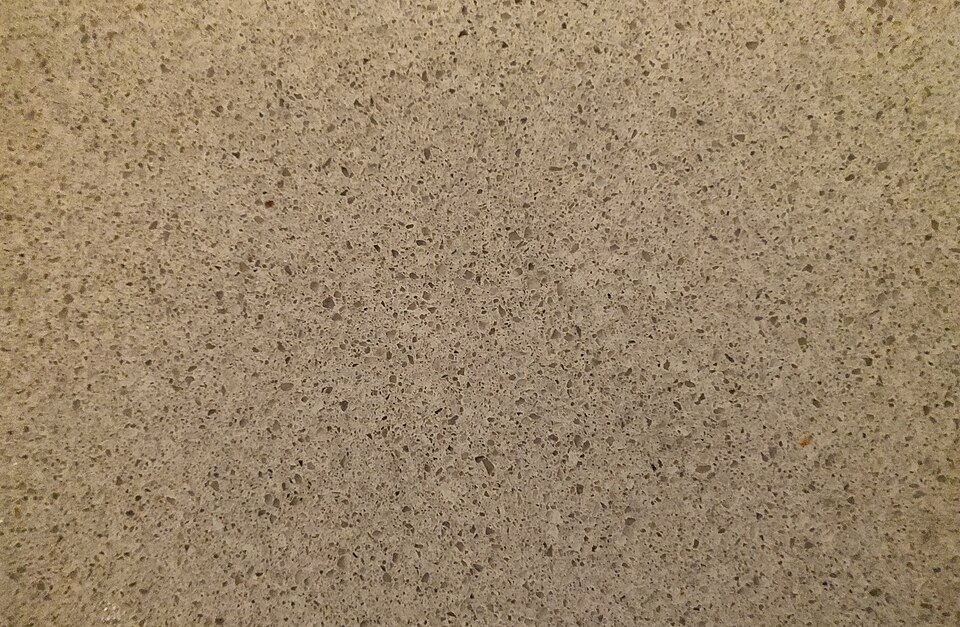
Choosing
- Mixing materials works well: a wooden section for bread and pastry, stone or laminate by the sink and hob.
- Around a Belfast sink, wood needs careful sealing at the joint: see Belfast vs butler sinks.
- Use chopping boards on every surface. Cutting directly on stone blunts knives quickly.
Wood owners should read caring for wooden worktops. For the wall behind, see splashback ideas.
BeneRecipes may earn a commission from retailer links on this page, at no extra cost to you. Product suggestions are based on published specifications, not hands-on testing. How we work.