Kitchen design
Belfast vs Butler Sinks: What's the Difference?
Both are deep ceramic sinks, but they are not the same. How to tell them apart and choose the right one.
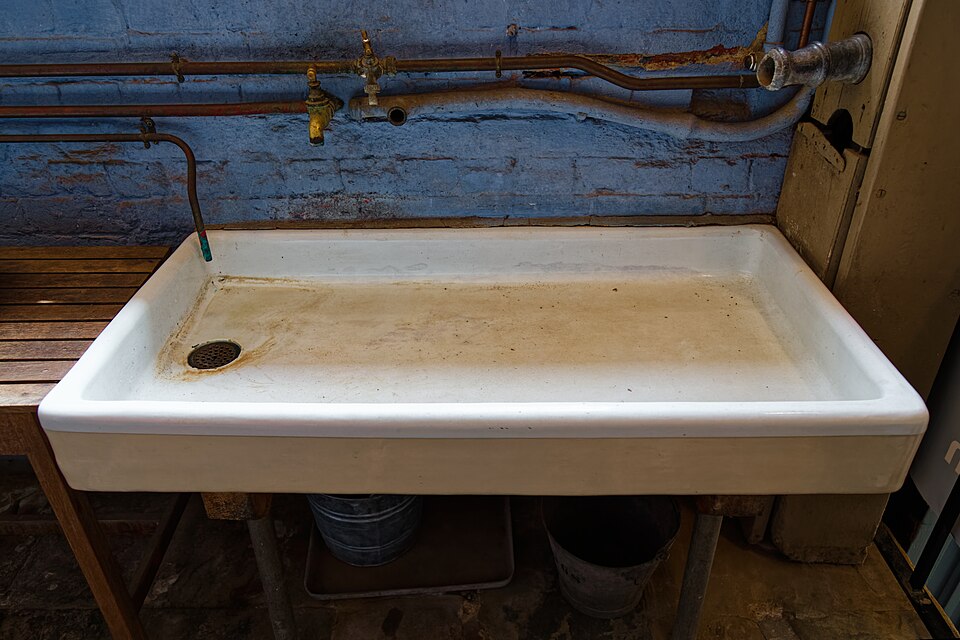
Belfast and butler sinks are both large, deep, rectangular ceramic sinks, usually made of fireclay, and the names are often used interchangeably. Traditionally, though, there is a real difference, and it still matters when you buy.
Where to buy
Browse current options and prices at the retailer. These are affiliate links: we may earn a commission, at no cost to you (disclosure).
The traditional difference
| Belfast sink | Butler sink | |
|---|---|---|
| Overflow | Has a built-in overflow weir | Traditionally no overflow |
| Depth | Usually deeper | Traditionally shallower |
| The story | Belfast had a plentiful water supply, so its sinks were built deep with an overflow | Associated with the butler's pantry, where shallower sinks were used for washing glass and silver |
Today many manufacturers use the names loosely, so check the specification: depth, and whether there is an overflow.
What to check before you buy
- Weight: fireclay sinks are very heavy. The base unit must be built to carry the sink when full of water.
- Base unit: most need a dedicated sink base unit, usually 600 mm wide or more.
- Taps: these sinks have no tap holes, so taps are mounted on the worktop or wall. Bridge taps and pillar taps suit the style.
- Waste: check the waste size, and whether a basket strainer is included.
- Crockery: ceramic is unforgiving, so a sink grid or mat protects glasses and china.
BeneRecipes may earn a commission from retailer links on this page, at no extra cost to you. Product suggestions are based on published specifications, not hands-on testing. How we work.