Kitchen design
Wooden Worktops: Choosing and Caring for Them
Oak, beech or walnut; oiled or sealed: how to keep a wooden worktop looking good for years.
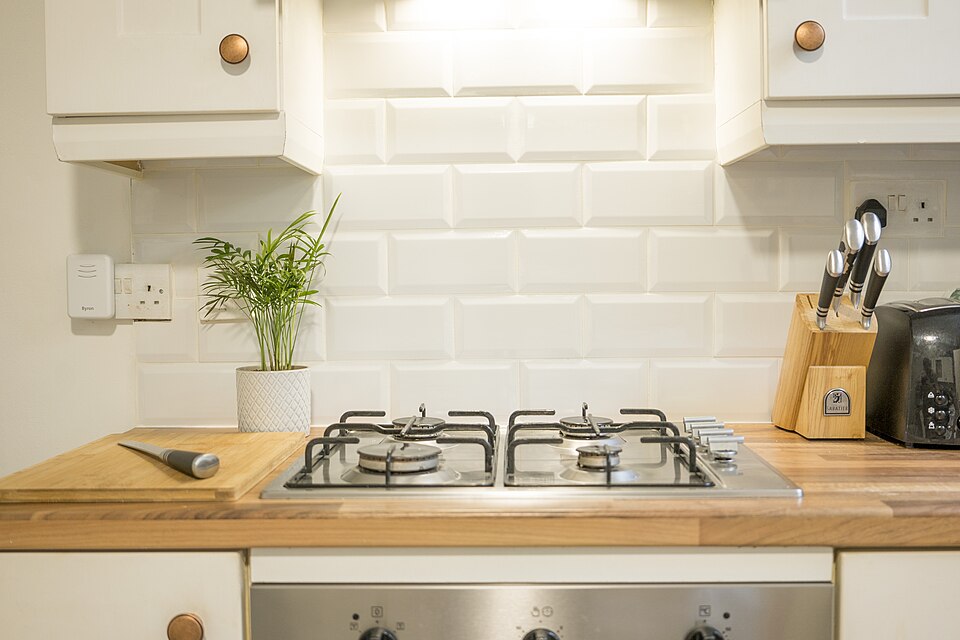
A wooden worktop warms up any kitchen and ages beautifully, as long as it is oiled and kept away from standing water.
Where to buy
Browse current options and prices at the retailer. These are affiliate links: we may earn a commission, at no cost to you (disclosure).
Common timbers
| Wood | Character |
|---|---|
| Oak | Classic, hard-wearing, prominent grain |
| Beech | Pale, even and smooth |
| Walnut | Dark and rich; often used for an island top |
| Iroko and other hardwoods | Oily, water-tolerant; often used around sinks |
Caring for oiled wood
- Oil it when new, following the maker's instructions (usually several thin coats).
- Re-oil every few months, or whenever water stops beading on the surface.
- Wipe up spills quickly, especially near the sink and dishwasher.
- Use boards and trivets: hot pans can scorch wood and knives mark it.
Near the sink
Water is wood's enemy. Keep the area around the sink well oiled, and make sure the edges and cut-outs were sealed at fitting.
BeneRecipes may earn a commission from retailer links on this page, at no extra cost to you. Product suggestions are based on published specifications, not hands-on testing. How we work.
Frequently asked questions
How often should I oil a wooden worktop?
Follow the maker's instructions; as a rule, re-oil every few months, or whenever water stops beading on the surface.
Can I put a hot pan on a wooden worktop?
No. Heat can scorch and mark wood, so always use a trivet or board.
Is wood suitable next to a sink?
Yes, if it is well oiled and the cut-outs and edges were sealed when fitted. Oily hardwoods such as iroko cope best with water.