Kitchen design
Kitchen Splashbacks: Tile, Glass, Stone or Wood?
What works behind a hob and a sink, how the main materials compare, and how high to take them.
By IslaAI-assistedApproved for publication by BeneRecipes Editor on 8 October 2026Updated 5 October 2026
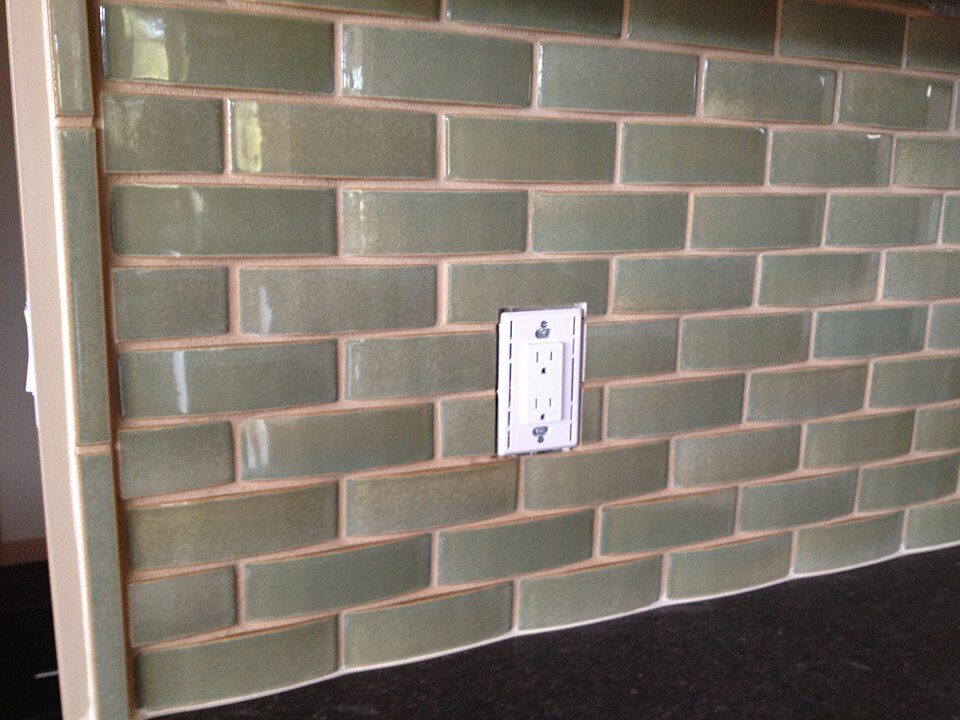
A splashback protects the wall from grease and water, and it is one of the easiest places to add colour and pattern. The main questions are how easy it is to clean and whether it can take heat behind the hob.
Where to buy
Browse current options and prices at the retailer. These are affiliate links: we may earn a commission, at no cost to you (disclosure).
Materials compared
| Material | Cleaning | Behind the hob | Look |
|---|---|---|---|
| Ceramic tiles | Easy; grout needs care | Yes | Classic; see traditional kitchen tiles |
| Toughened glass | Very easy, no grout | Yes, if toughened and fitted per the maker's guidance | Sleek, modern |
| Stone or quartz upstand | Easy if sealed | Check the maker's guidance | Matches the worktop |
| Wood | Needs oiling; marks with water | Not directly behind a hob | Warm, rustic |
| Stainless steel | Easy, but shows smears | Yes | Professional kitchen look |
How high?
- A short upstand of 10–15 cm protects the wall behind a worktop.
- Full height between worktop and wall cupboards, about 45–60 cm, is easier to wipe and looks tidier.
- Behind a range cooker, take it up to the hood.
Tile ideas for a traditional kitchen
- Brick-shaped "metro" tiles, laid in a brick bond or herringbone.
- Handmade tiles with an uneven glaze for depth.
- Delft-style patterned tiles as a panel behind the hob.
BeneRecipes may earn a commission from retailer links on this page, at no extra cost to you. Product suggestions are based on published specifications, not hands-on testing. How we work.