Blood sugar
Cinnamon and mulberry leaf: what is known, and what is not
Two kitchen-cupboard names that turn up in almost every blood-sugar supplement.
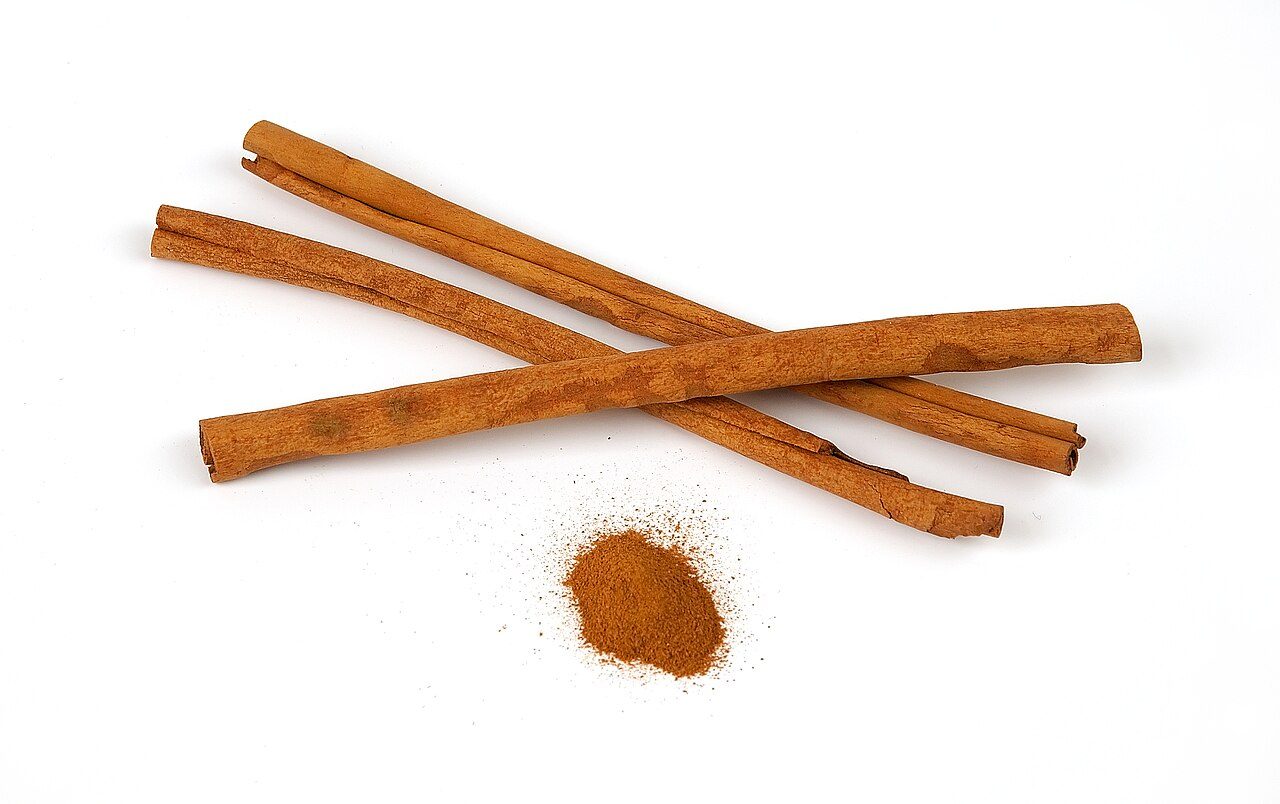
Cinnamon
Cinnamon is the dried inner bark of trees in the Cinnamomum family. Trials looking at blood sugar have reported everything from a small benefit to none, and they differ in the type of cinnamon, the dose and how long they ran.
One point is well established: cassia, the common supermarket kind, contains coumarin, which can harm the liver in large amounts. Sprinkling it on porridge is not the concern; taking concentrated amounts every day is where caution applies.
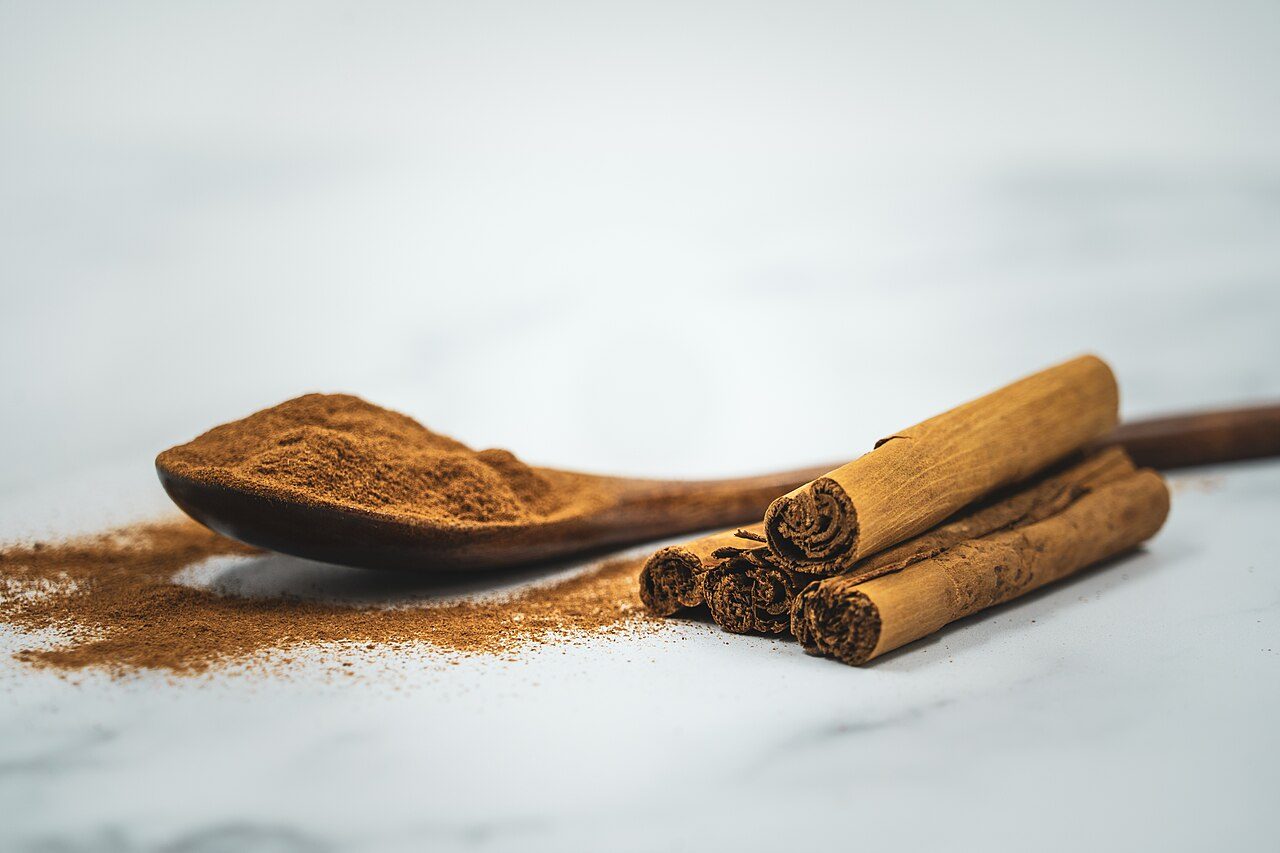
Mulberry leaf
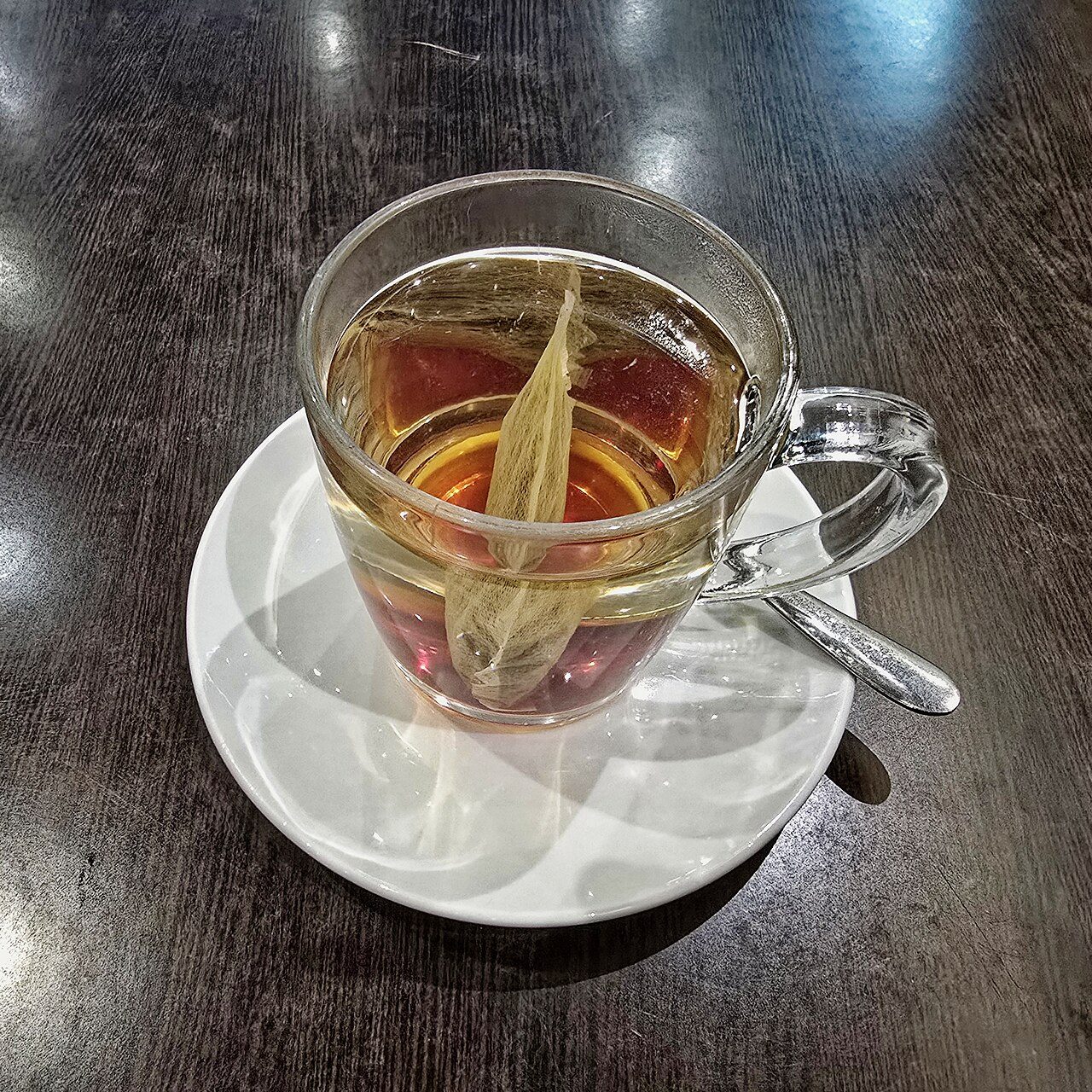
White mulberry leaf has a long history as a tea. It contains a compound, usually shortened to DNJ, that can slow the breakdown of carbohydrate in the gut. Small studies suggest it may reduce the rise in blood sugar after a meal; larger, longer trials are lacking.
If you take medication
Anything that lowers blood sugar, even slightly, can add to the effect of diabetes medicines and push levels too low. Tell your doctor or pharmacist before combining them.
The sensible view
These are interesting ingredients with an incomplete evidence base. A supplement containing them belongs alongside diet, activity and medical advice, never in place of them.
Related products
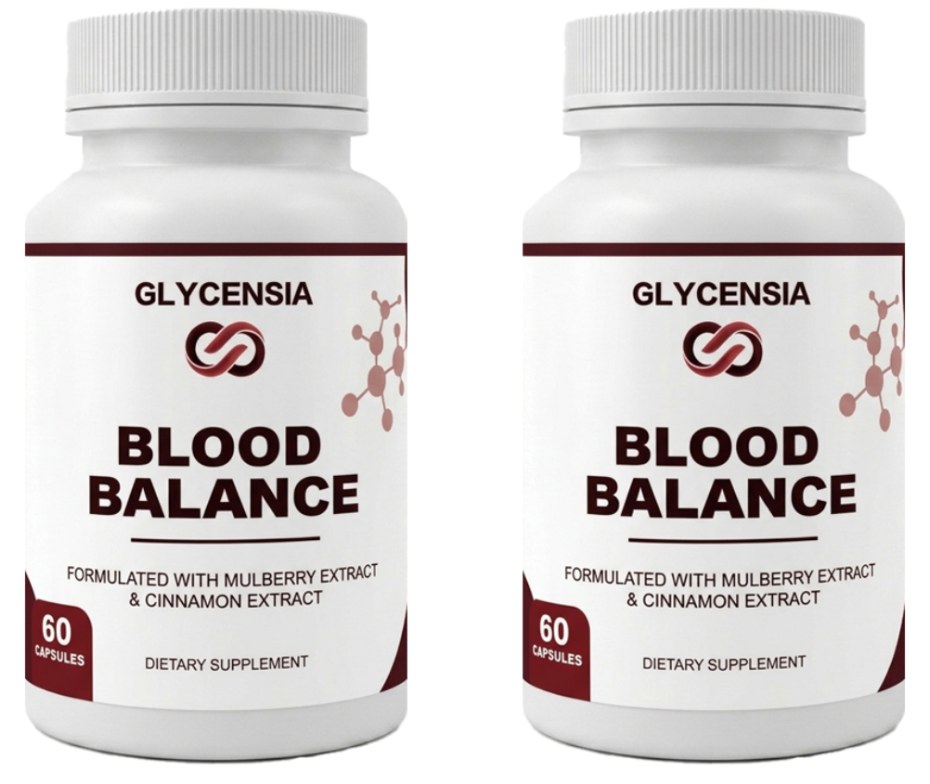
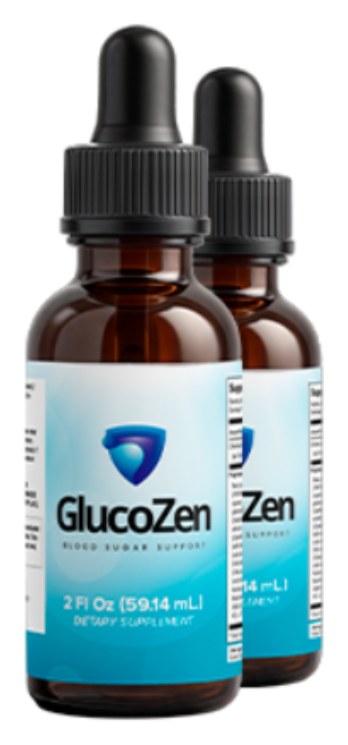
What the labels say
Keep reading
Not medical advice: this article is general information, written with AI assistance from widely published guidance, and is not a substitute for advice from your own doctor or pharmacist. Statements about dietary supplements have not been evaluated by the Food and Drug Administration; such products are not intended to diagnose, treat, cure or prevent any disease.
Affiliate disclosure: the product pages linked above contain affiliate links. Full disclosure.
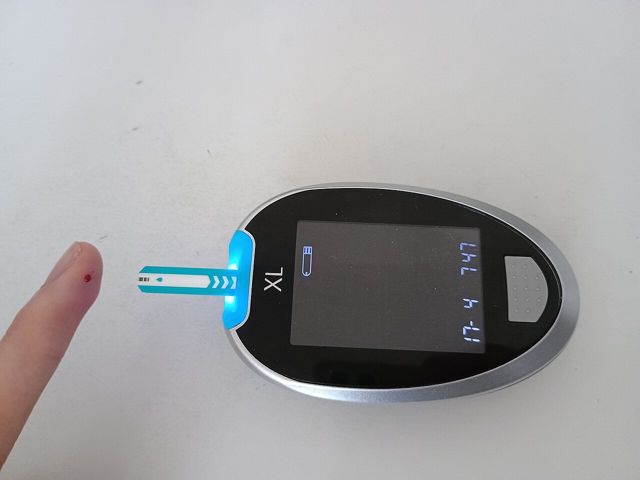
Photos: openly licensed lifestyle images, not product photos:Luc Viatour (CC BY-SA 3.0); formulatehealth (CC BY 2.0); Acabashi (CC BY-SA 4.0).