Buying smarter
Drops, gummies or capsules: which supplement format suits you?
The best format is the one you will actually take as directed. Each has a catch worth knowing first.

Capsules and tablets
A capsule holds a measured amount and nothing needs to taste good, so the ingredient list is usually shortest. The drawback is the one everybody knows: some are large, and some people simply cannot swallow them.
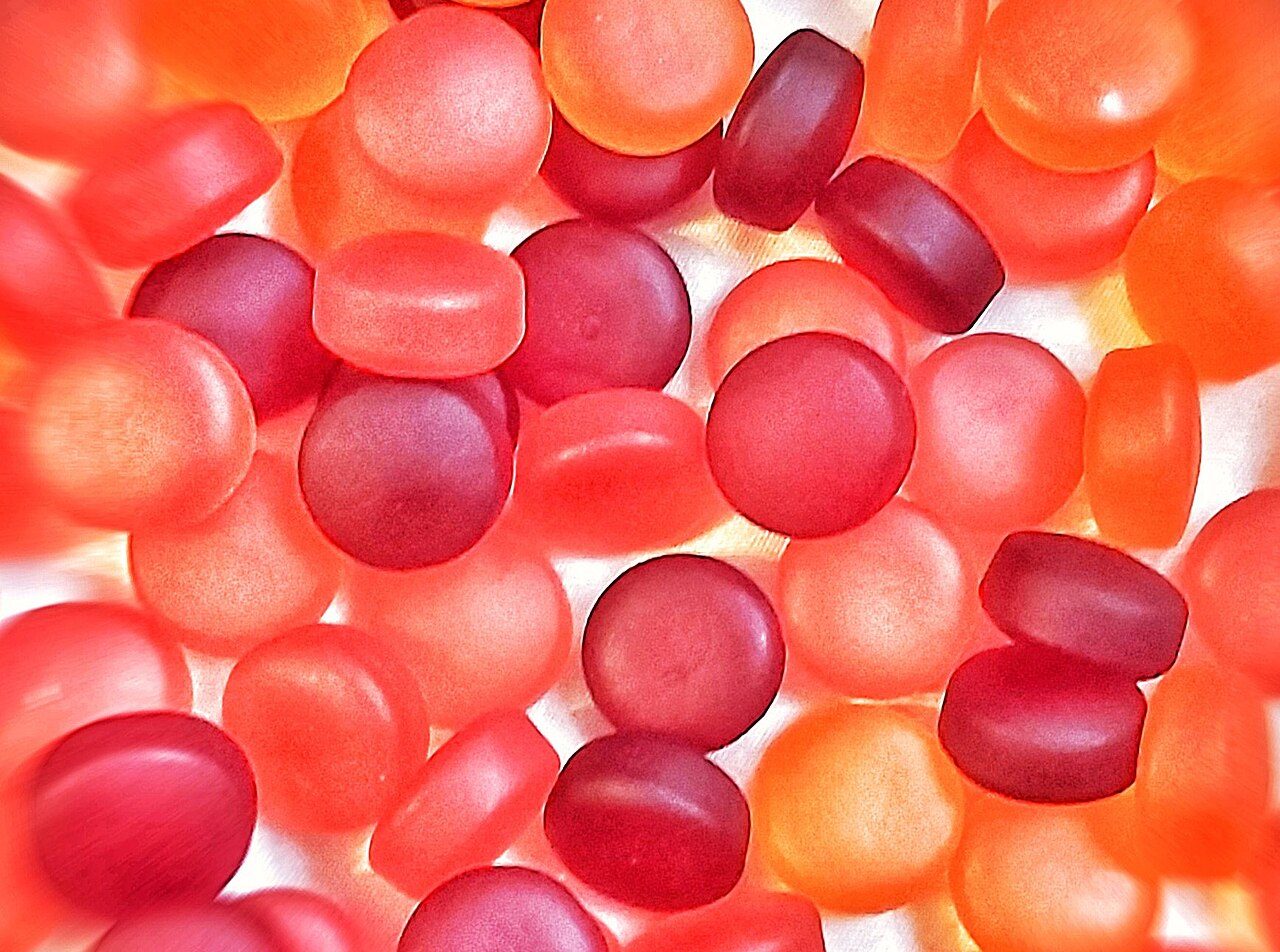
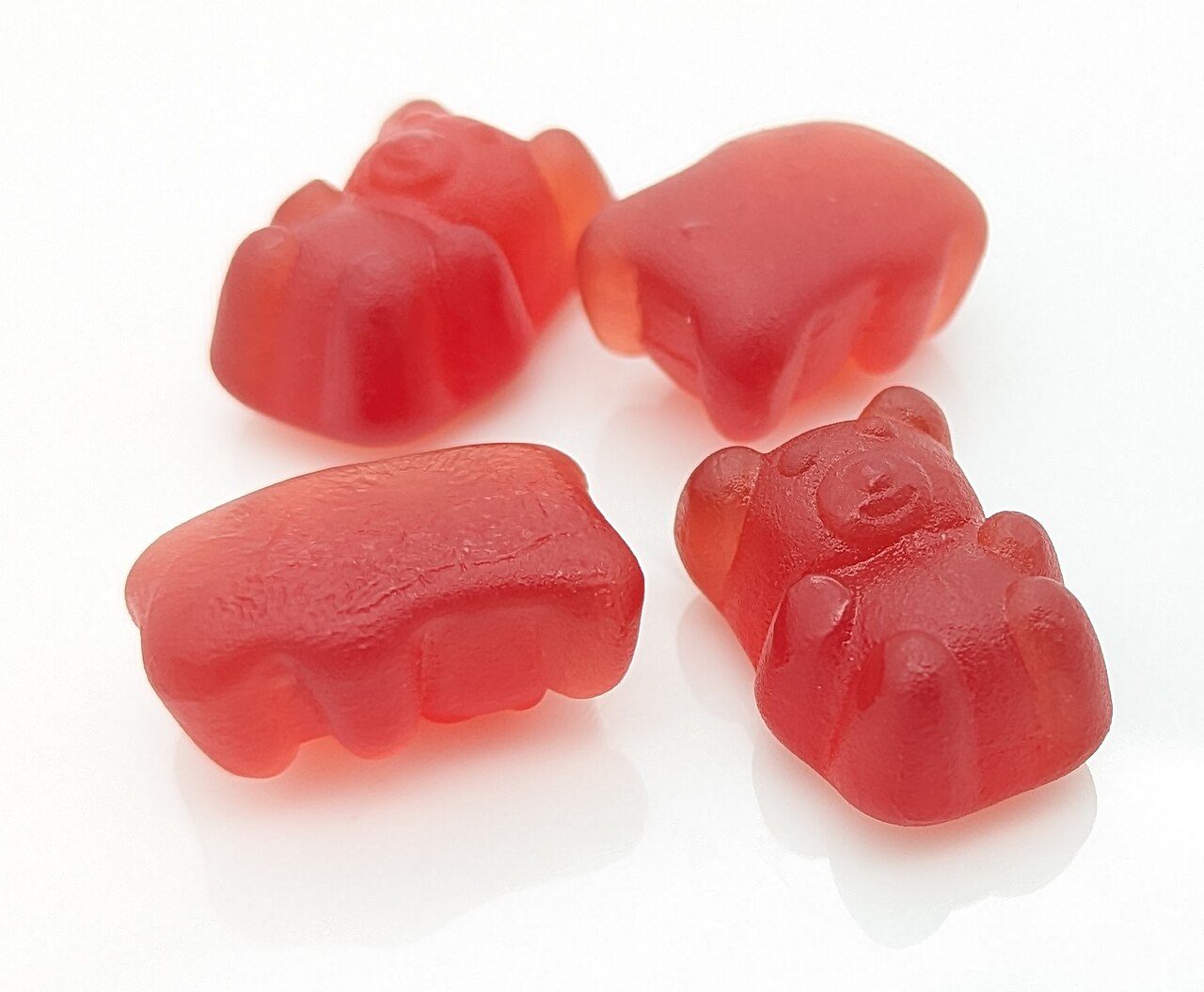
Gummies
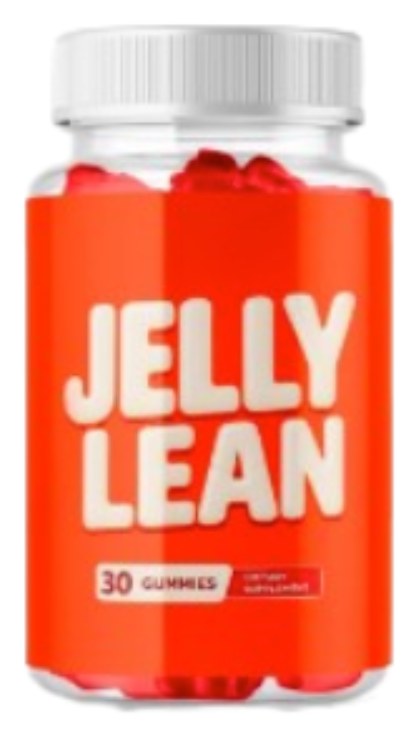
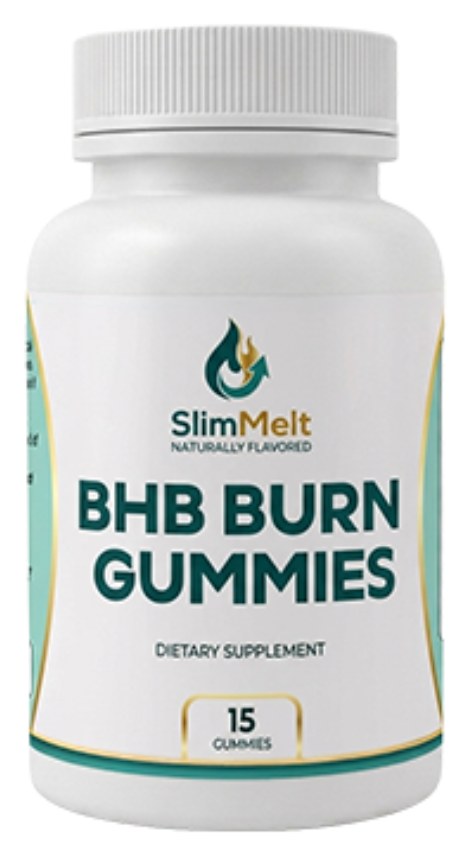
Gummies turn a chore into something closer to a sweet, which is exactly why people keep taking them. It is also their weakness: they need sugar or a sweetener, there is less room for active ingredients, and it is easy to eat more than the serving.
If you count carbohydrates, read the nutrition panel. And because they look like sweets, store them where children cannot reach.
Liquid drops
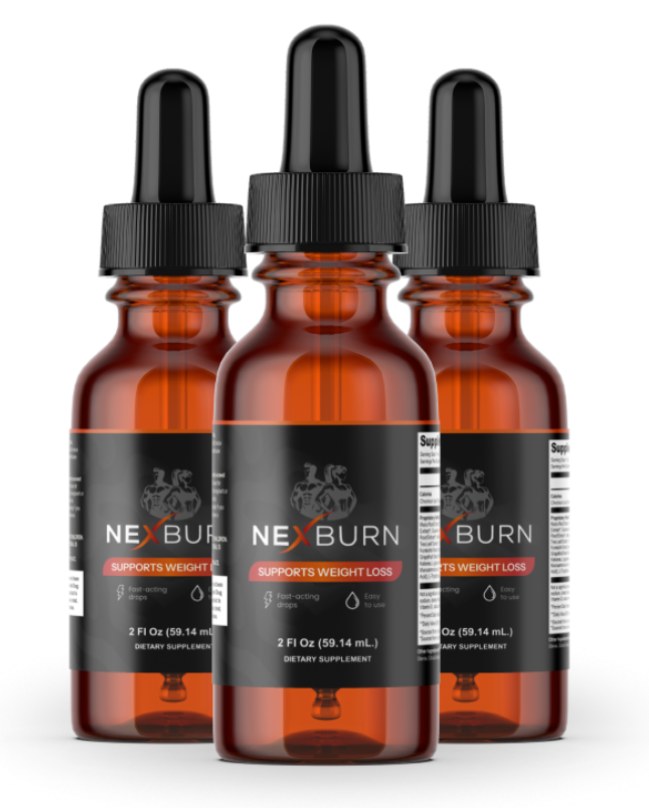
Drops need no swallowing and can go straight into water. A dropper is less exact than a capsule, so fill it to the marked line and follow the directions on the bottle. Once opened, check whether the bottle should be kept cool and how long it lasts.
How to choose
Pick the format that fits a habit you already have: next to the kettle, beside your toothbrush, in the desk drawer. A cheaper product you take as directed is worth more than a better one you forget.
Related products
What the labels say
Keep reading



Not medical advice: this article is general information, written with AI assistance from widely published guidance, and is not a substitute for advice from your own doctor or pharmacist. Statements about dietary supplements have not been evaluated by the Food and Drug Administration; such products are not intended to diagnose, treat, cure or prevent any disease.
Affiliate disclosure: the product pages linked above contain affiliate links. Full disclosure.
Photos: openly licensed lifestyle images, not product photos:Unknown (CC BY-SA 3.0); Suzanne Schroeter (CC BY-SA 2.0); Mx. Granger (CC0).