Blood sugar
Blood sugar basics: what moves it, and when to see a doctor
A plain guide to a subject that is mostly explained by people selling something.
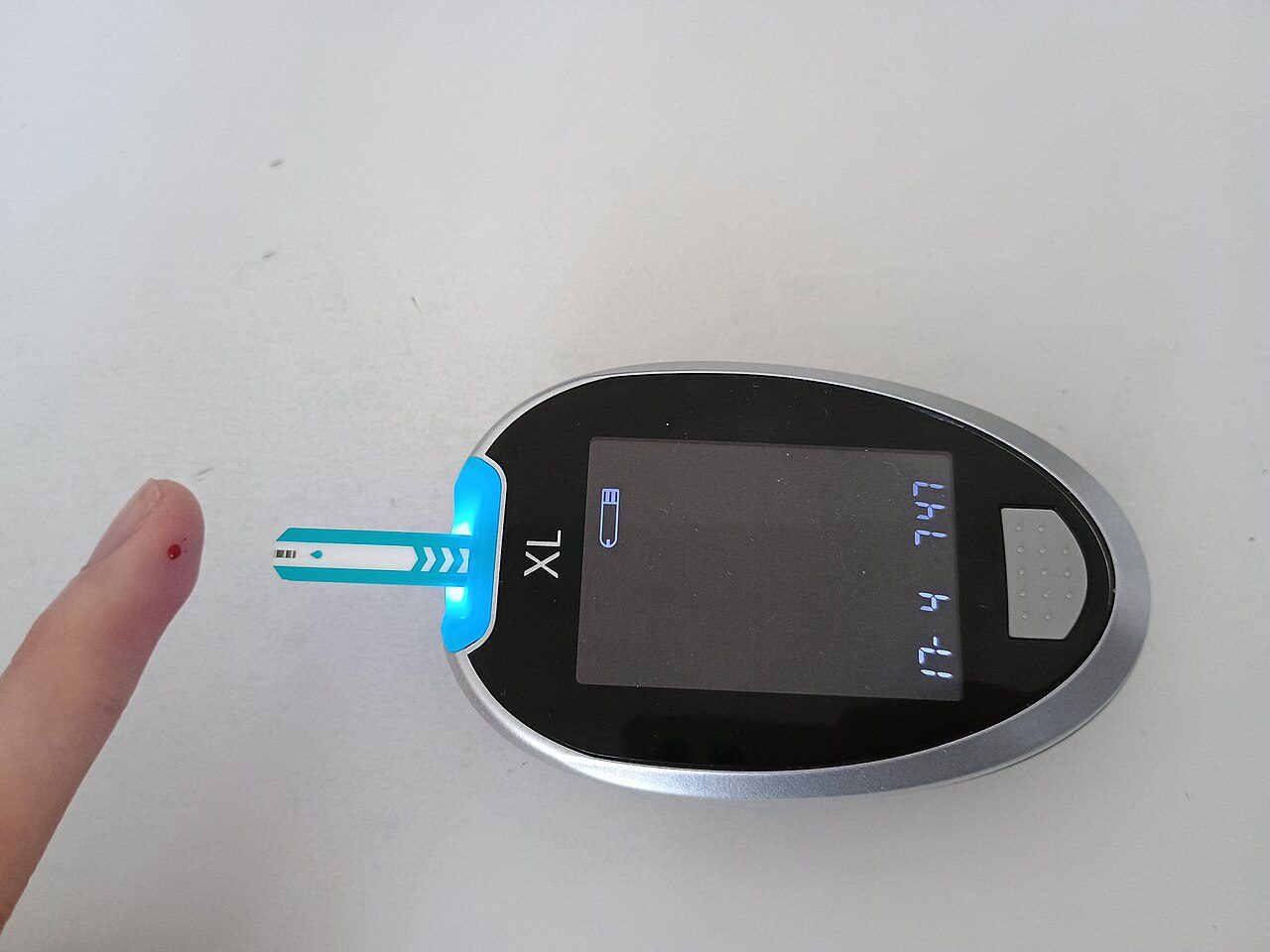
What it is
Blood sugar is the glucose carried in your blood, your body’s main fuel. It rises after a meal, most of all after sugary and starchy foods, and the hormone insulin moves it into cells so the level falls again.
In type 2 diabetes and the stage before it, that system works less well and levels stay higher for longer.
What moves it day to day
Food matters most: fibre-rich vegetables, pulses and whole grains release glucose more slowly than white bread or sweet drinks. Activity helps muscles take up glucose, which is why a walk after eating is so often recommended. Poor sleep, stress and carrying extra weight push the other way.

When to get checked
Being very thirsty, passing urine more than usual, feeling unusually tired, blurred vision or cuts that heal slowly are all reasons to ask your doctor for a blood test. Many people with raised levels have no symptoms at all, so a routine check is worthwhile if diabetes runs in your family.

About supplements
Products sold for “blood sugar support” are dietary supplements, not medicines. If you already take medication for diabetes, adding one could affect your levels, so speak to your doctor or pharmacist first, and never stop prescribed treatment on your own.
Related products
What the labels say


Keep reading



Not medical advice: this article is general information, written with AI assistance from widely published guidance, and is not a substitute for advice from your own doctor or pharmacist. Statements about dietary supplements have not been evaluated by the Food and Drug Administration; such products are not intended to diagnose, treat, cure or prevent any disease.
Affiliate disclosure: the product pages linked above contain affiliate links. Full disclosure.
Photos: openly licensed lifestyle images, not product photos:Roy Zuo (CC BY-SA 4.0); Sharon Hahn Darlin (CC BY 2.0); WrS.tm.pl (CC0).