Kitchen design
Kitchen Rugs and Runners: Materials, Sizes and Safety
Which rug materials cope with spills and washing, how to size a runner, and how to stop it slipping.
Ad: this guide contains affiliate links. If you buy through them we may earn a commission, at no extra cost to you (how we make money).

A runner in front of the sink or cooker softens a hard floor, adds colour and is kinder on your feet. In a kitchen it also has to cope with drips, crumbs and frequent washing.
Where to buy
Browse current options and prices at the retailer. These are affiliate links: we may earn a commission, at no cost to you (disclosure).
Materials
| Material | Washable | Feel | Notes |
|---|---|---|---|
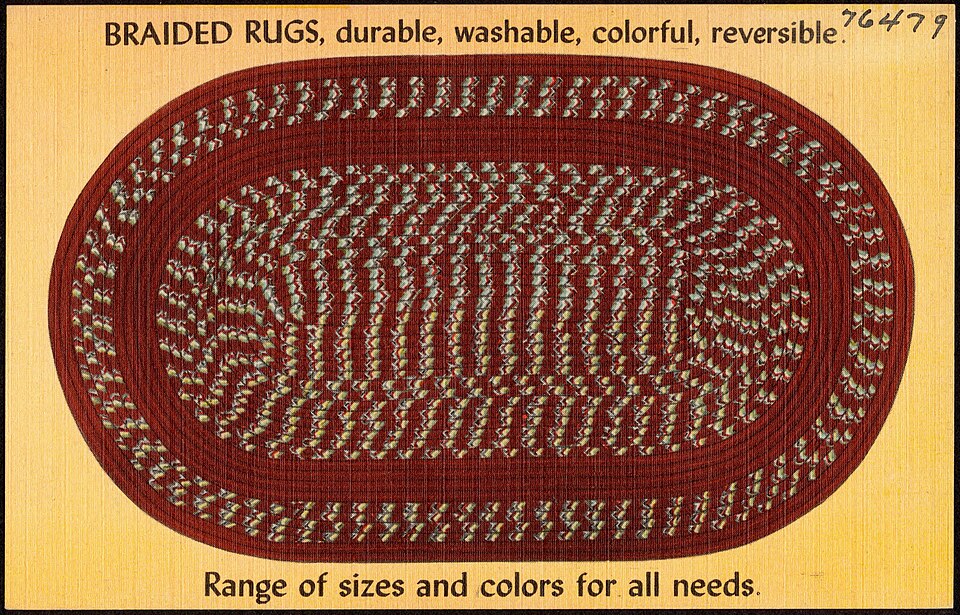
| Cotton flatweave or rag rug | Often machine washable | Soft, light | The easiest choice for kitchens; check the label |
| Wool | Spot-clean or professional | Warm, hard-wearing | Resists dirt well but takes time to dry |
| Jute or sisal | No | Rough, natural | Water marks easily; better away from the sink |
| Vinyl or printed mats | Wipe clean | Firm | Practical; check it lies flat |
Size
- A runner of about 60–80 cm wide suits most galley walkways.
- Leave some floor showing at each end.
- Keep it clear of the dishwasher and oven doors so they open freely.
Safety and floors
- Use a non-slip underlay or a rug with a non-slip back: a sliding rug in a kitchen is a real trip hazard.
- Some rubber or latex backings can mark vinyl, lino and some wood finishes. Check the flooring maker's advice.
Choosing the floor itself? See our kitchen flooring guide. Match the colours to your tea towels and textiles.
BeneRecipes may earn a commission from retailer links on this page, at no extra cost to you. Product suggestions are based on published specifications, not hands-on testing. How we work.