Kitchen design
Kitchen Flooring: Stone, Wood, Tile or Vinyl?
How the main kitchen floors compare for durability, comfort, water and cost, and which suit a traditional kitchen.
By IslaAI-assistedApproved for publication by BeneRecipes Editor on 1 October 2026Updated 30 September 2026
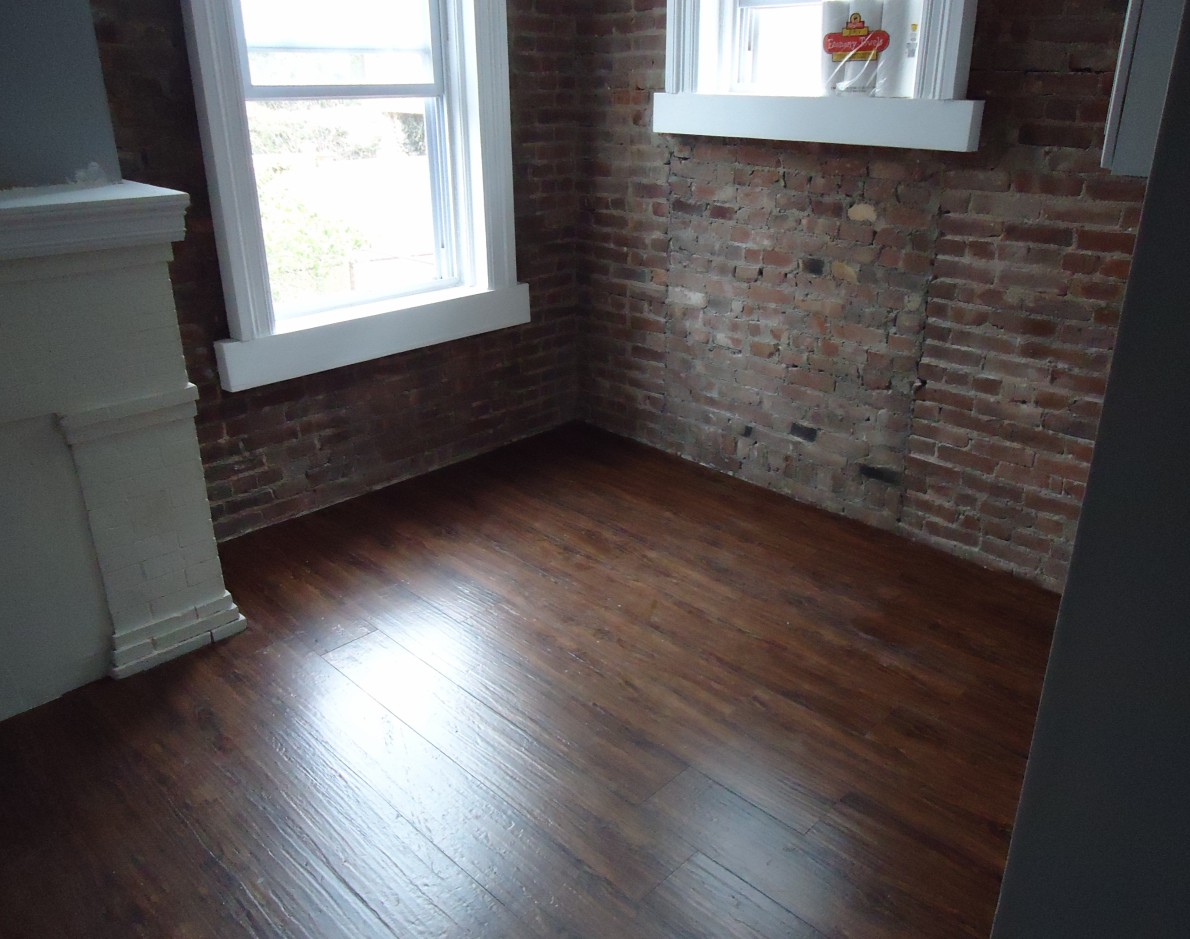
A kitchen floor takes spills, dropped pans and heavy traffic. The best choice balances looks with how the room is actually used.
Where to buy
Browse current options and prices at the retailer. These are affiliate links: we may earn a commission, at no cost to you (disclosure).
Comparison
| Floor | Pros | Cons | Traditional feel |
|---|---|---|---|
| Natural stone / flagstone | Very durable, characterful | Cold and hard; dropped china breaks; needs sealing | Strong |
| Quarry or ceramic tile | Hard-wearing, water-resistant | Hard underfoot; grout needs care | Strong (see kitchen tiles) |
| Solid or engineered wood | Warm, softer underfoot | Can be damaged by standing water | Good |
| Luxury vinyl (LVT) | Water-resistant, warmer, cheaper, many looks | Less authentic up close | Imitates any style |
Things to check
- Underfloor heating: some floors work better with it than others; check the maker's guidance.
- Slip resistance, especially near the sink.
- Wood in kitchens: engineered boards are generally more stable than solid wood where humidity changes.
- Thresholds: new floors can change the floor height at doorways.
BeneRecipes may earn a commission from retailer links on this page, at no extra cost to you. Product suggestions are based on published specifications, not hands-on testing. How we work.