Kitchen design
Tea Towels, Aprons and Oven Gloves: A Guide to Kitchen Textiles
Linen or cotton? How to choose tea towels that actually dry, plus aprons and oven gloves that last.
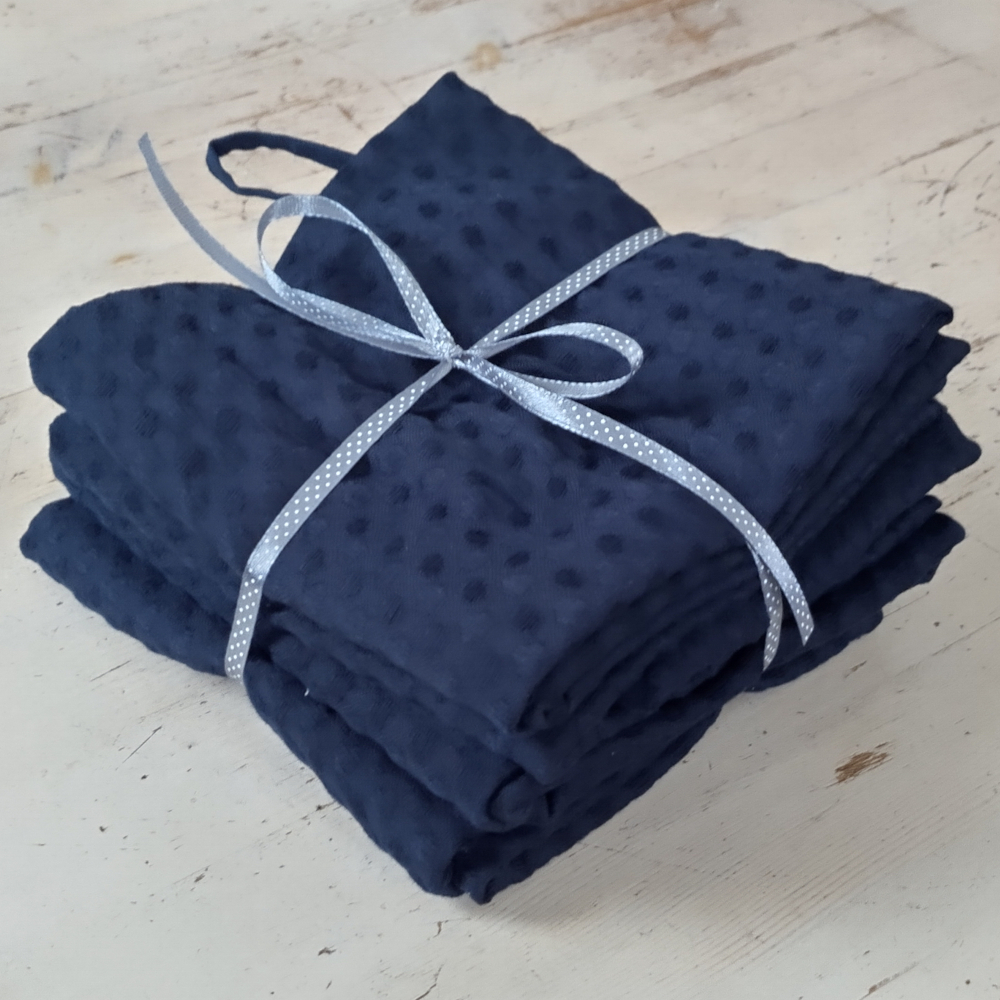
Kitchen textiles are some of the cheapest ways to change how a kitchen looks, and some of the most used. The difference between a good tea towel and a poor one is obvious the first time you dry a glass.
Where to buy
Browse current options and prices at the retailer. These are affiliate links: we may earn a commission, at no cost to you (disclosure).
Tea towels: which fabric?
| Fabric | Good for | Notes |
|---|---|---|
| Linen | Glasses and china | Lint-free, dries fast, gets softer with washing; absorbs less at first |
| Cotton | Everyday drying, hands | Absorbent and inexpensive; can leave lint on glass |
| Waffle or honeycomb weave | Heavy-duty drying | Very absorbent |
| Linen–cotton blend | All-round | A compromise of both |
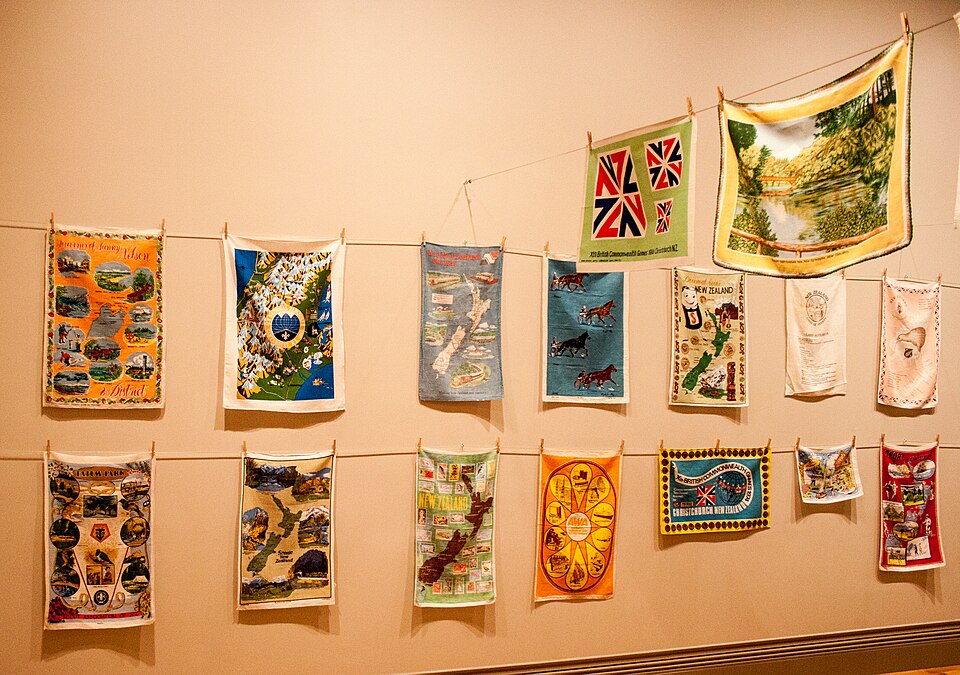
Printed tea towels are a British institution in their own right: souvenirs, charity designs and gifts. For display rather than drying, any fabric will do.
Aprons and oven gloves
- Aprons: heavy cotton or canvas protects best; a cross-back design is kinder to your neck than a loop.
- Oven gloves: check that they are thick enough for very hot tins and long enough to protect your wrists. Never use damp gloves or cloths on hot pans: water conducts heat quickly and can burn.
Care
Wash tea towels hot and often. Skip fabric conditioner on tea towels, as it makes them less absorbent.
BeneRecipes may earn a commission from retailer links on this page, at no extra cost to you. Product suggestions are based on published specifications, not hands-on testing. How we work.