Buying guide
Teacups and Saucers: How to Choose
Capacity, material and shape: what makes a good teacup, and how teacups differ from mugs.
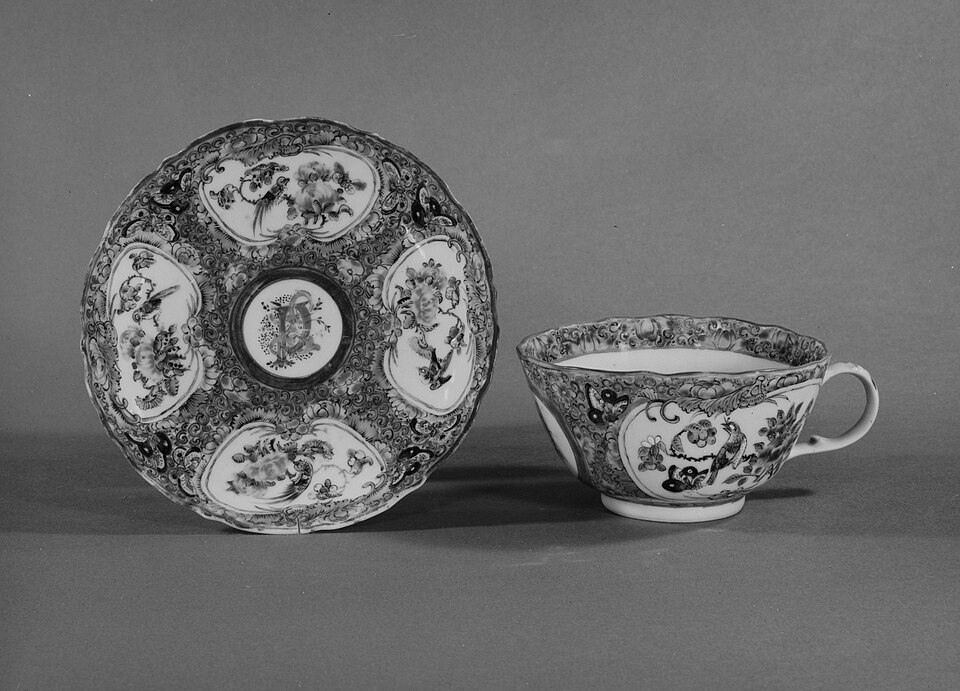
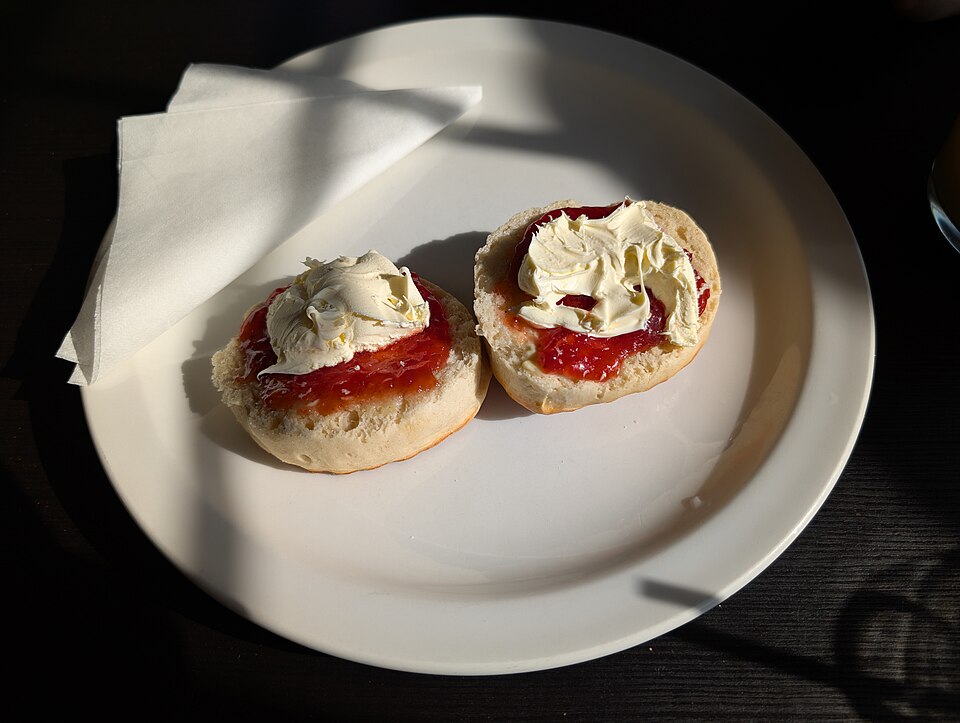
A teacup is wider and shallower than a mug, so tea cools to drinking temperature faster and the colour of the brew shows. For afternoon tea, cups and saucers make the table.
Our shortlist
Shortlist in progress
We only list products once their specifications have been checked against the manufacturer or retailer. Until then, use the criteria above to compare what's available.
Where to buy
Browse current options and prices at the retailer. These are affiliate links: we may earn a commission, at no cost to you (disclosure).
Materials
| Material | Character |
|---|---|
| Bone china | Thin, light, translucent and surprisingly strong |
| Porcelain | Bright white, smooth, slightly heavier |
| Stoneware | Thick, sturdy and informal; keeps tea warm longer |
More detail in bone china vs porcelain.
What to check
- Capacity: teacups often hold around 180–250 ml; check the listed volume.
- Handle: big enough to hold comfortably.
- Dishwasher and microwave: many cups with metallic (gold or platinum) rims are hand-wash only and must not go in the microwave.
- Buying extras: choose a pattern that is still in production if you may want replacements.
Sets or singles?
A tea set matches cups, saucers and plates. Mismatched vintage cups are a popular, cheaper alternative for an afternoon tea table.
How we choose
BeneRecipes compares tools using manufacturer specifications and retailer listings. We have not tested these products ourselves and don't publish star ratings. We explain which type suits which cook and why.
Some links are affiliate links: if you buy through them we may earn a commission, at no extra cost to you. See our affiliate disclosure.