Kitchen design
The Welsh Dresser: History and How to Style One
A short history of the Welsh dresser, and practical ways to style one so it looks lived-in rather than staged.
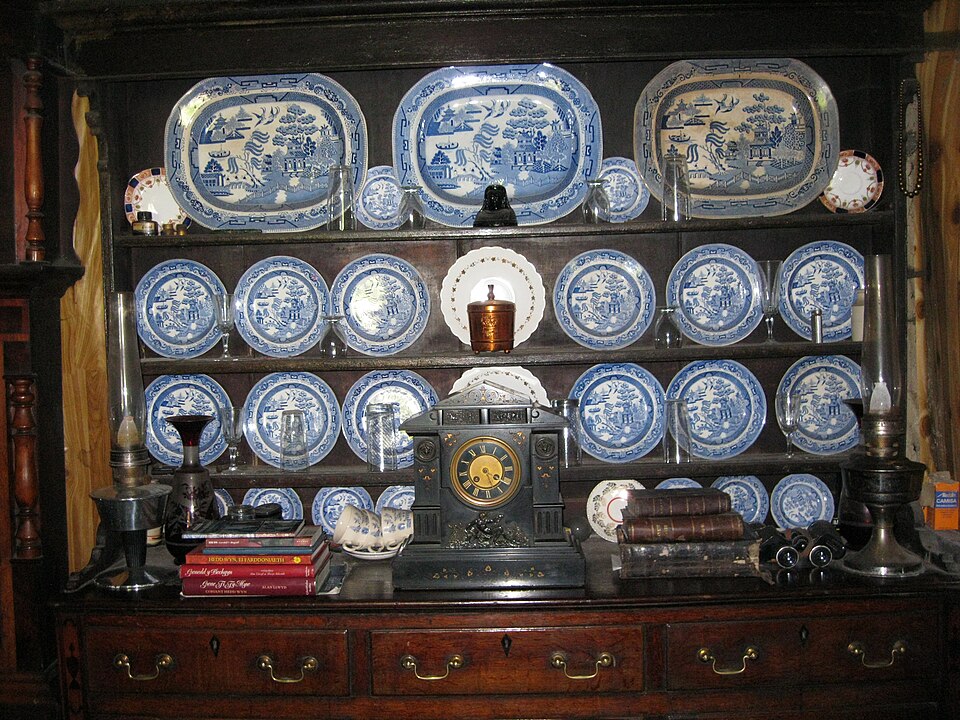
The dresser (a cupboard base with open shelves above) was the centrepiece of the farmhouse kitchen across Britain, and in Wales it became something close to a family heirloom. It held the best china on display and the everyday things below, and was often passed down through generations.
Where to buy
Browse current options and prices at the retailer. These are affiliate links: we may earn a commission, at no cost to you (disclosure).
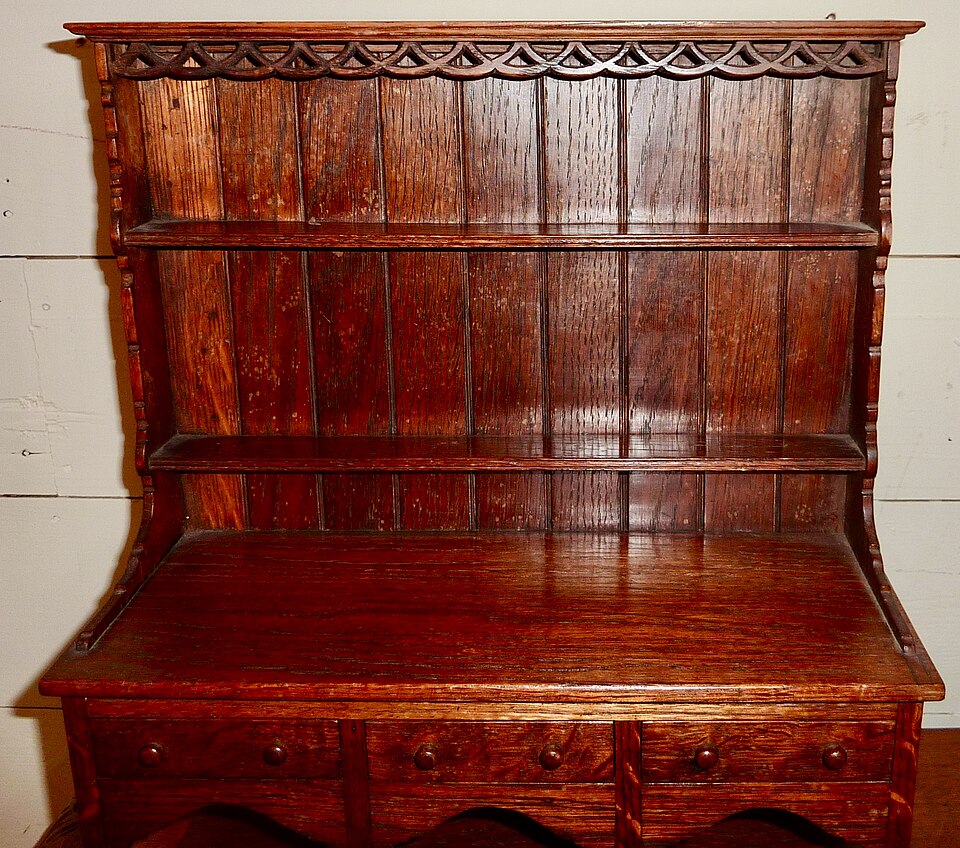
Anatomy of a dresser
- The base: cupboards and drawers for linen, cutlery and everyday dishes.
- The rack: open shelves above, often with a groove or rail so plates can stand upright.
- Hooks: cups and jugs traditionally hang from hooks under the shelves.
How to style it
- Start with plates at the back. Stand the largest plates upright along the back of each shelf. They form the backdrop.
- Add height in front. Jugs, teapots and bowls go in front of the plates, varying heights along each shelf.
- Hang cups. A row of cups on hooks under a shelf is the most traditional touch of all.
- Repeat colours. Two or three colours repeated across the shelves look calmer than a mix of everything.
- Leave gaps. A dresser crammed edge to edge looks like a shop; a few spaces let each piece be seen.
Old or new?
Antique dressers vary widely in size, so measure your ceiling height and doorways before buying. They often arrive in two parts, but the top can still be tall. New painted dressers suit Shaker and cottage kitchens and can be made to fit. If you have no room for a full dresser, a wall-hung plate rack gives the same look in a fraction of the space.
BeneRecipes may earn a commission from retailer links on this page, at no extra cost to you. Product suggestions are based on published specifications, not hands-on testing. How we work.