Kitchen design
Traditional Kitchen Tiles: Metro, Encaustic and Quarry
The tile styles that suit a traditional British kitchen, where to use them, and what to check before buying.
By SerenAI-assistedApproved for publication by BeneRecipes Editor on 24 September 2026Updated 23 September 2026
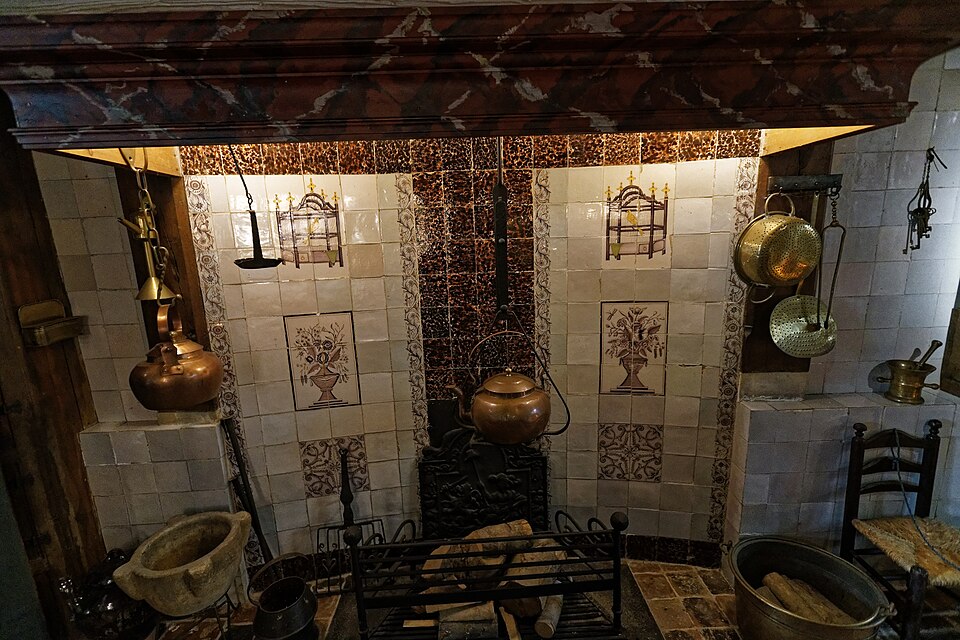
Tiles do practical work in a kitchen (they are wipeable, heatproof and hard-wearing) and they set its character. Three traditional styles cover most British kitchens.
Where to buy
Browse current options and prices at the retailer. These are affiliate links: we may earn a commission, at no cost to you (disclosure).
The three classics
| Tile | Where | Character |
|---|---|---|
| Metro (bevelled brick-shaped wall tiles) | Splashbacks | Victorian and Edwardian; clean, simple, easy to live with |
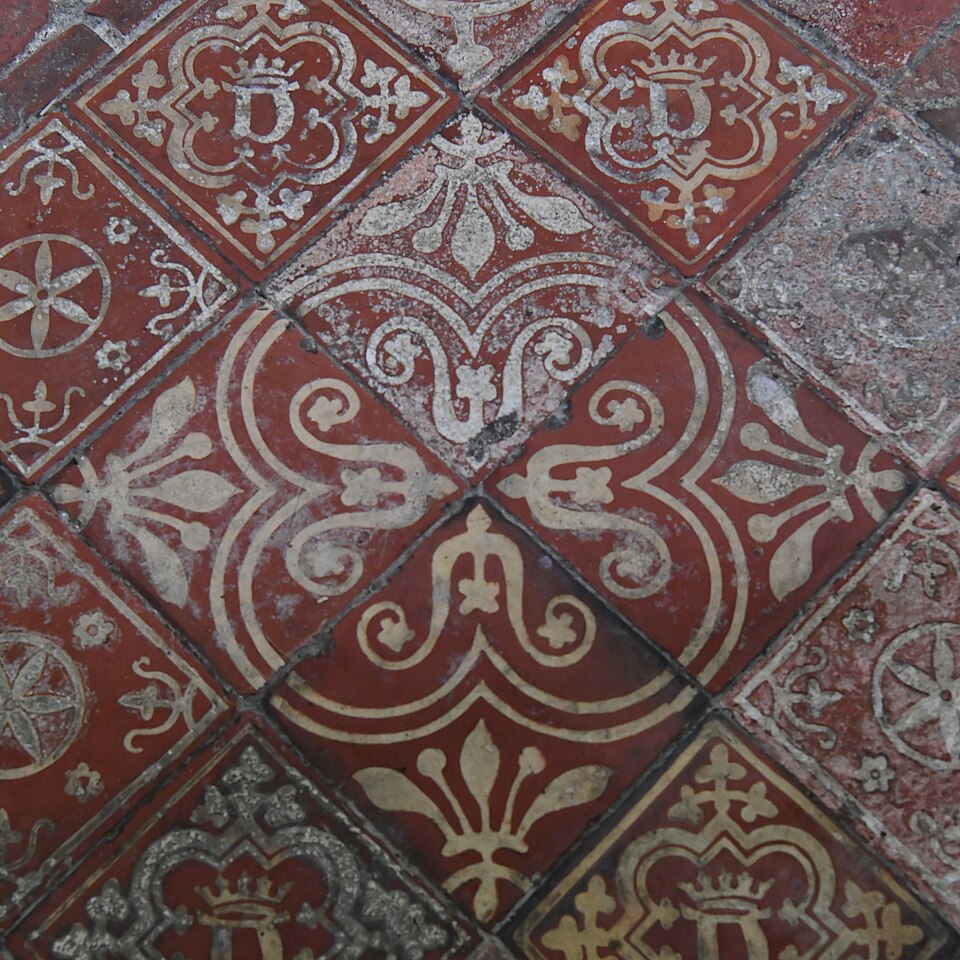
| Encaustic / patterned (pattern set into the tile) | Floors, feature panels | Decorative; the look of Victorian hallways and old churches |
| Quarry (unglazed fired clay) | Floors | Warm terracotta or red; the traditional farmhouse floor |
Practical points
- Floors must be rated for floors. Check slip resistance, especially for glazed tiles near the sink.
- Unglazed quarry and many encaustic tiles are porous and need sealing when laid and resealing from time to time.
- Grout colour changes the look. A darker grout with metro tiles hides kitchen marks and emphasises the pattern.
- Buy extra. Order around 10% more for cuts and breakages; batches can vary in colour.
Pairing
Metro tiles behind a Belfast sink and a quarry-tiled floor is a classic combination that works with painted Shaker units.
BeneRecipes may earn a commission from retailer links on this page, at no extra cost to you. Product suggestions are based on published specifications, not hands-on testing. How we work.