Kitchen design
Range Cookers: Are They Right for Your Kitchen?
Range cookers explained: widths, fuel types and the difference between a conventional range and a heat-storage cooker.
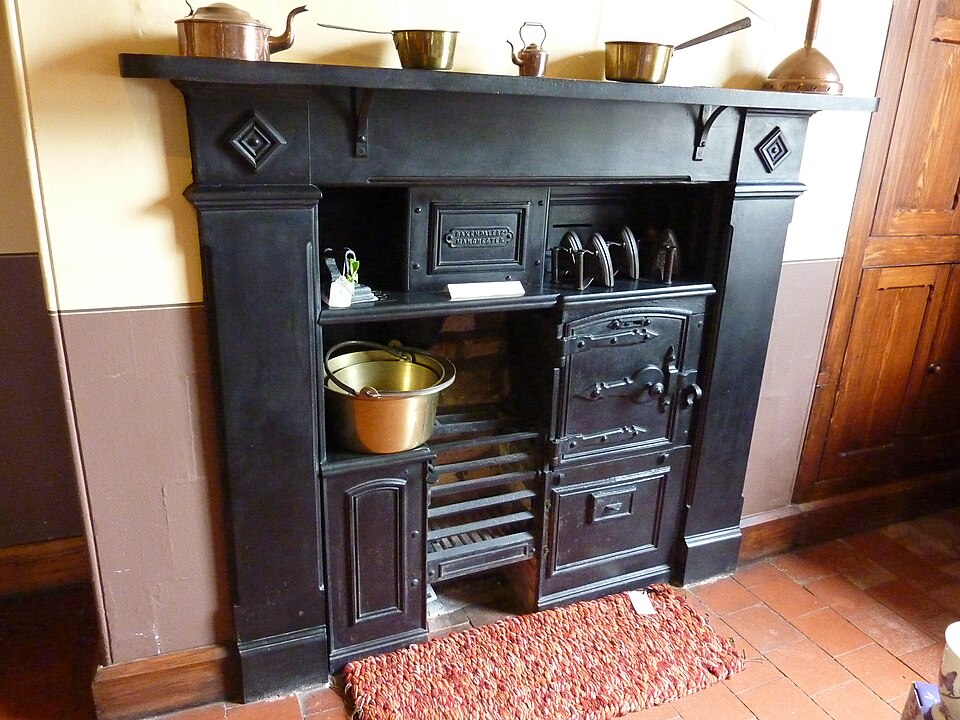
A range cooker is often the focal point of a traditional kitchen, and it is also a serious piece of cooking equipment: more oven space, more burners, and room to cook a full Sunday roast at once. Before choosing one, it helps to know that "range cooker" covers two quite different kinds of appliance.
Where to buy
Browse current options and prices at the retailer. These are affiliate links: we may earn a commission, at no cost to you (disclosure).
Two kinds of range
| Conventional range cooker | Heat-storage cooker | |
|---|---|---|
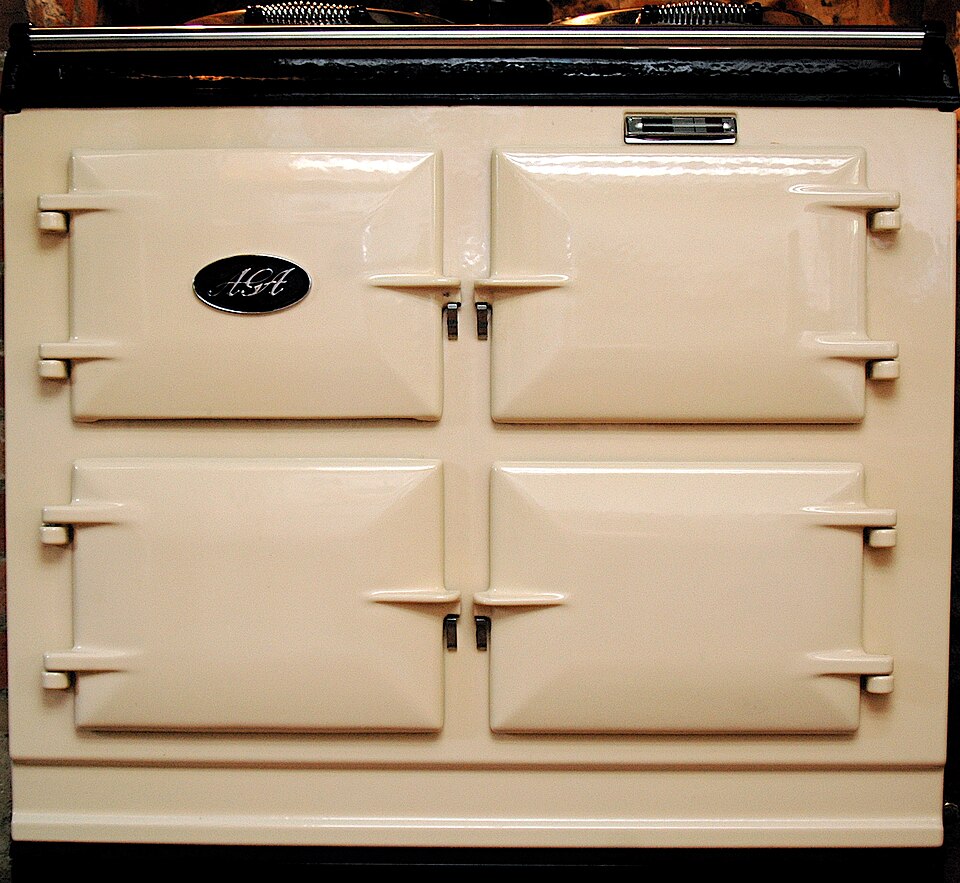
| How it works | Ovens and hob switched on when needed, like a normal cooker | A heavy cast-iron body stays warm; ovens are set at fixed temperatures |
| Typical use | Everyday cooking with more capacity | Always-on warmth and slow cooking; some models can be switched down or off |
| Running costs | Similar to a standard cooker, scaled up | Higher if left on constantly; check the model's controls |
Widths
Conventional range cookers are commonly sold in widths around 90 cm, 100 cm and 110 cm. Wider models usually add a second oven or a larger hob. Measure the space, and allow for the cooker hood above, which should match or exceed the cooker width.
Fuel types
- Dual fuel: gas hob with electric ovens, a popular combination.
- All electric: often with an induction or ceramic hob.
- All gas / LPG: useful where there is no mains gas.
Things to check
- Weight, and whether the floor can take it.
- The installation requirements for your fuel type (gas must be fitted by a Gas Safe registered engineer).
- Oven capacity: will your largest roasting tin fit?
BeneRecipes may earn a commission from retailer links on this page, at no extra cost to you. Product suggestions are based on published specifications, not hands-on testing. How we work.