Kitchen design
Pantry and Larder Ideas for British Kitchens
From a walk-in pantry to a single larder cupboard: how to plan food storage that keeps things fresh and easy to find.
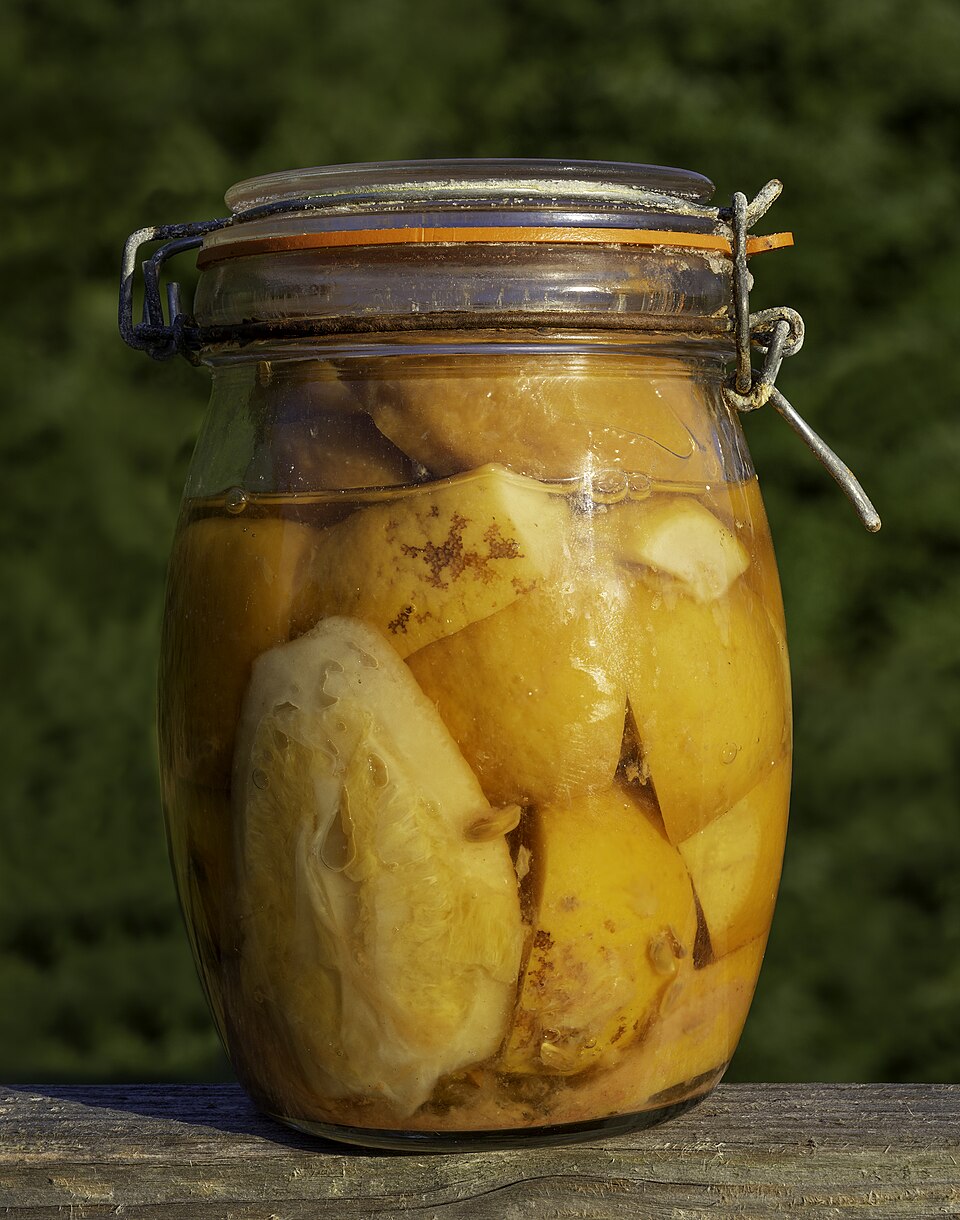
Before fridges, the larder was a cool room, ideally on the north side of the house, where food was kept on stone or slate shelves. Few homes have a walk-in larder now, but the idea (one place for all your dry food, organised so you can see it) works just as well in a single tall cupboard.
Where to buy
Browse current options and prices at the retailer. These are affiliate links: we may earn a commission, at no cost to you (disclosure).
Options for every kitchen
| Option | Space needed | Best for |
|---|---|---|
| Walk-in pantry | A small room or understairs space | Large families, bulk buying, bakers |
| Larder cupboard | A tall unit, often 50–100 cm wide | Most kitchens: everything in one place |
| Pull-out larder | A narrow tall unit | Small kitchens: shelves slide out so nothing is lost at the back |
| Dresser or open shelves | A wall | Jars and tins on display |
Organise it
- Group by use: baking, breakfast, tins, pasta and grains, tea and coffee.
- Decant dry goods into airtight, see-through jars so you can see what is running low.
- Label everything, including the date you opened it.
- First in, first out: put new packets behind old ones.
- Keep heavy things low and everyday things at eye level.
Keep it cool and dry
Dry goods keep best somewhere cool, dry and dark, so avoid the cupboard next to the oven. Check food labels: many opened products (jams, sauces) need the fridge, not the larder.
BeneRecipes may earn a commission from retailer links on this page, at no extra cost to you. Product suggestions are based on published specifications, not hands-on testing. How we work.