Kitchen design
Open Shelving in the Kitchen: Displaying Everyday China
How to plan open kitchen shelves (depth, height, what to put on them) so they look good and stay practical.
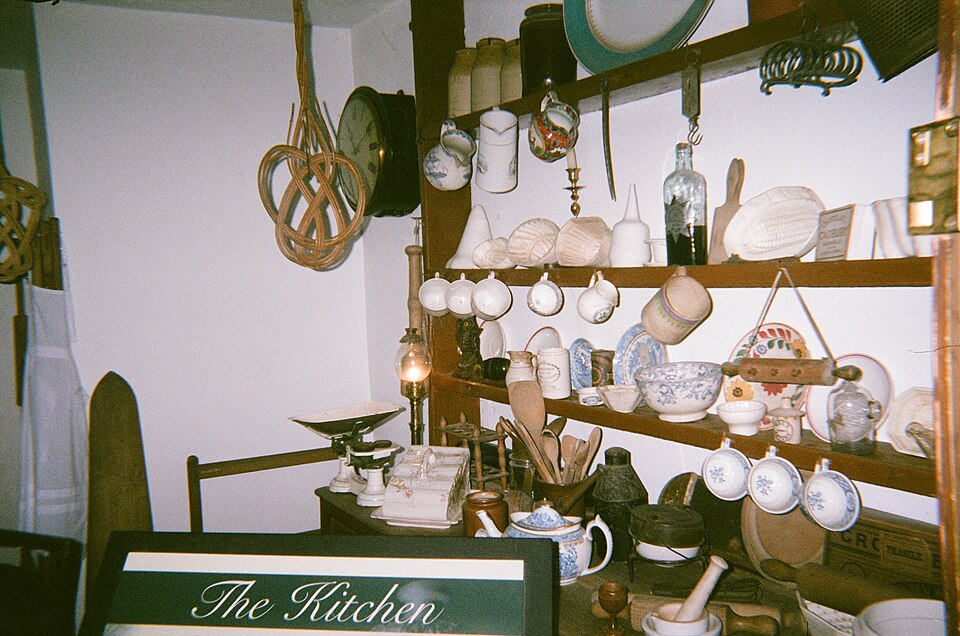
Open shelves make a kitchen feel lighter than a row of wall cupboards, and they put your best everyday china on show. The trick is to plan them around what you actually use every day.
Where to buy
Browse current options and prices at the retailer. These are affiliate links: we may earn a commission, at no cost to you (disclosure).
Plan the shelves
- Depth: about 25–30 cm fits dinner plates and mugs without the shelves looming over the worktop.
- Height: leave enough space above the worktop for small appliances and for easy reach.
- Spacing: space shelves to suit what goes on them: taller for jugs and storage jars, lower for cups and bowls.
- Fixings: loaded shelves are heavy. Use brackets and fixings rated for the load and suited to your wall type.
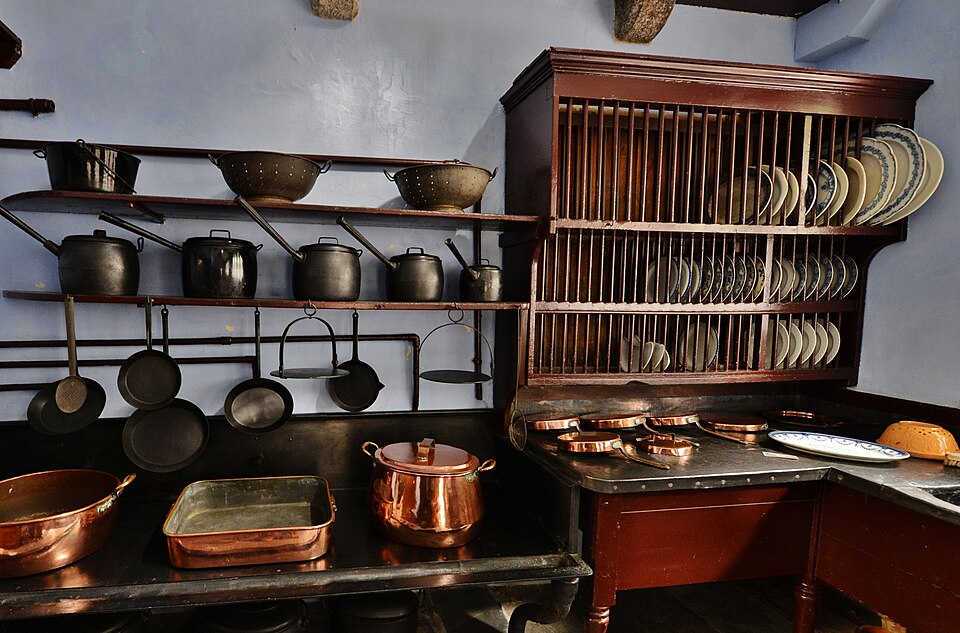
What to put on them
The best open shelves hold things used every day, so nothing sits long enough to gather dust: plates, bowls, mugs, the teapot, and storage jars of oats, flour and sugar. Save one shelf for a few favourite pieces.
Keep it looking calm
- Stack plates and bowls in matching sets.
- Group by colour or material.
- Use matching storage jars for dry goods.
- Keep the shelf nearest the cooker for things that are washed often, since cooking grease settles on nearby shelves.
BeneRecipes may earn a commission from retailer links on this page, at no extra cost to you. Product suggestions are based on published specifications, not hands-on testing. How we work.