Kitchen design
Kitchen Storage Jars and Canisters: Glass, Ceramic or Tin?
How to choose storage jars that keep dry food fresh, and how to display them so the kitchen looks organised.
By AoifeAI-assistedApproved for publication by BeneRecipes Editor on 26 September 2026Updated 23 September 2026
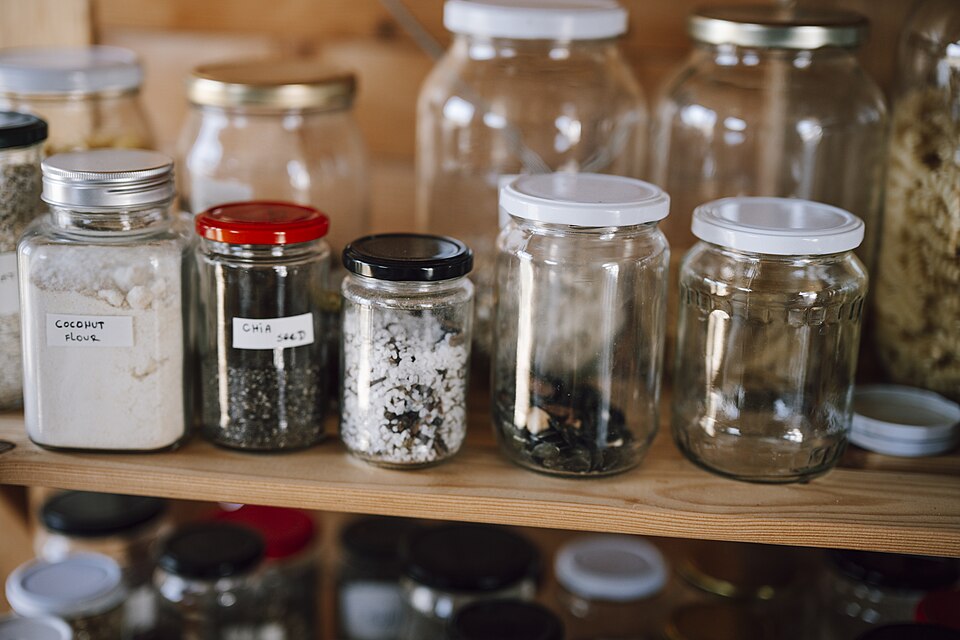
Decanting flour, oats, sugar, rice and tea into good jars keeps them fresh, lets you see what is running low, and turns everyday food into part of the kitchen's look.
Where to buy
Browse current options and prices at the retailer. These are affiliate links: we may earn a commission, at no cost to you (disclosure).
Materials
| Material | Pros | Cons |
|---|---|---|
| Clear glass (clip-top or screw-top) | See the contents; easy to clean | Lets in light, which some foods dislike |
| Ceramic / stoneware | Blocks light; traditional look | Can't see contents; heavier |
| Tin / enamel | Light, blocks light, classic for tea and biscuits | Seals are often less airtight |
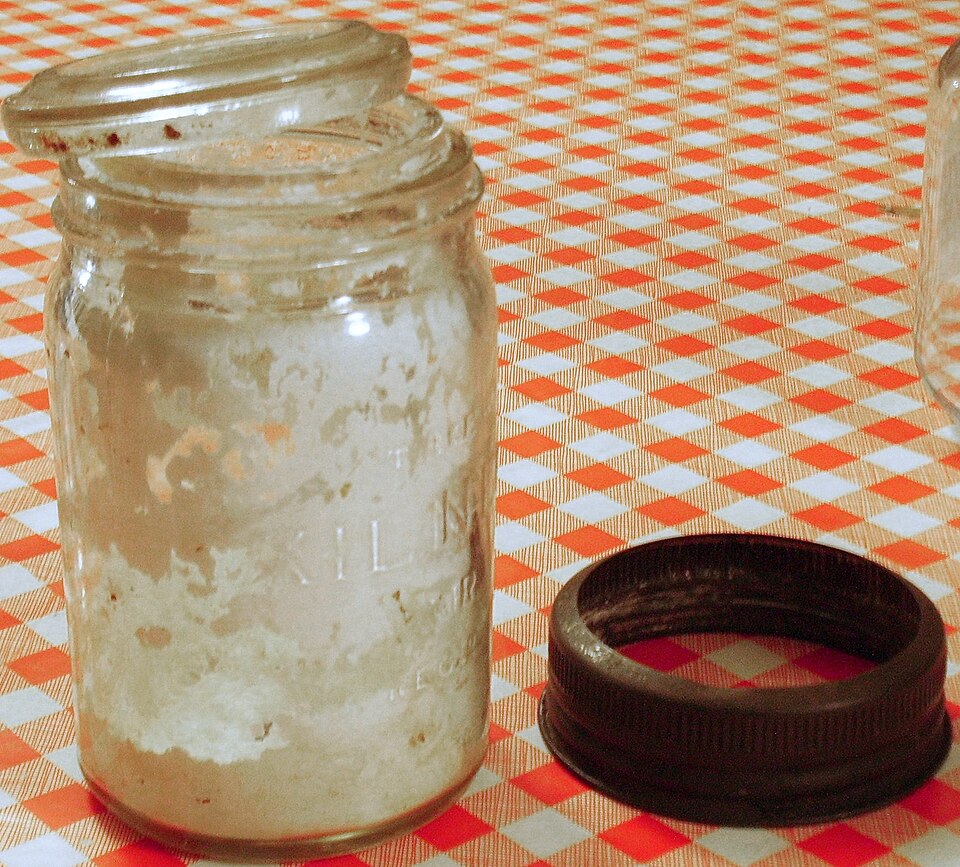
What makes a good jar
- An airtight seal: a rubber gasket with a clip, or a screw lid with a seal.
- A wide mouth big enough for a measuring cup or scoop.
- The right size: a 1.5–2 litre jar holds a standard 1.5 kg bag of flour with room to spare; smaller jars suit spices and baking powder.
- Labels with the contents and the date you opened it.
Tea deserves its own caddy
Tea keeps best away from light, heat and strong smells, in an opaque, airtight caddy. See how to create a tea station.
BeneRecipes may earn a commission from retailer links on this page, at no extra cost to you. Product suggestions are based on published specifications, not hands-on testing. How we work.