Kitchen design
Kitchen Island or Farmhouse Table? How to Choose
Islands add worktop and storage; a table adds a place to gather. How to decide what suits your kitchen and your space.
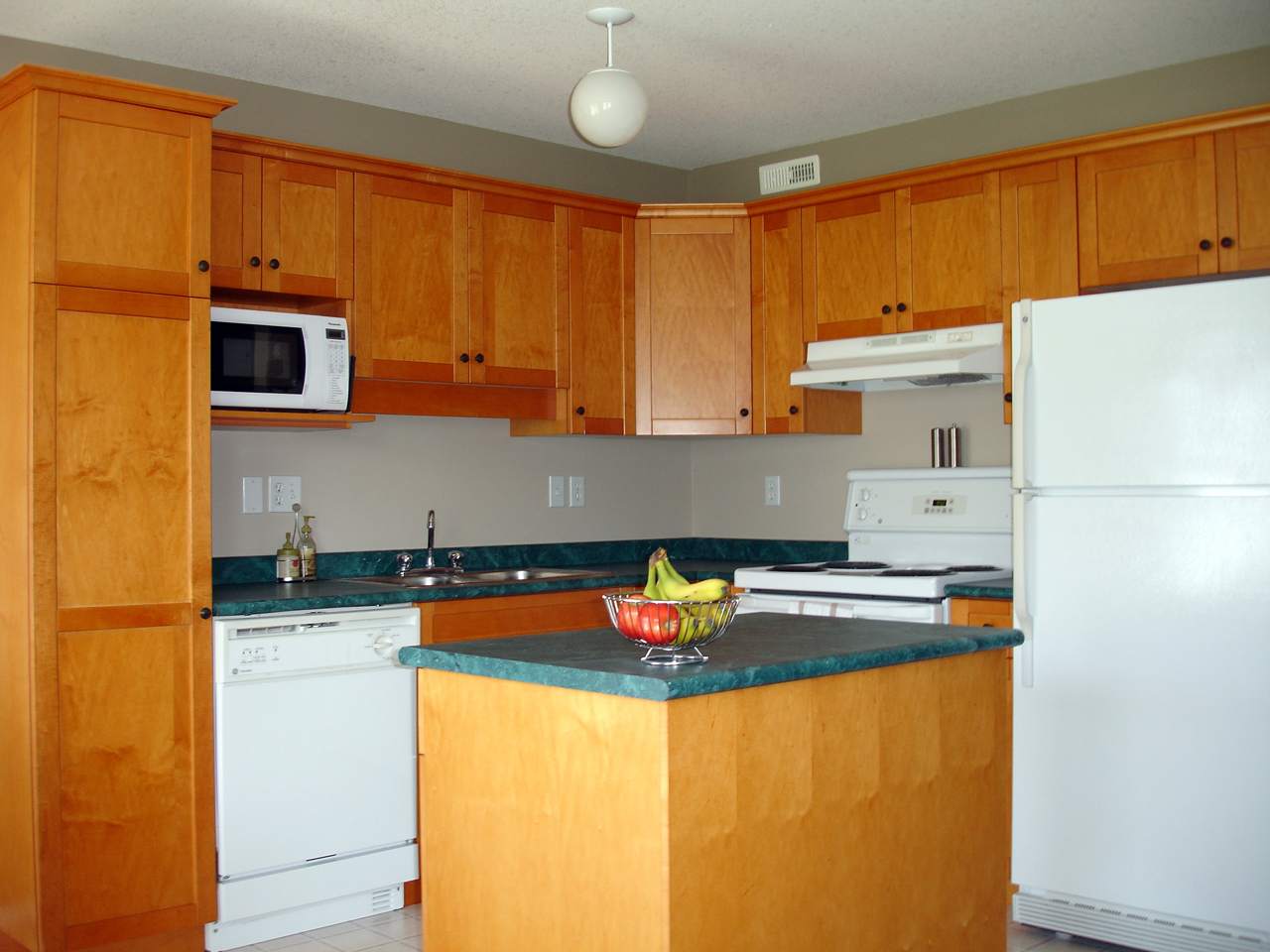
The centre of a kitchen can hold an island or a table, and the choice shapes how the room works. An island is a working surface; a table is a place to sit. Many British kitchens try to have both, but in most rooms one does the job better.
Where to buy
Browse current options and prices at the retailer. These are affiliate links: we may earn a commission, at no cost to you (disclosure).
Side by side
| Kitchen island | Farmhouse table | |
|---|---|---|
| Main job | Extra worktop, storage, sometimes a hob or sink | Eating, homework, gathering |
| Seating | Stools on one side, perched | Chairs all round, relaxed |
| Flexibility | Fixed in place | Can move, extend or be replaced |
| Services | May need plumbing and power | None |
| Style | Modern or Shaker, matches the units | Traditional, collected, cottage |
How much space do you need?
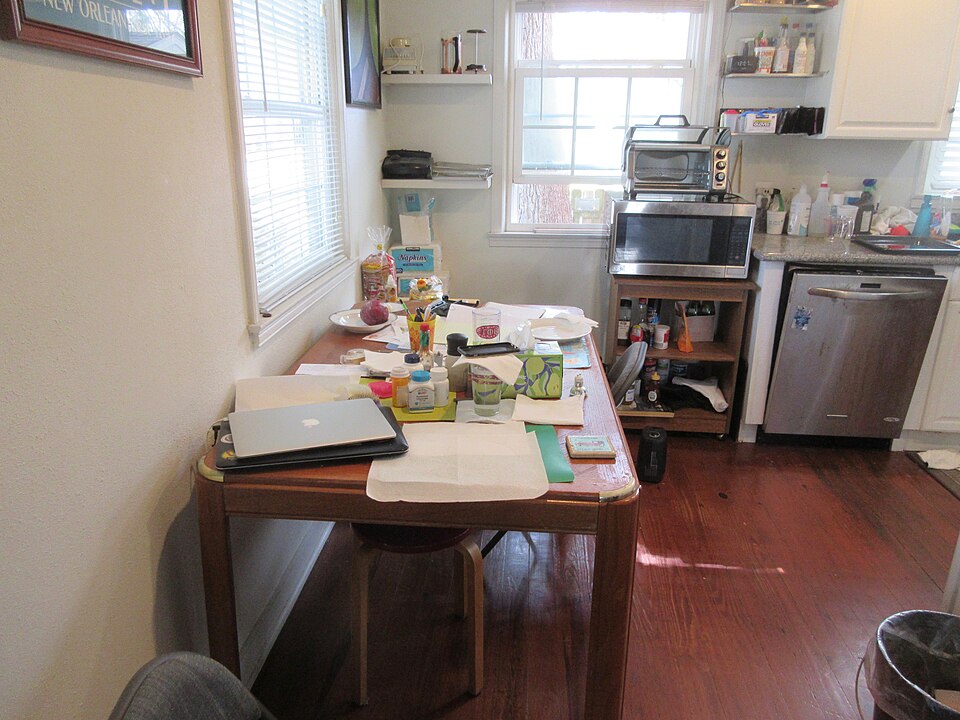
An island needs clear walkways on every side, and roughly a metre is a common guide, more where two people cook at once or a dishwasher door opens. A table needs room to pull chairs out as well. Mark the footprint on the floor with tape and walk round it before you commit.
The best of both
- A table-height island at one end, with chairs, works like a table that doubles as worktop.
- A narrow island plus a small round table in a bay or corner suits long kitchens.
- A butcher's block on legs gives a free-standing, movable work surface with a traditional look.
Lighting
Both need good light over the surface. See lighting a traditional kitchen.
BeneRecipes may earn a commission from retailer links on this page, at no extra cost to you. Product suggestions are based on published specifications, not hands-on testing. How we work.