Kitchen design
Lighting a Traditional Kitchen
Layering pendants, task and ambient light so a traditional kitchen is practical to cook in and warm to sit in.
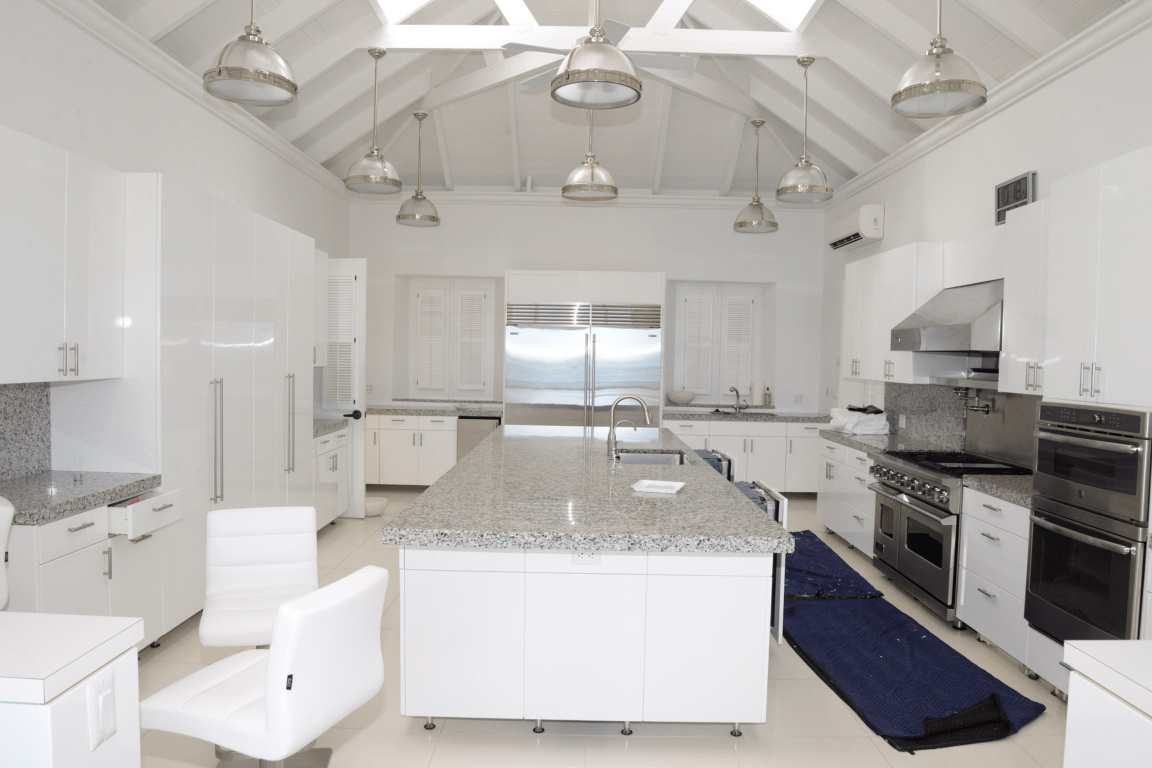
A kitchen needs two kinds of light: bright, shadow-free light for chopping and cooking, and softer light for eating and sitting. The best traditional kitchens use several layers of light rather than one bright ceiling fitting.
Where to buy
Browse current options and prices at the retailer. These are affiliate links: we may earn a commission, at no cost to you (disclosure).
Three layers
| Layer | What it does | Traditional-style options |
|---|---|---|
| Ambient | General light for the room | Ceiling lights, a large pendant or lantern |
| Task | Bright light where you work | Under-cabinet strips, pendants over an island, a light over the sink |
| Accent | Atmosphere | Wall lights, lighting inside a glazed dresser or on open shelves |
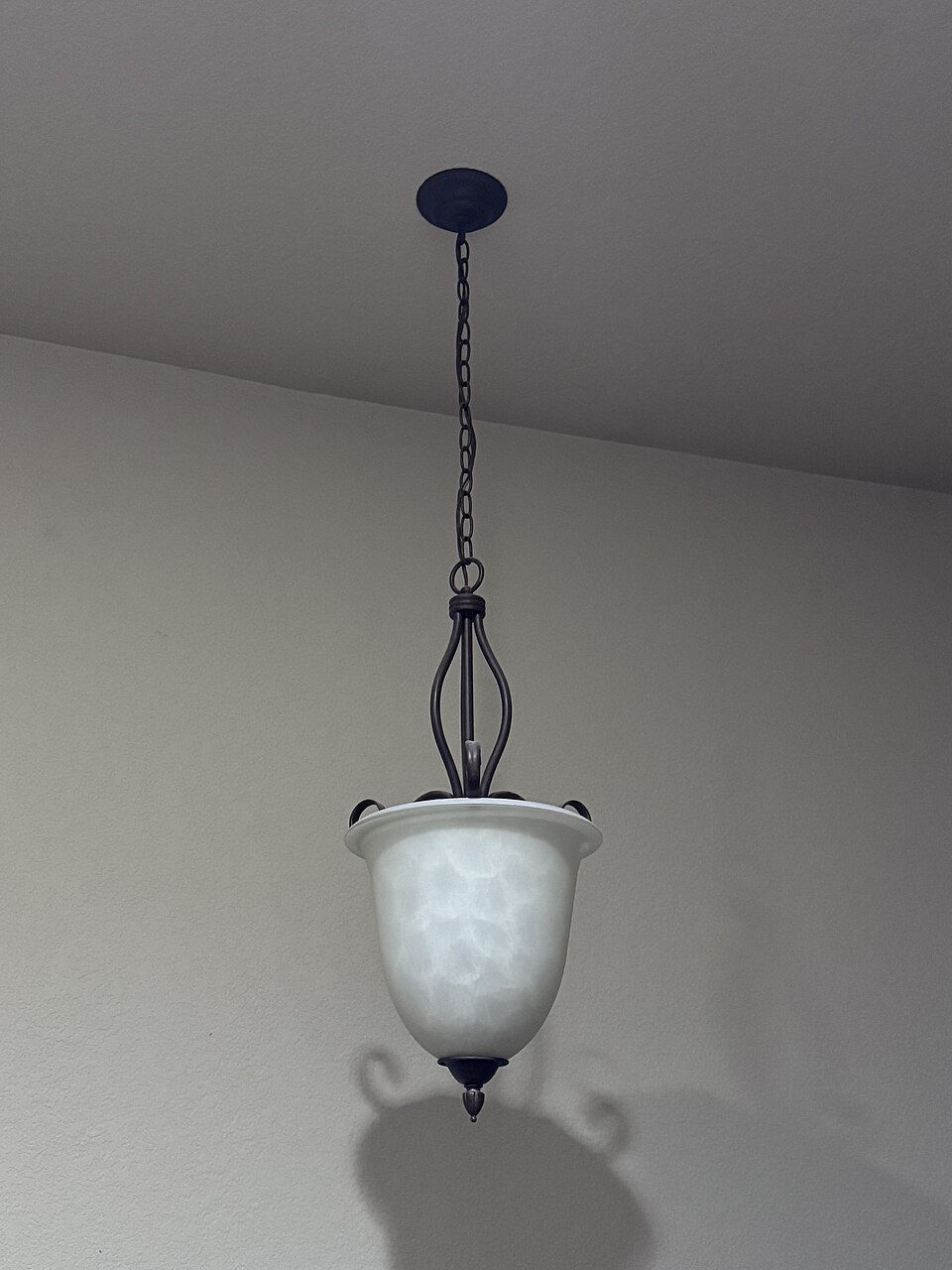
Pendants over an island or table
- Hang pendants low enough to light the surface, but high enough not to block the view across the room. Check the manufacturer's guidance and your sight lines before fixing the height.
- Use two or three smaller pendants over a long island rather than one large one.
- Enamel, glass and metal "school-house" shades suit traditional kitchens.
Colour of light
Warm white bulbs (around 2700–3000K) give the cosy glow that suits traditional kitchens; cooler, whiter light is useful for task areas. Dimmers on pendants and wall lights let one kitchen do both jobs.
Safety
Kitchen lighting circuits, especially near sinks, should be installed by a qualified electrician.
BeneRecipes may earn a commission from retailer links on this page, at no extra cost to you. Product suggestions are based on published specifications, not hands-on testing. How we work.