Kitchen design
Kitchen Taps: Bridge, Pillar or Mixer?
The main styles of kitchen tap, which suit a traditional sink, and the practical details to check.
By NiamhAI-assistedApproved for publication by BeneRecipes Editor on 25 September 2026Updated 23 September 2026
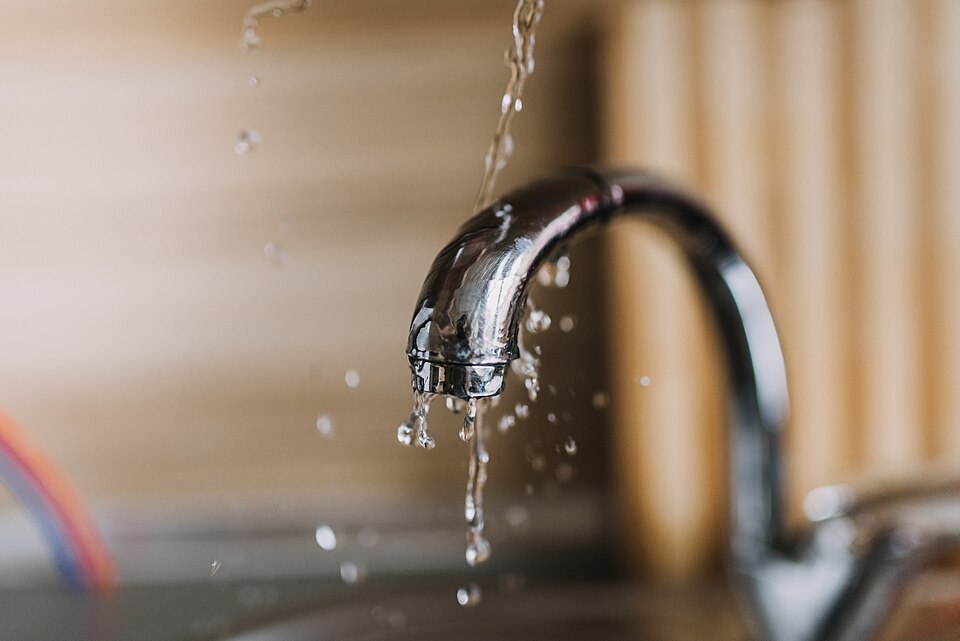
The tap is used more than anything else in the kitchen, and on a traditional ceramic sink it is also one of the most visible details. The style needs to suit the sink as well as the way you work.
Where to buy
Browse current options and prices at the retailer. These are affiliate links: we may earn a commission, at no cost to you (disclosure).
Styles
| Style | What it is | Best with |
|---|---|---|
| Bridge tap | Hot and cold handles joined by a bar, with one central spout | Belfast and butler sinks; traditional kitchens |
| Pillar taps | Separate hot and cold taps | Period kitchens, utility rooms |
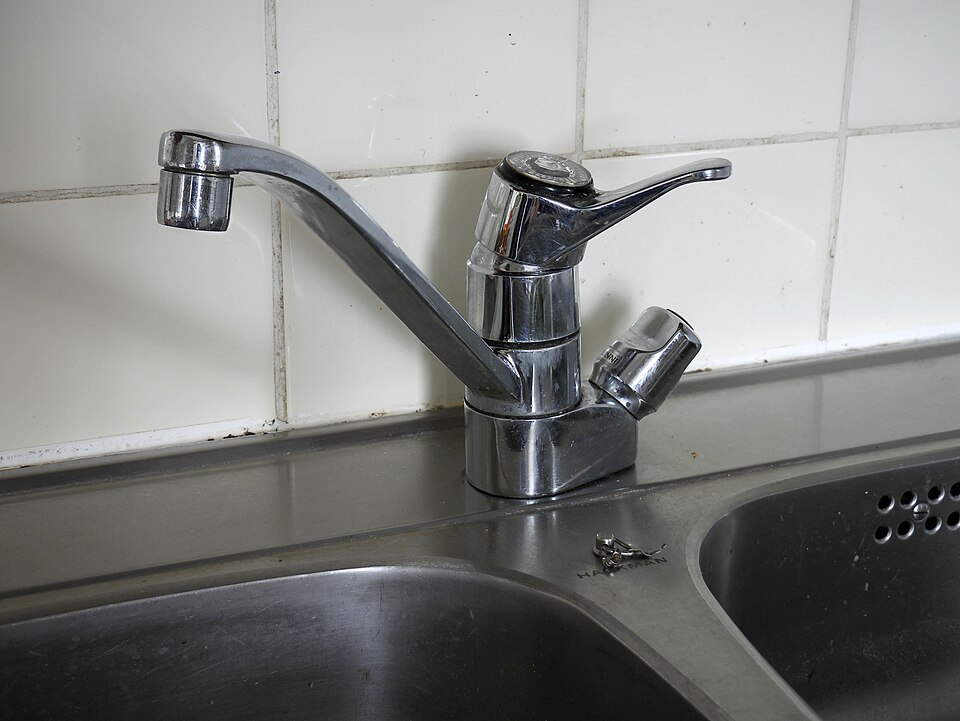
| Mono / mixer tap | One spout; hot and cold mixed by one or two handles | Most modern and Shaker kitchens |
| Pull-out spray | Mixer with a hose spout | Busy kitchens, washing large pans |
What to check
- Water pressure. Some taps need a minimum pressure to work well; check the product's specification against your system.
- Spout reach and height. The water should land in the middle of the sink, with room to fill a large pan.
- Mounting. Ceramic sinks usually have no tap holes, so the tap goes on the worktop (or the wall) behind the sink.
- Finish. Chrome is hard-wearing; brass and nickel look traditional; some "living" finishes are meant to age.
Plumbing work, especially changes to pipework, is best done by a qualified plumber.
BeneRecipes may earn a commission from retailer links on this page, at no extra cost to you. Product suggestions are based on published specifications, not hands-on testing. How we work.