Kitchen design
In-Frame Kitchens Explained: Is the Look Worth the Cost?
What makes a kitchen "in-frame", how it differs from standard units, and the pros and cons before you buy.
Ad: this guide contains affiliate links. If you buy through them we may earn a commission, at no extra cost to you (how we make money).

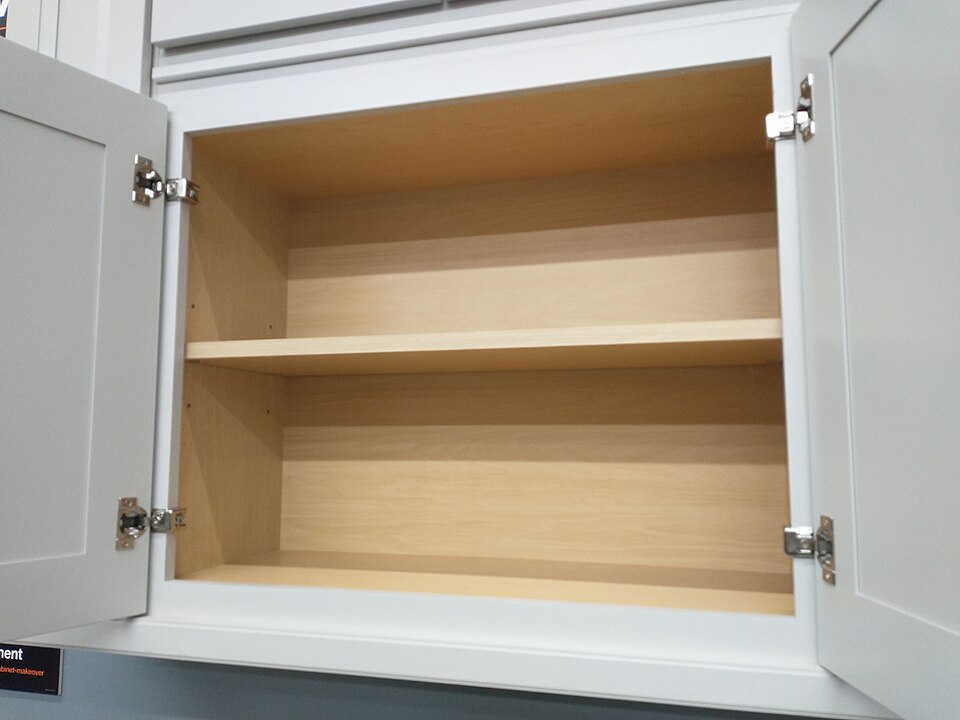
In an in-frame kitchen, each cupboard door sits inside a solid frame that surrounds the opening, rather than covering the front of the carcass. It is the traditional way furniture makers built cupboards, and it gives a crafted, furniture-like look.
Where to buy
Browse current options and prices at the retailer. These are affiliate links: we may earn a commission, at no cost to you (disclosure).
In-frame vs standard units
| In-frame | Standard (lay-on) | |
|---|---|---|
| Doors | Sit flush inside a frame | Cover the front of the cabinet |
| Look | Traditional, furniture-like | Clean, continuous fronts |
| Storage space | Slightly less: the frame narrows the opening | Slightly more |
| Hinges | Often visible butt or cabinet hinges | Concealed hinges |
| Cost | Higher: more joinery and precise fitting | Lower |
Things to know
- Precision matters: flush doors show every uneven gap, so fitting takes longer.
- Wood moves: solid timber doors can swell slightly in damp weather; good makers allow for it.
- Painted finishes suit in-frame best. See heritage kitchen colours and painting kitchen cabinets.
A cheaper route to the look
Shaker-style lay-on doors give a similar feel for less: read our Shaker kitchen guide.
BeneRecipes may earn a commission from retailer links on this page, at no extra cost to you. Product suggestions are based on published specifications, not hands-on testing. How we work.
Frequently asked questions
Why are in-frame kitchens more expensive?
They involve more joinery: each frame is made and fitted around the cabinet, and doors must be fitted precisely inside it with even gaps.
Do in-frame kitchens have less storage?
A little. The frame narrows each opening and drawer slightly compared with a lay-on door.
What is the difference between in-frame and Shaker?
Shaker describes the door style (a flat panel inside a simple frame); in-frame describes how the door is fitted. A Shaker door can be in-frame or lay-on.