Kitchen design
Copper Pans in the Kitchen: Cooking, Display and Care
Why cooks love copper, what to know about lined pans, and how to display and clean a copper collection.
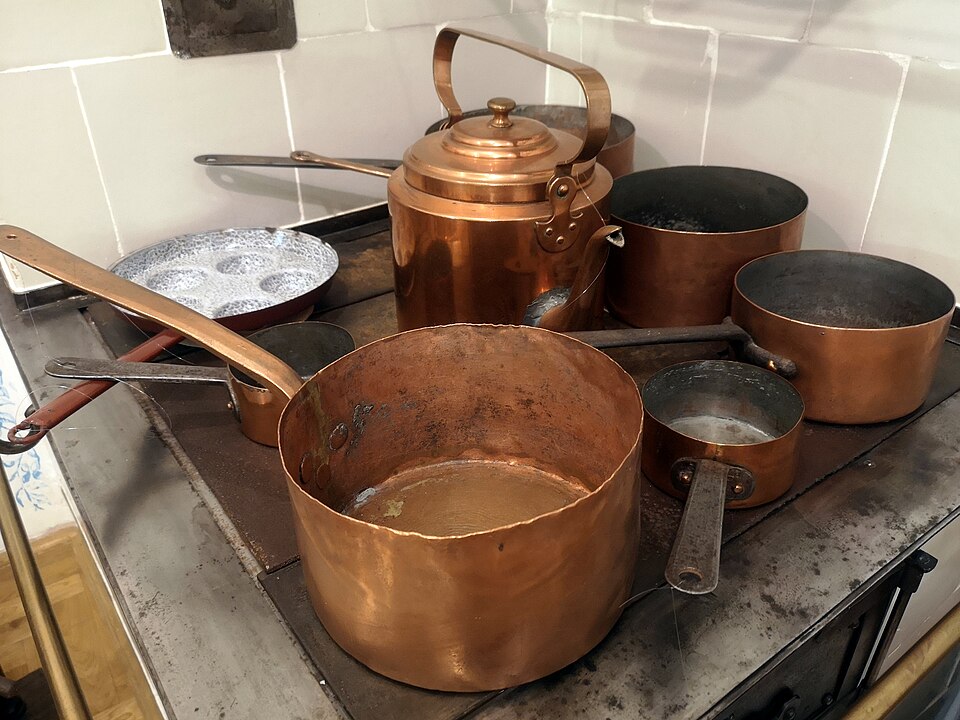
A row of copper pans is one of the great sights of a traditional kitchen, and it is not just decoration. Copper heats quickly and evenly and responds fast when you turn the heat down, which is why it has long been prized for sauces and sugar work.
Where to buy
Browse current options and prices at the retailer. These are affiliate links: we may earn a commission, at no cost to you (disclosure).
Lined or unlined?
Copper reacts with acidic food, so pans for everyday cooking are lined, traditionally with tin, today often with stainless steel. Tin linings wear over time and can be re-tinned by specialists. Unlined copper is used for particular jobs such as whisking egg whites or jam-making; follow the maker's guidance for what it can be used for.
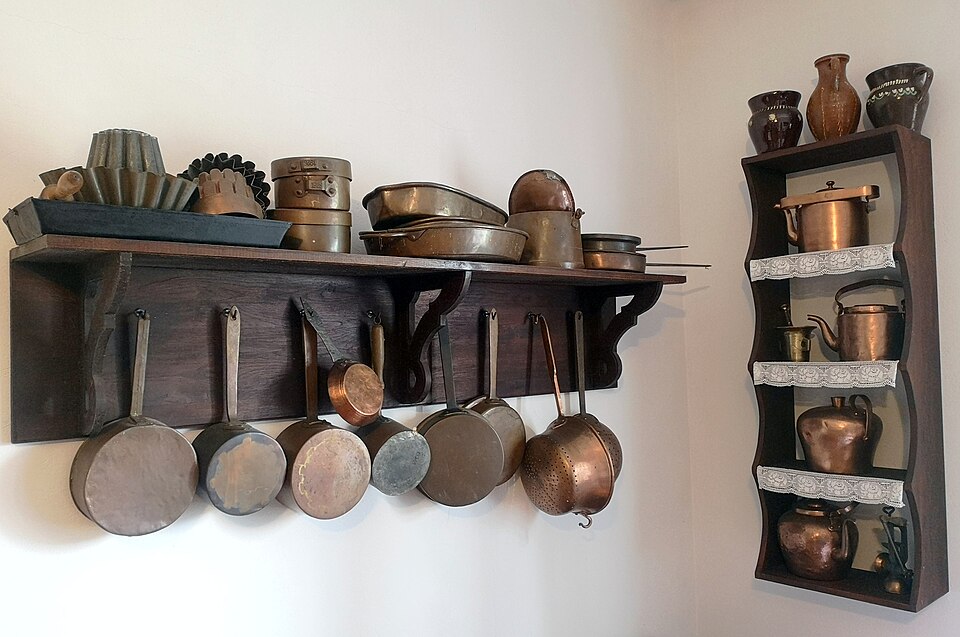
Displaying copper
- A hanging rail or rack above the range or on a wall keeps pans in reach and shows them off.
- Hang by size, largest to smallest, for an ordered look.
- Keep display pans away from steam and grease if you don't want to polish them often.
Care
- Wash by hand in warm soapy water and dry at once; most copper is not dishwasher-safe.
- Polish with a copper cleaner, or a paste of lemon juice and salt, to bring back the shine, or leave it to develop a warm patina.
- Never heat an empty tin-lined pan: tin melts at a relatively low temperature.
BeneRecipes may earn a commission from retailer links on this page, at no extra cost to you. Product suggestions are based on published specifications, not hands-on testing. How we work.