Kitchen design
Bread Bins: Which Type Keeps Bread Fresh?
Wood, enamel, ceramic or steel: how bread bins work, which suits your bread, and where to keep one.
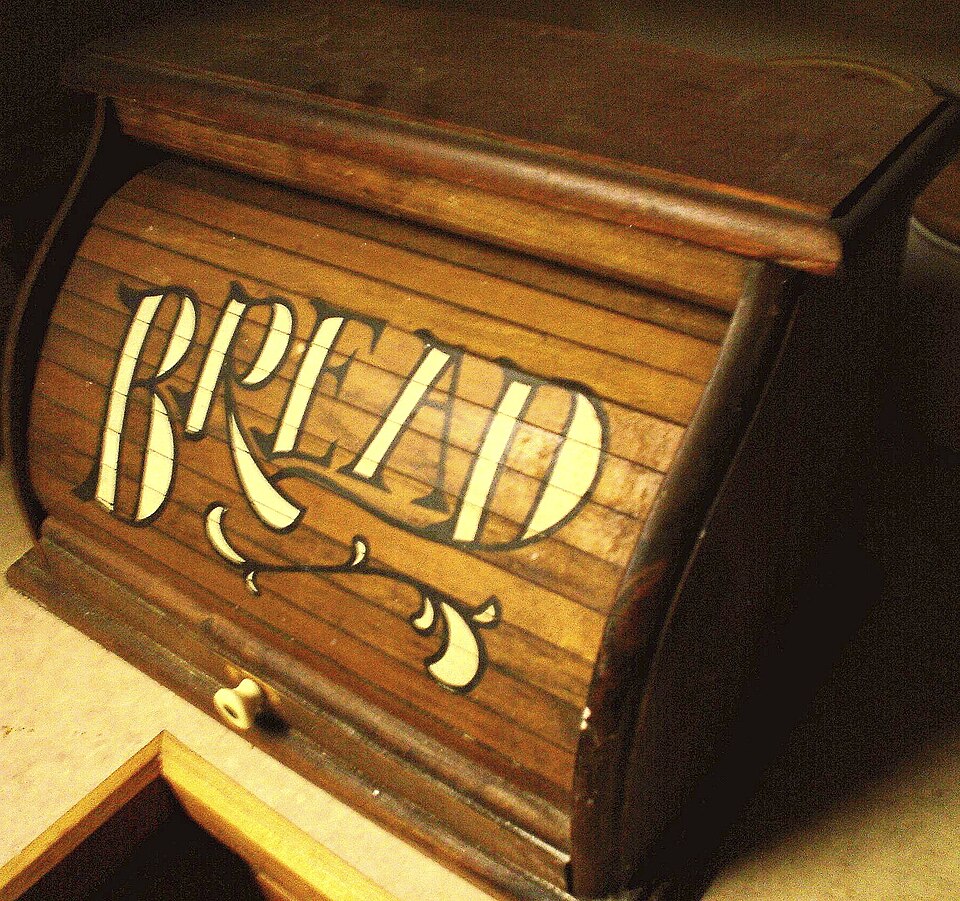
A bread bin keeps bread in a slightly humid, dark space: humid enough that the crumb stays soft, ventilated enough that the crust doesn't turn soggy or mould quickly. It is also, in many British kitchens, a bit of a design statement.
Where to buy
Browse current options and prices at the retailer. These are affiliate links: we may earn a commission, at no cost to you (disclosure).
Materials
| Material | How it behaves | Suits |
|---|---|---|
| Wood | Absorbs some moisture; often has vents | Crusty and homemade bread |
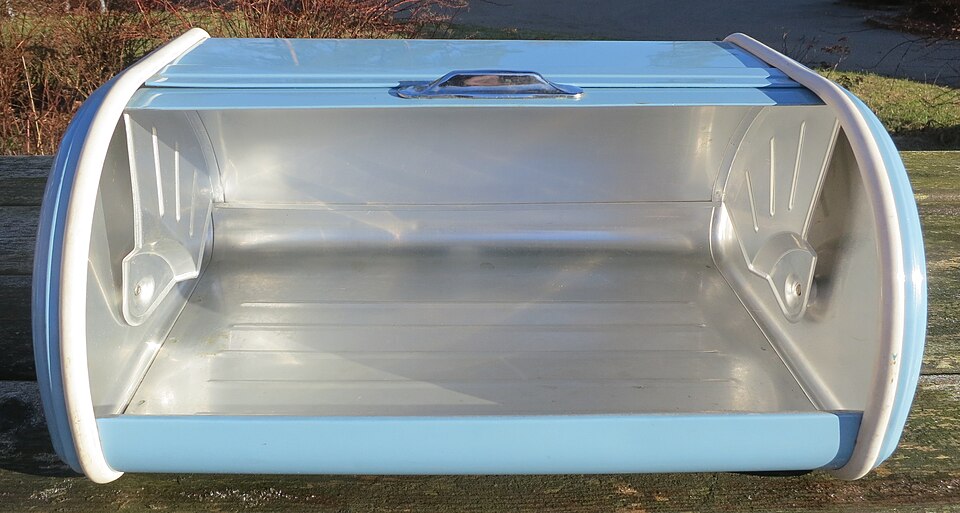
| Enamel / steel | Holds moisture in; wipe-clean | Soft sandwich loaves |
| Ceramic crock | Stays cool and steady | Traditional kitchens, homemade loaves |
| Roll-top | Saves worktop space in front | Small kitchens |
Getting the best from it
- Size it to your loaf. A bin that is too big dries bread out; one that is too small squashes it.
- Keep it away from the cooker and out of direct sun.
- Clean it weekly: empty the crumbs and wipe it dry to prevent mould.
- Don't refrigerate bread: it goes stale faster in the fridge. Freeze what you won't eat in a few days.
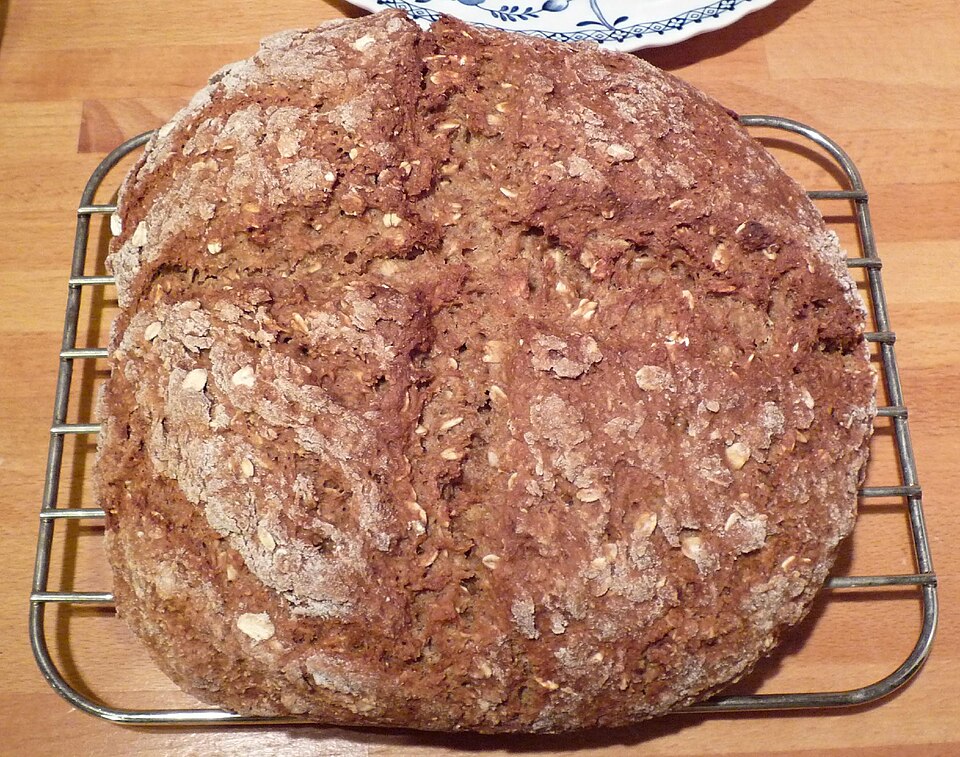
Homemade breads such as soda bread keep best wrapped in a clean tea towel inside the bin.
BeneRecipes may earn a commission from retailer links on this page, at no extra cost to you. Product suggestions are based on published specifications, not hands-on testing. How we work.